Elven Council
Commander (1)
 ×1
Creature (25)
 ×1
 ×1
 ×1
 ×1
 ×1
 ×1
 ×1
 ×1
 ×1
 ×1
 ×1
 ×1
 ×1
 ×1
 ×1
 ×1
 ×1
 ×1
 ×1
 ×1
 ×1
 ×1
 ×1
 ×1
 ×1
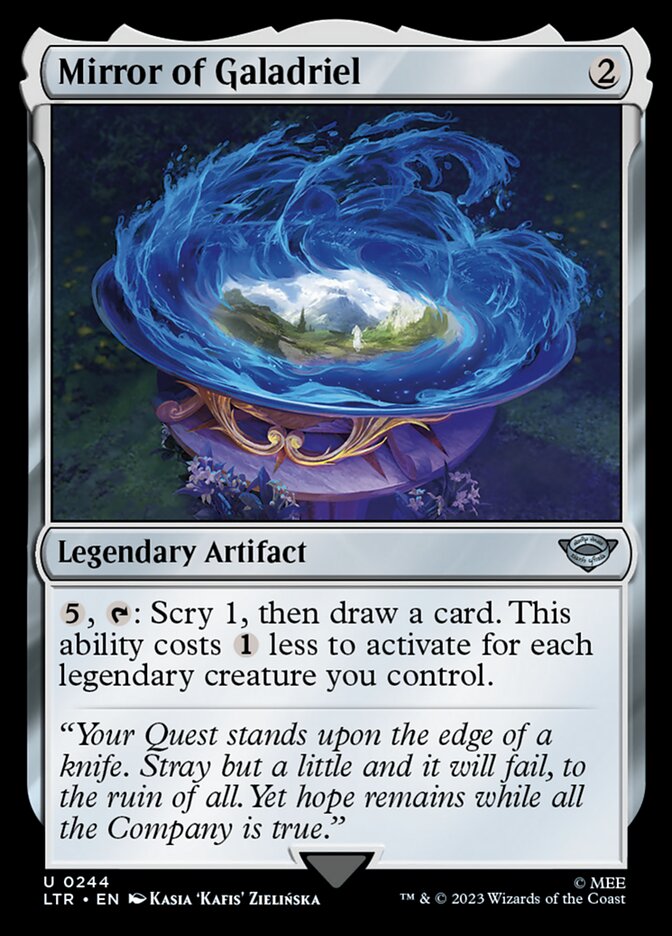
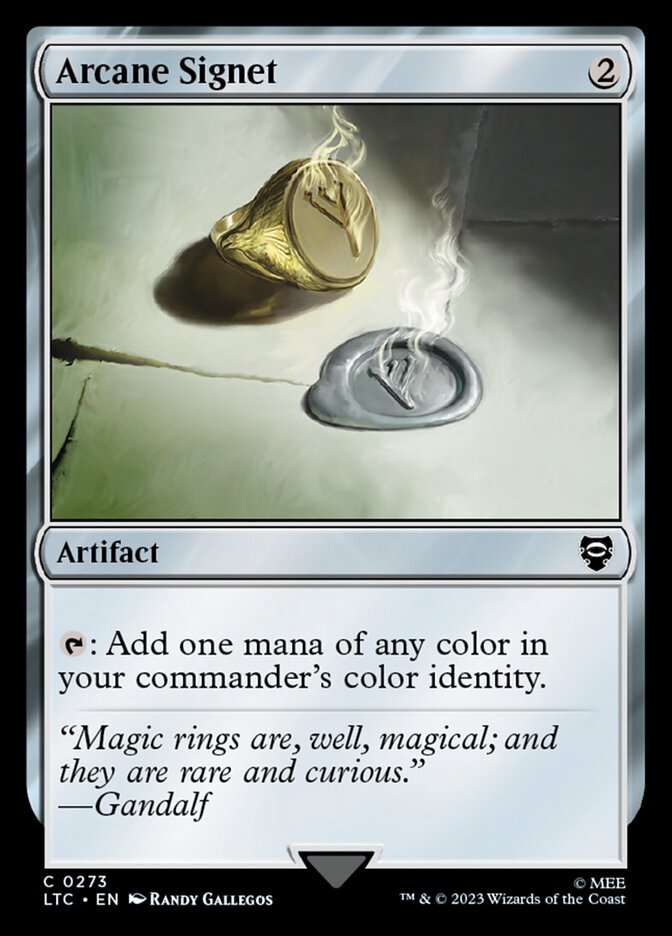
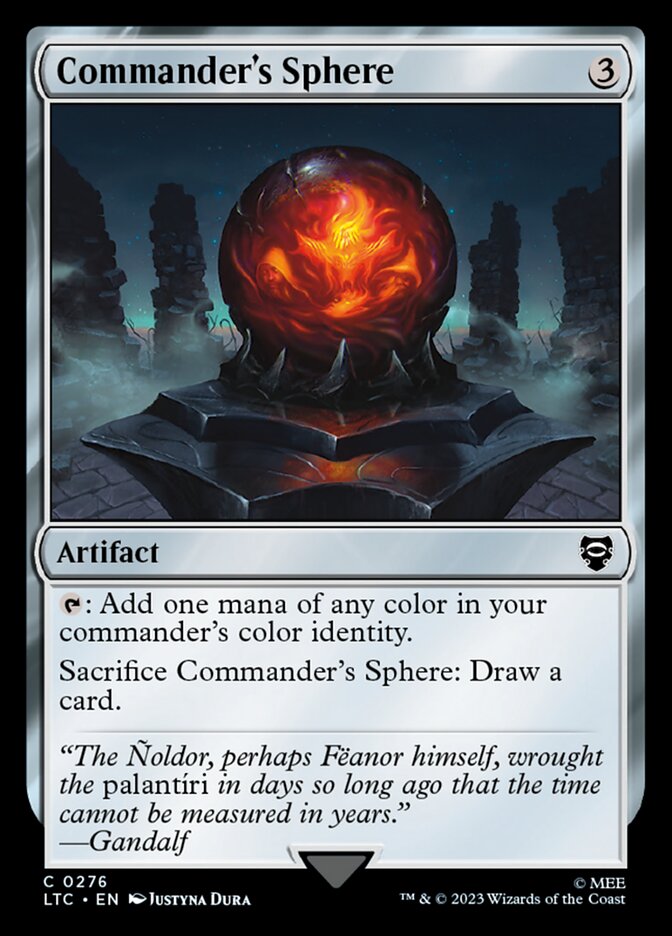
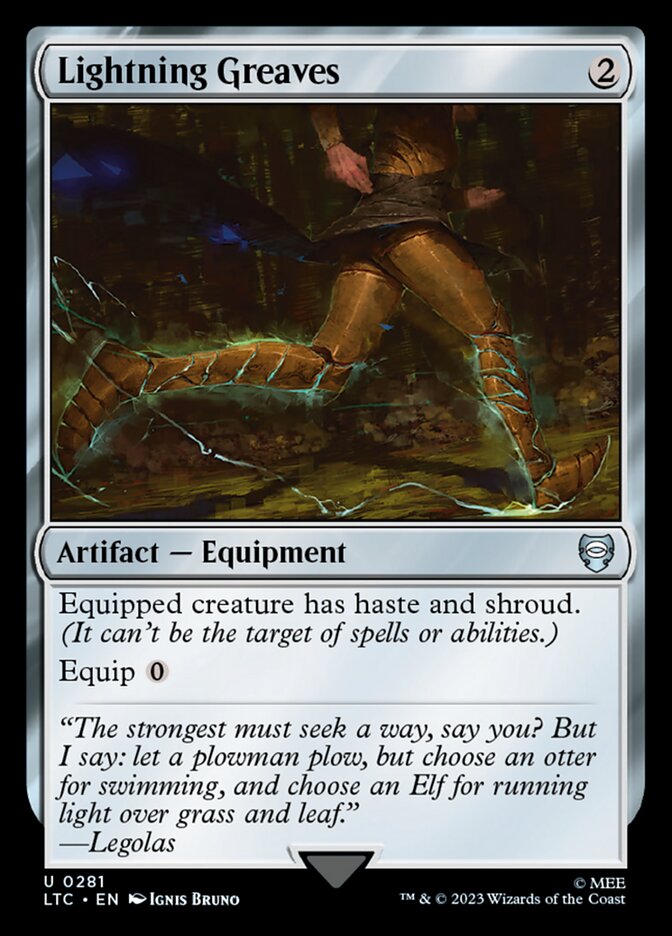
Artifact (8)
 ×1
 ×1
 ×1
 ×1
 ×1
 ×1
 ×1
 ×1
Enchantment (3)
 ×1
 ×1
 ×1
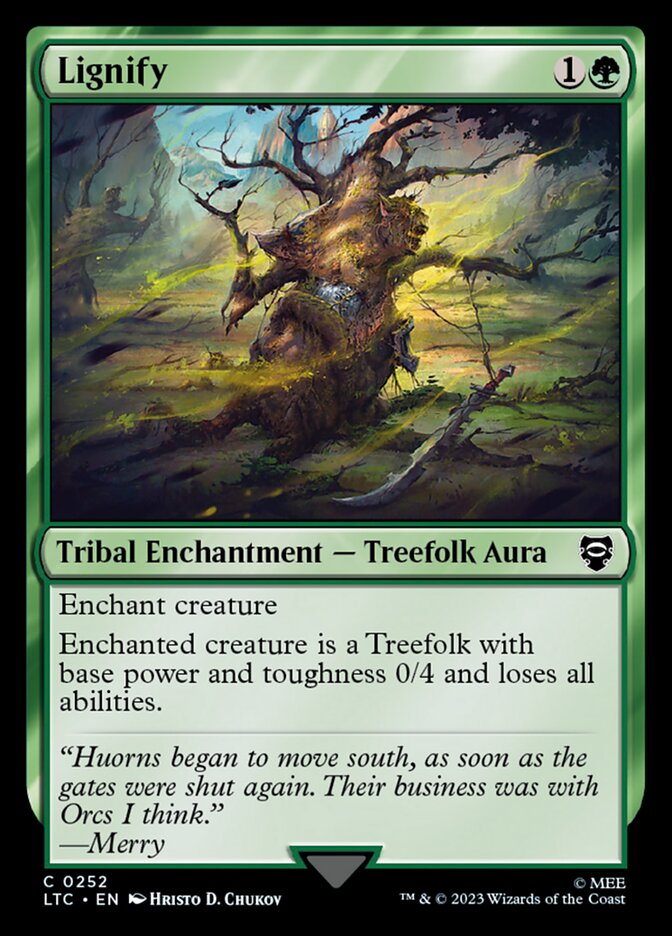
Instant (12)
 ×1
 ×1
 ×1
 ×1
 ×1
 ×1
 ×1
 ×1
 ×1
 ×1
 ×1
 ×1
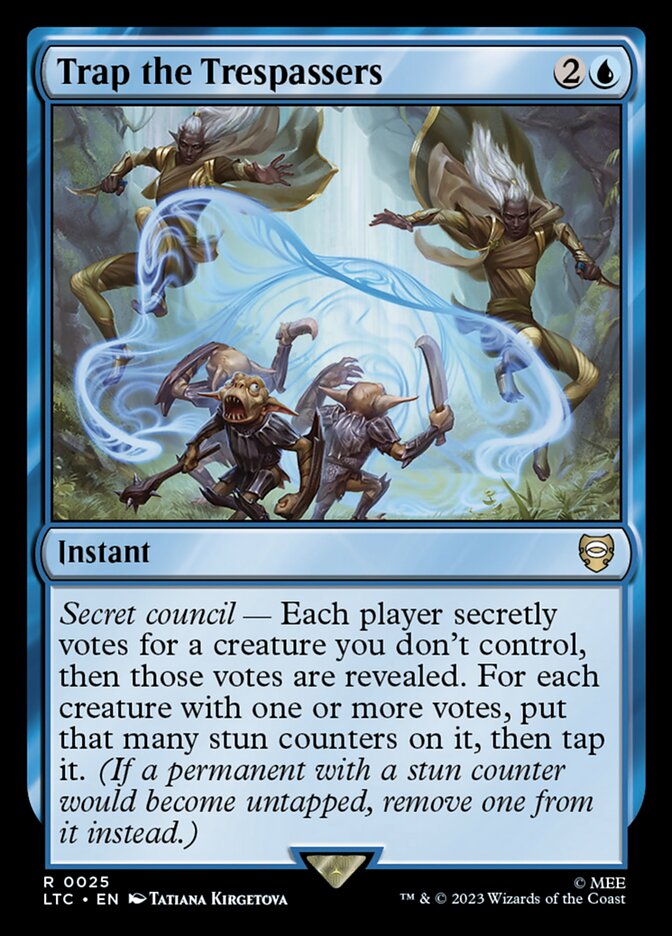
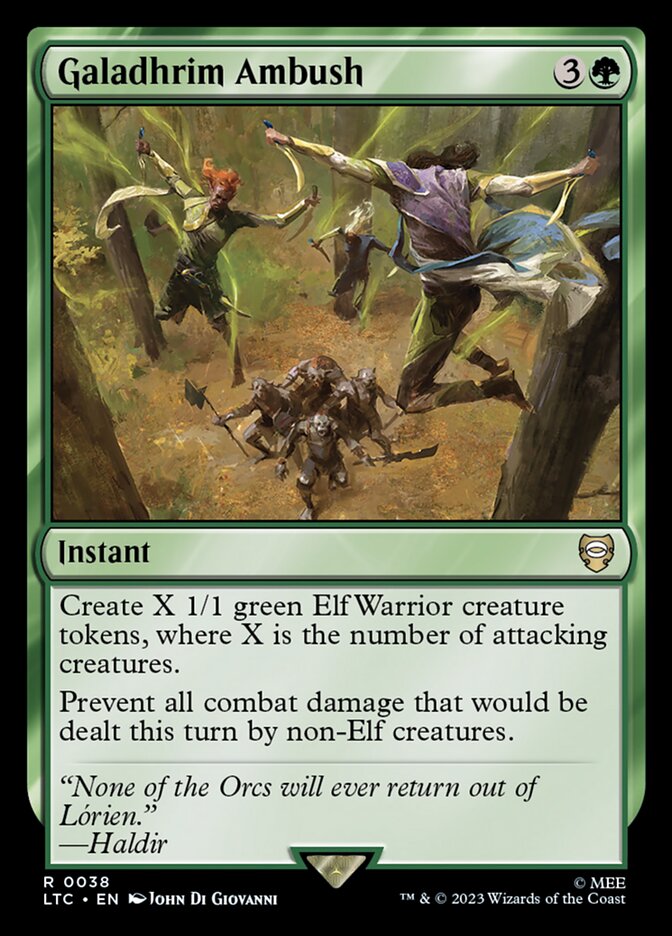
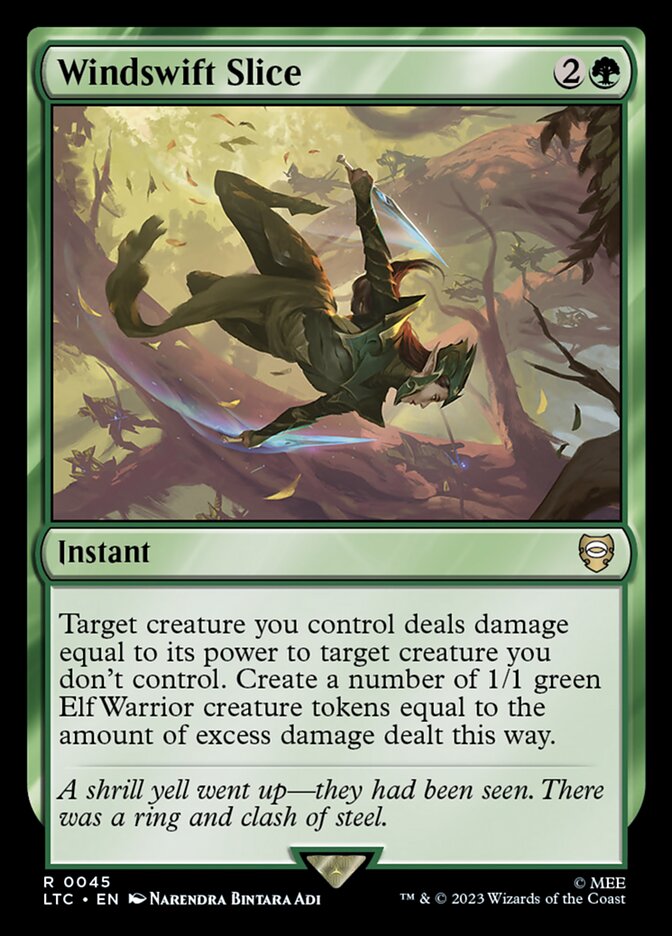
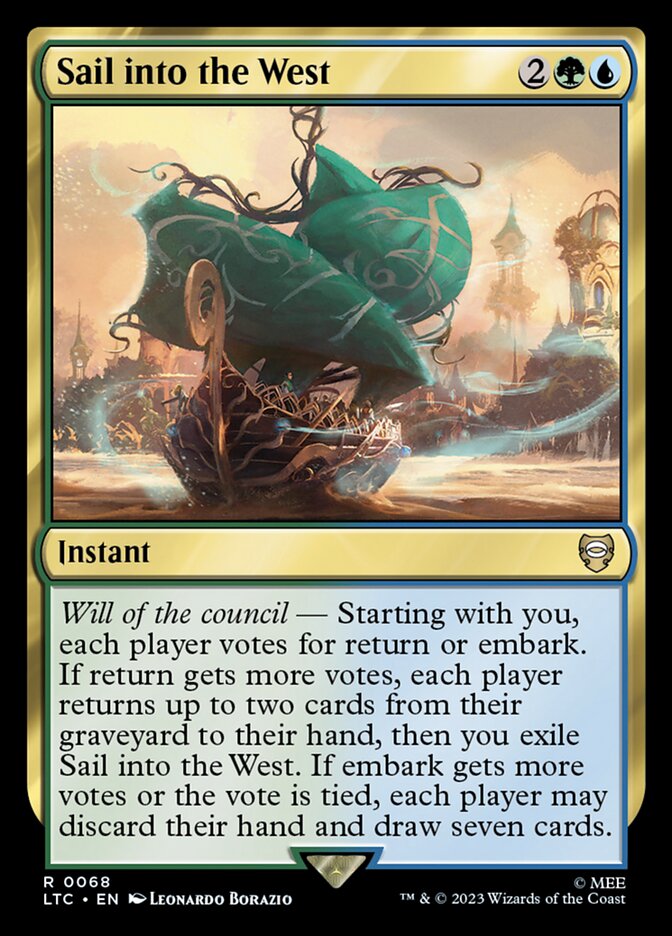
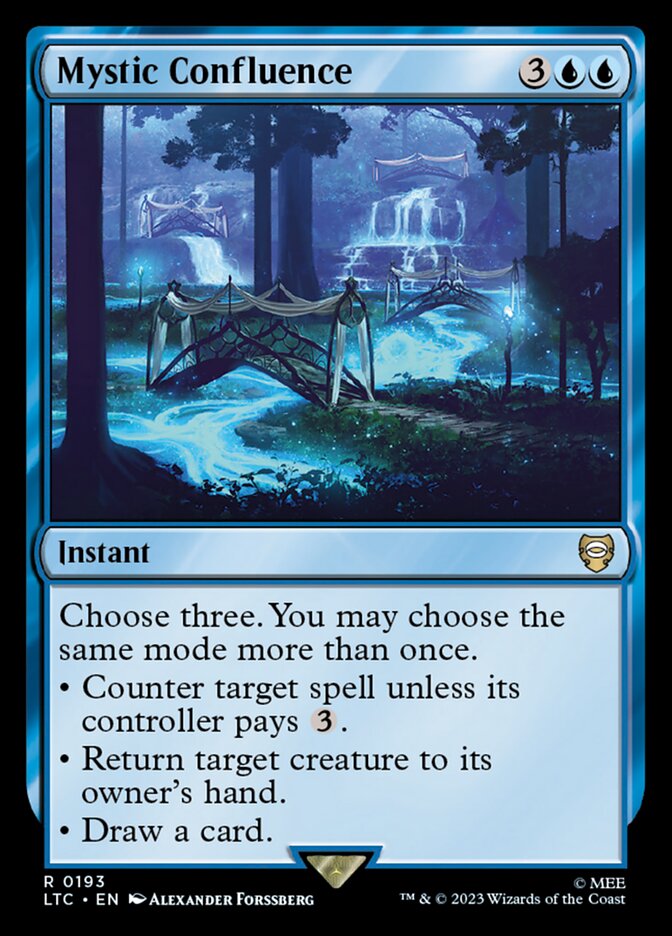
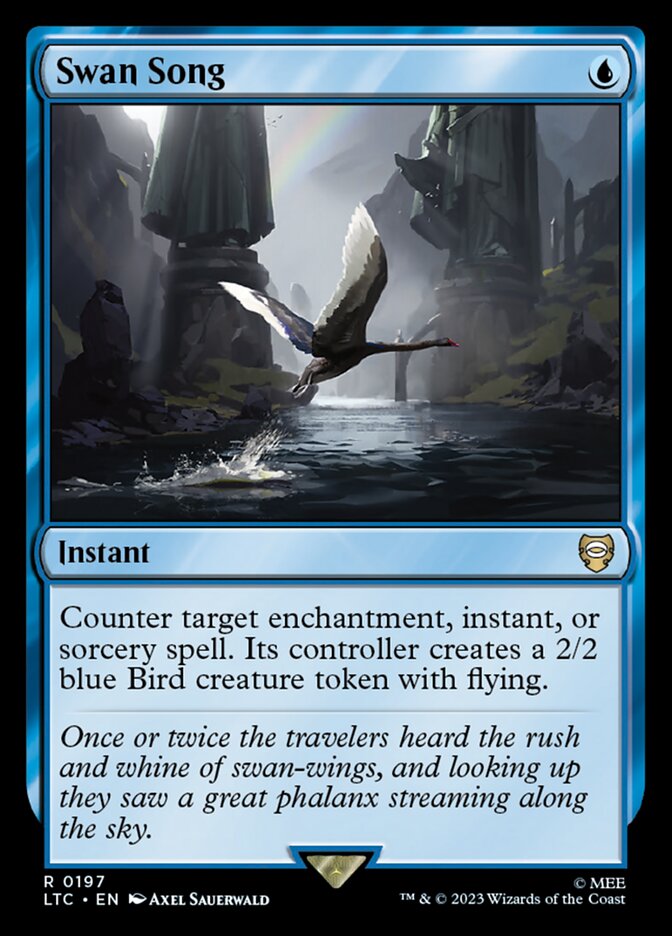
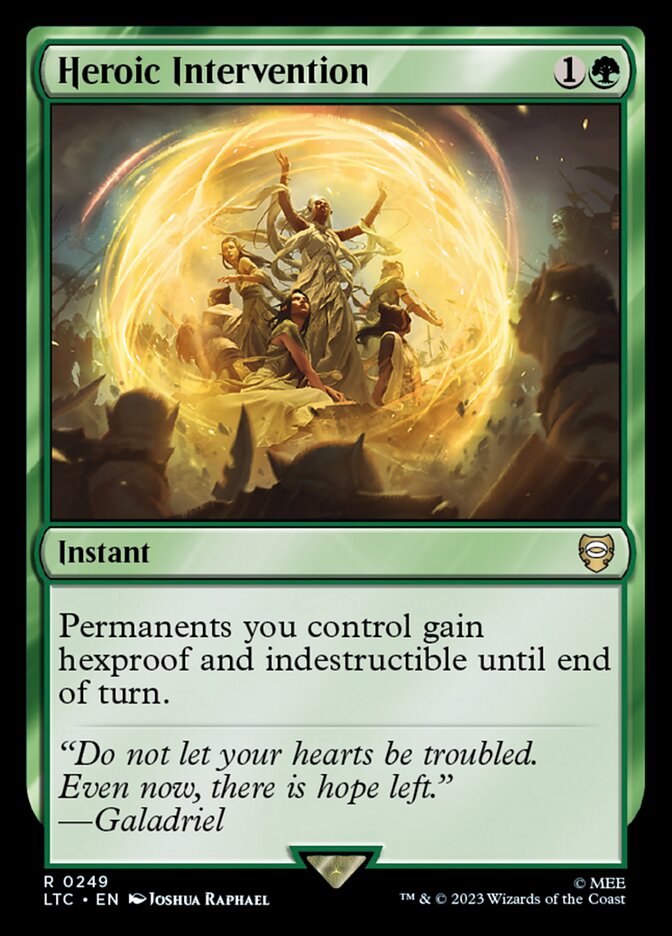
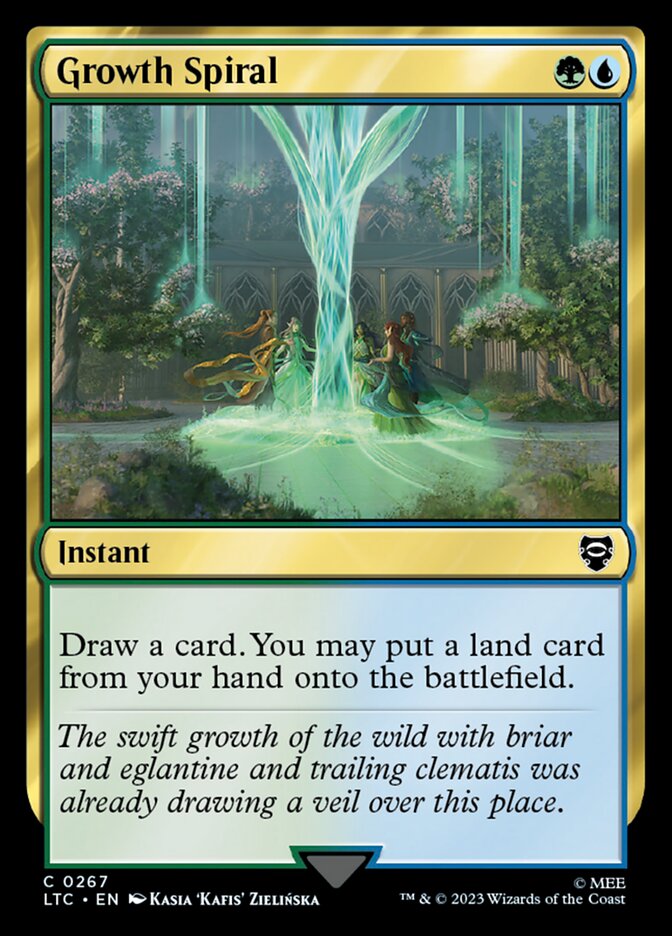
Sorcery (13)
 ×1
 ×1
 ×1
 ×1
 ×1
 ×1
 ×1
 ×1
 ×1
 ×1
 ×1
 ×1
 ×1
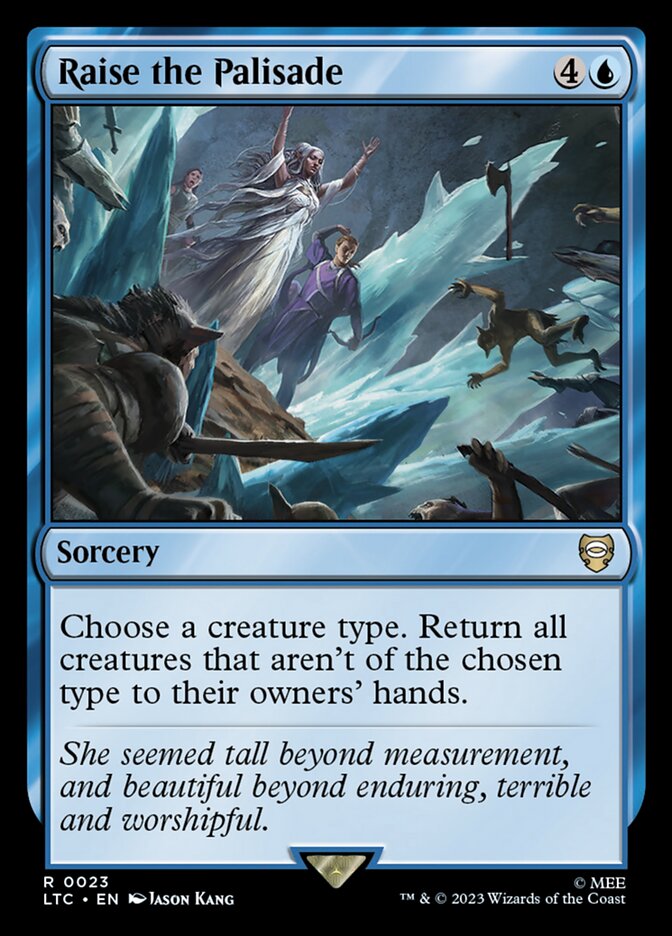
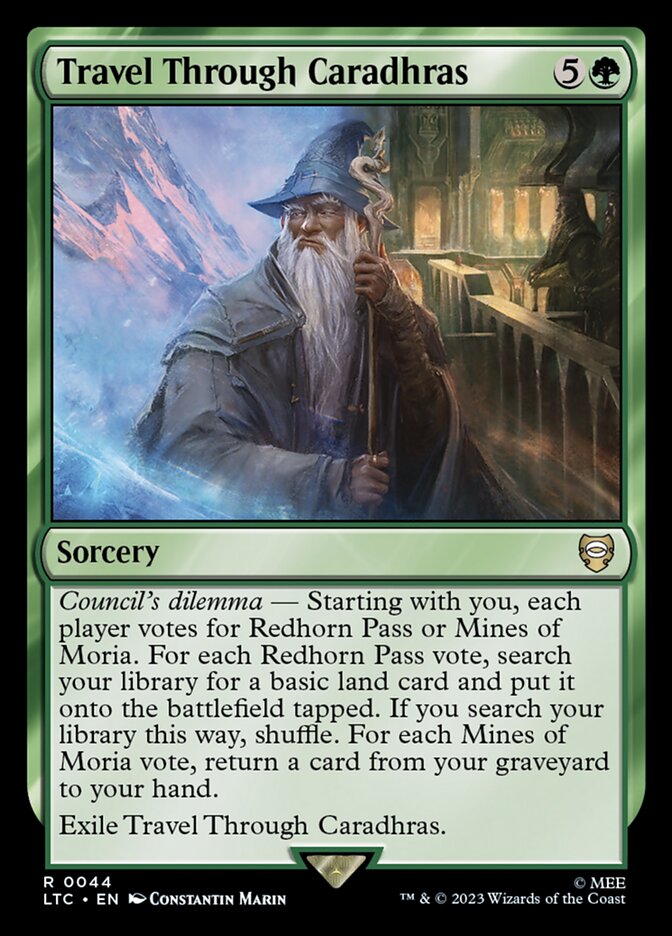
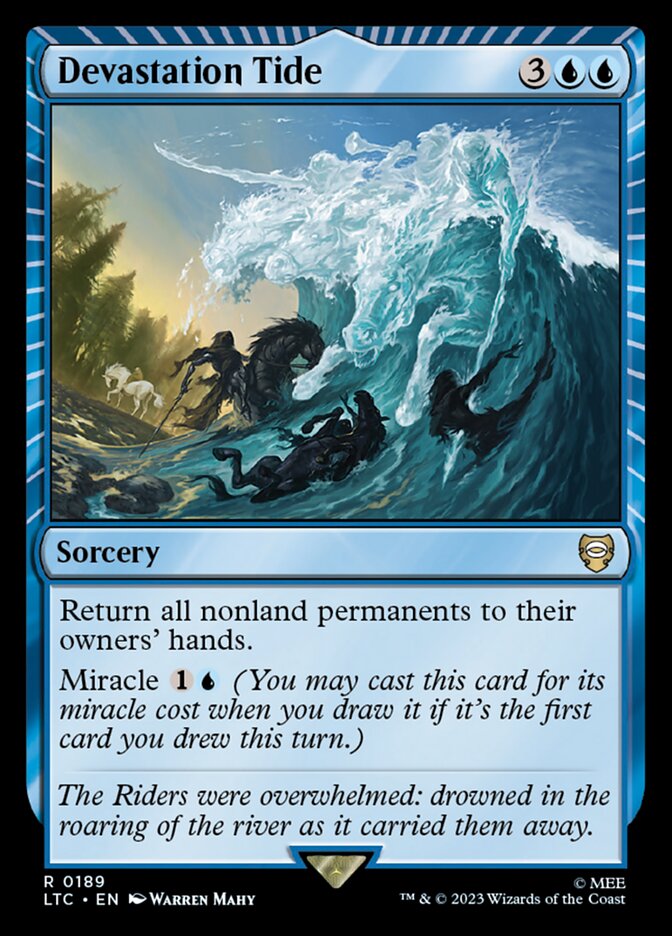
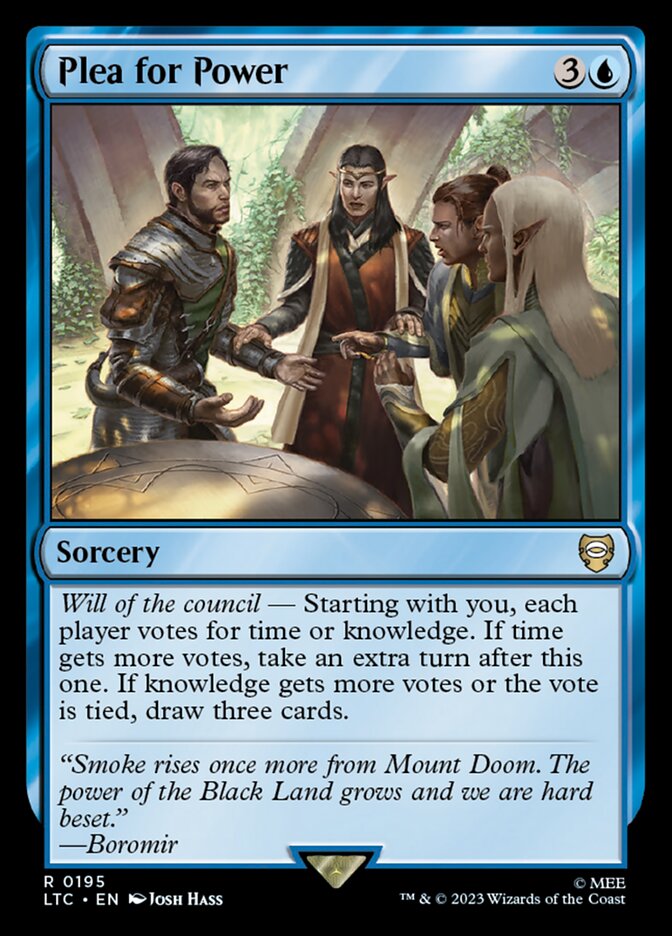
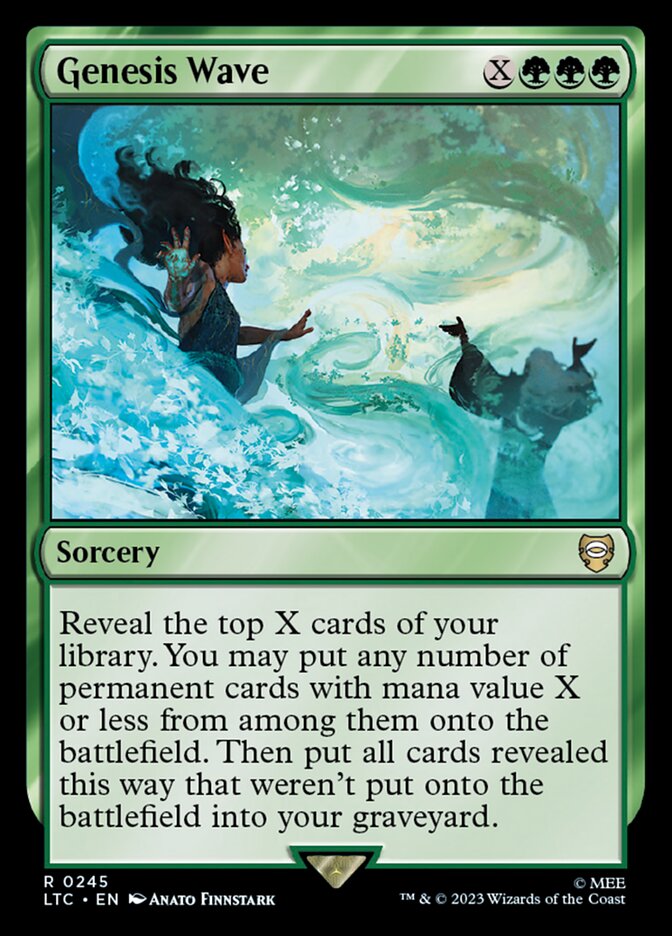
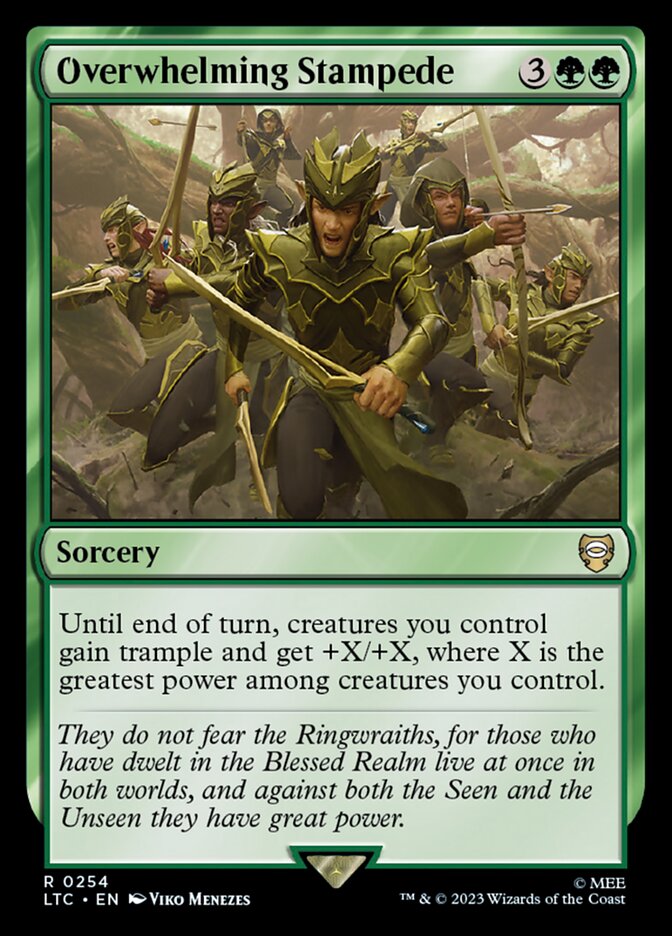
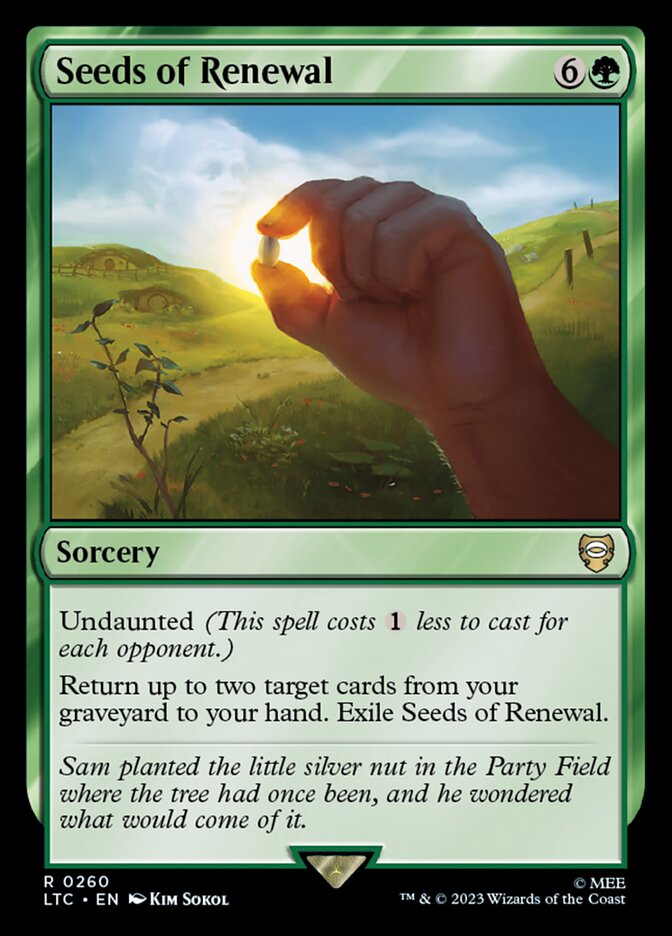
Land (38)
 ×1
 ×1
 ×1
 ×1
 ×1
 ×1
 ×1
 ×1
 ×1
 ×1
 ×1
 ×1
 ×6
 ×5
 ×8
 ×7
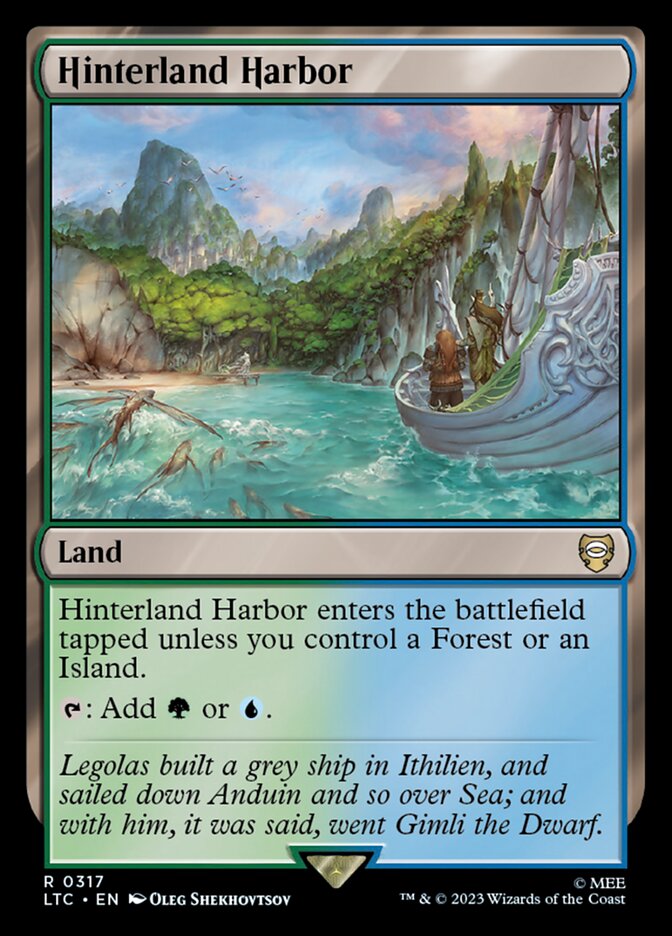
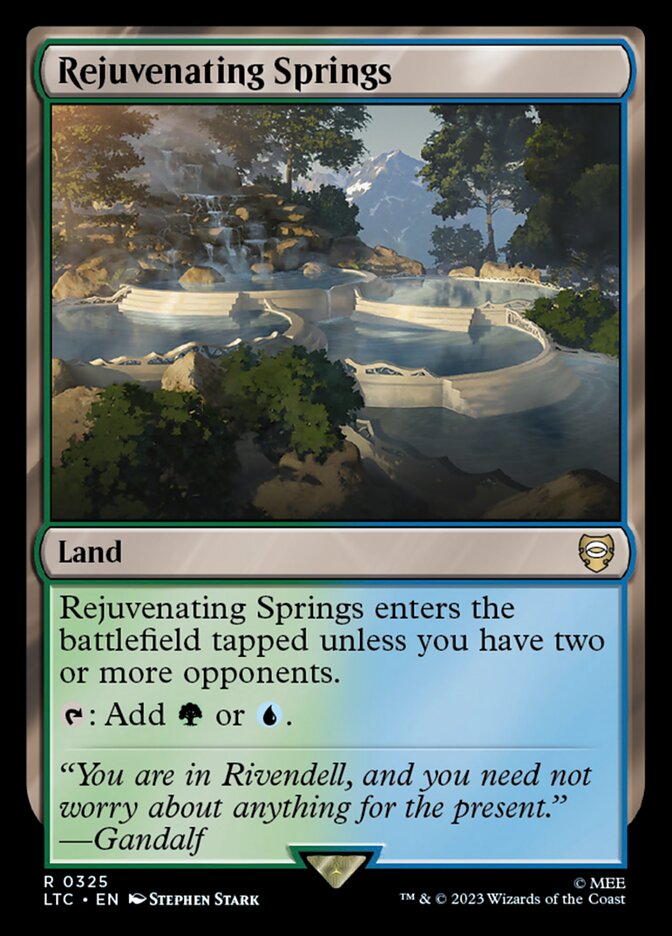
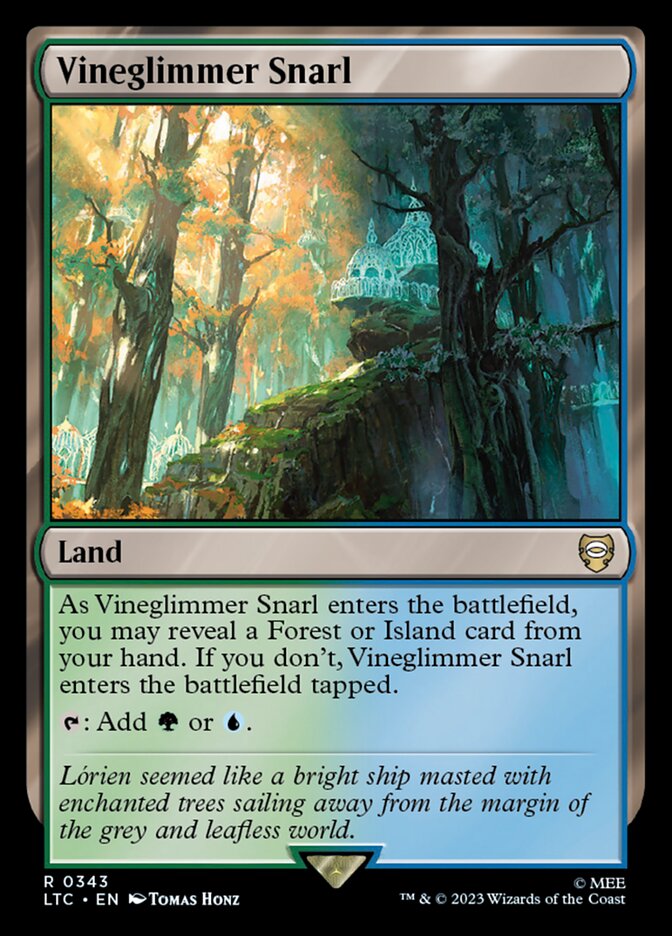
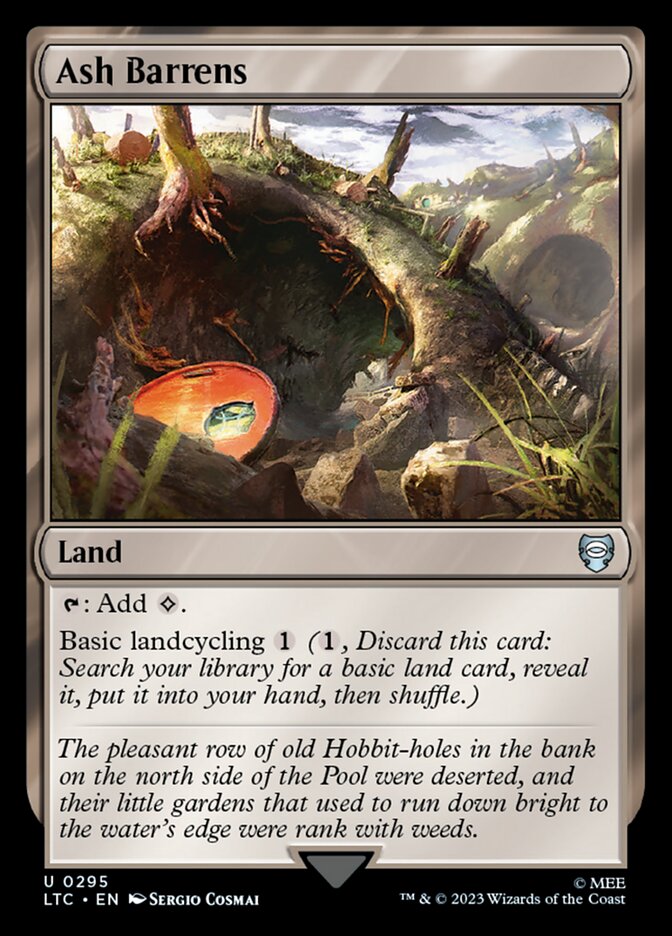
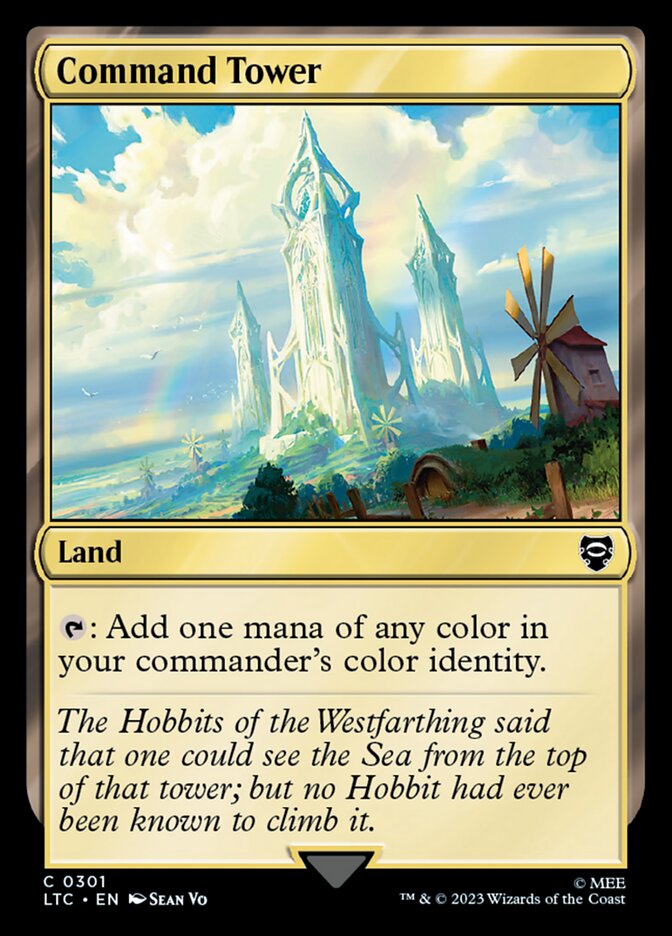
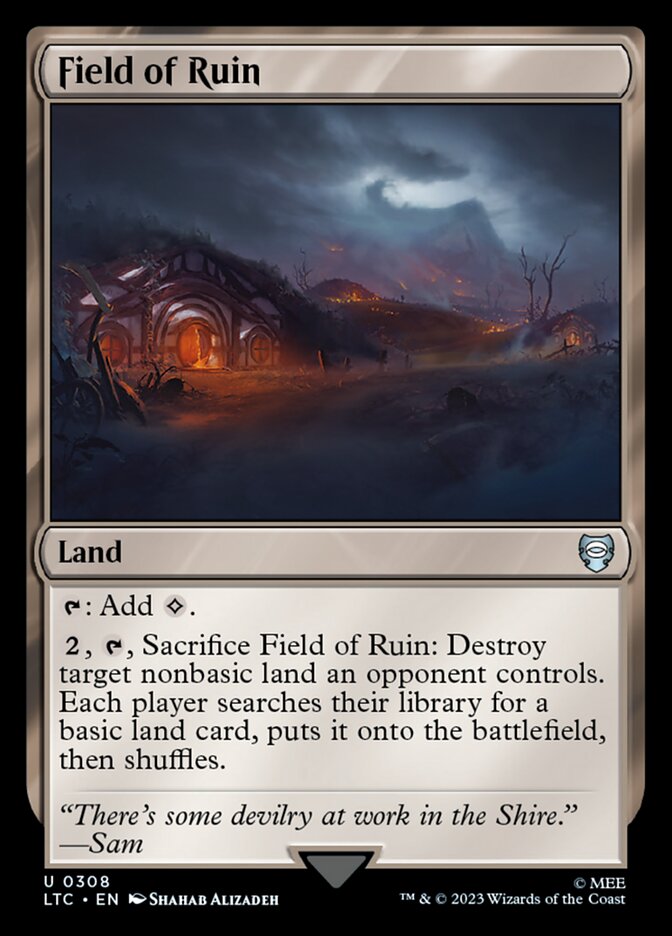
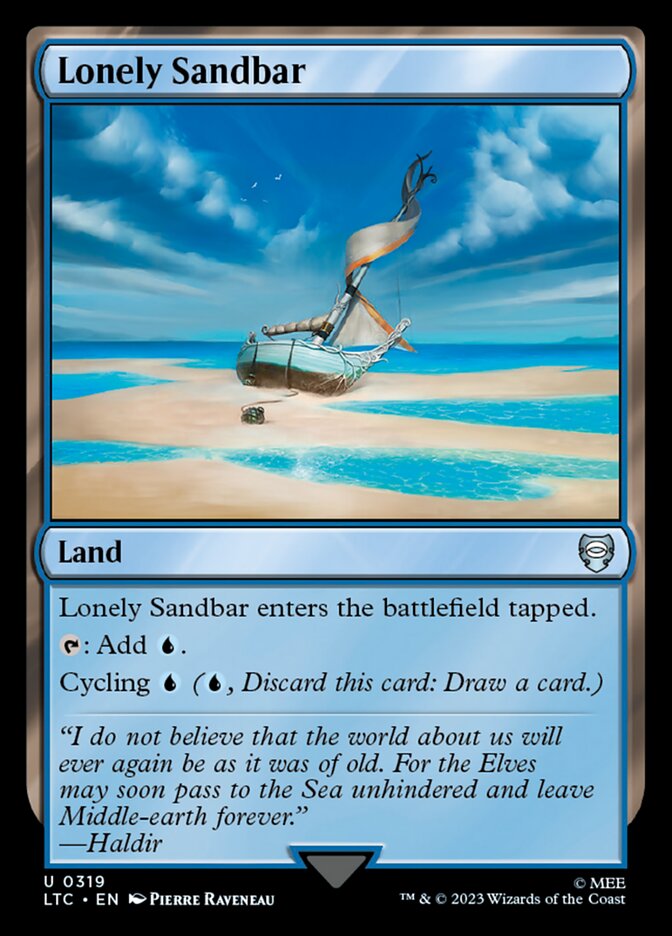
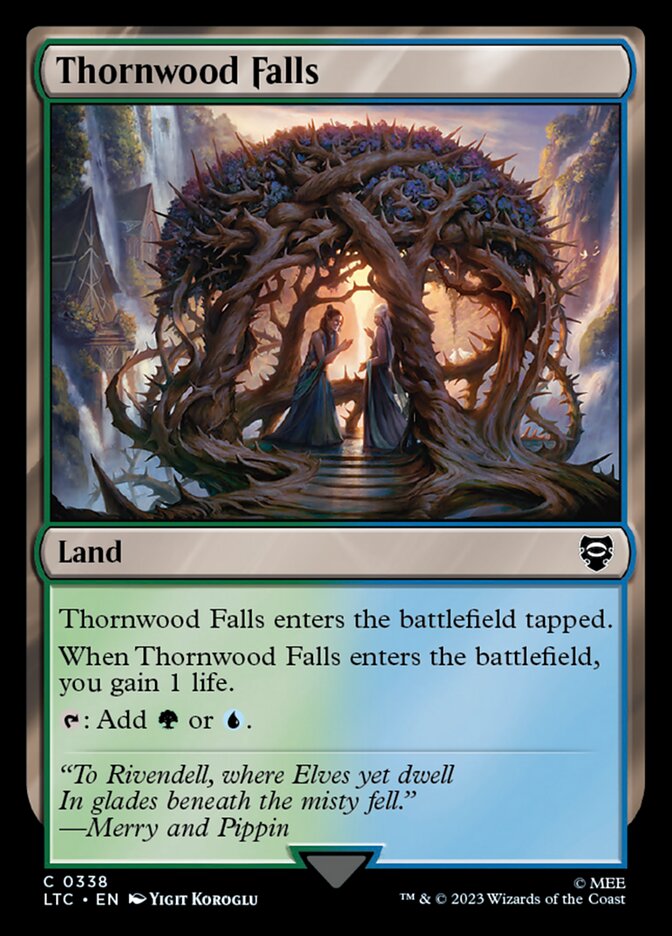
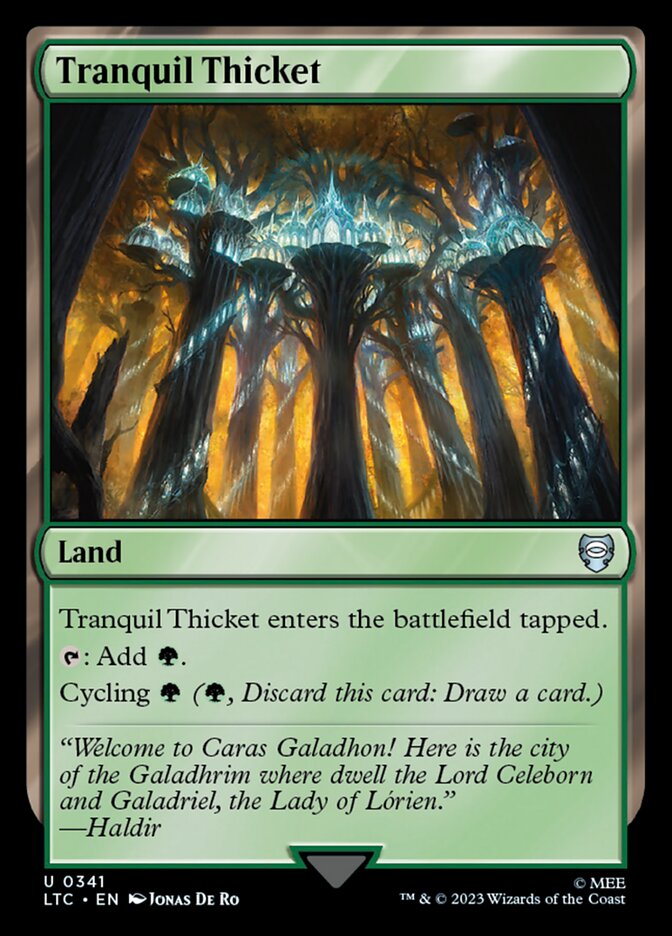
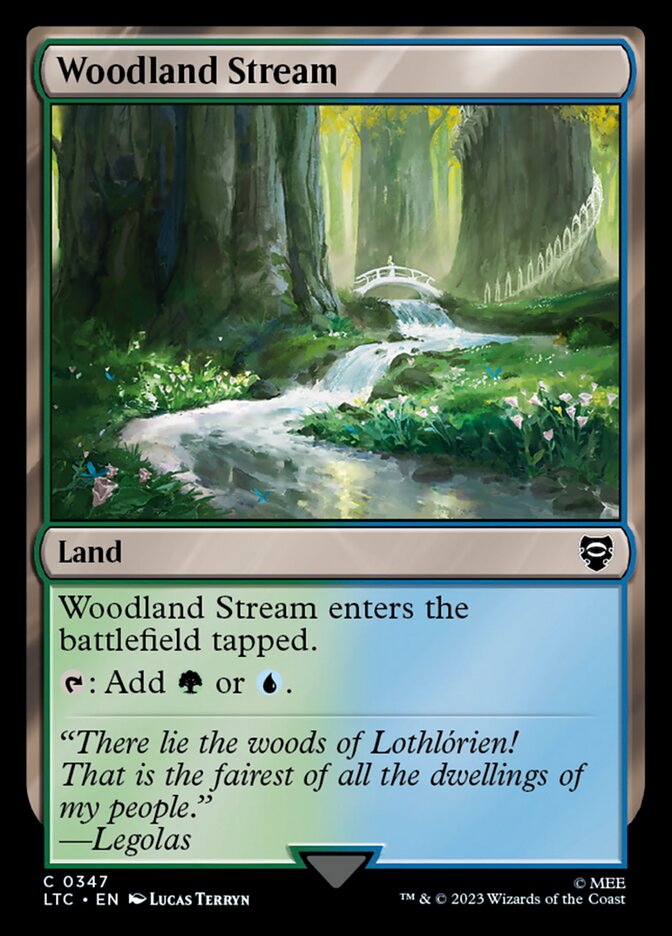
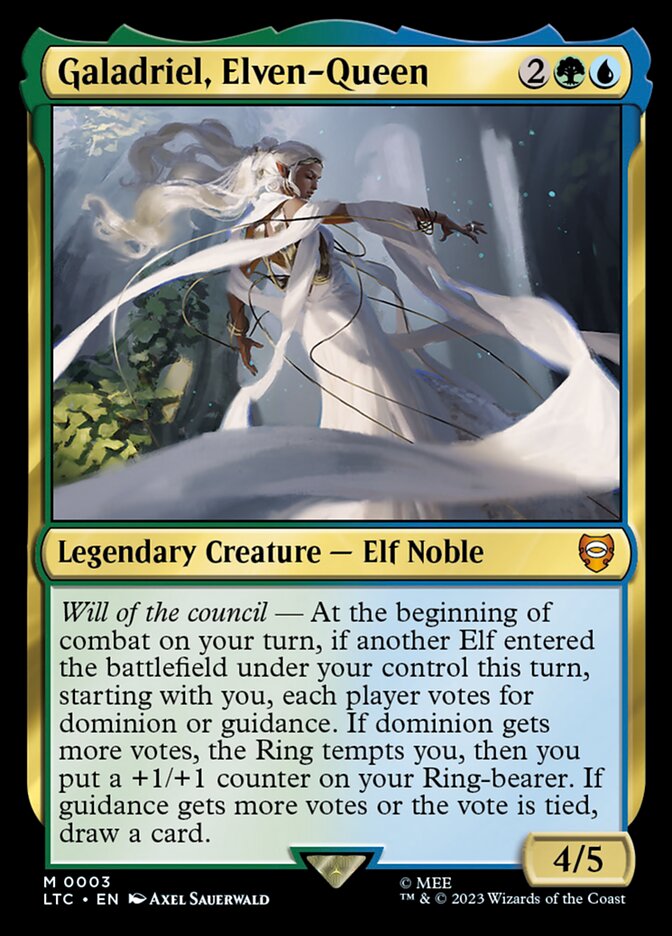
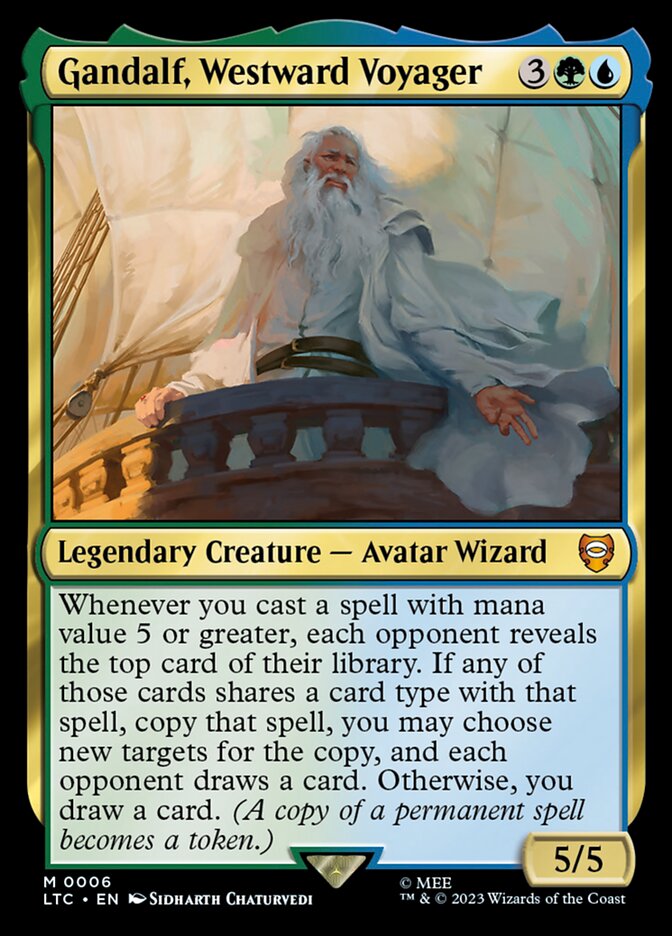
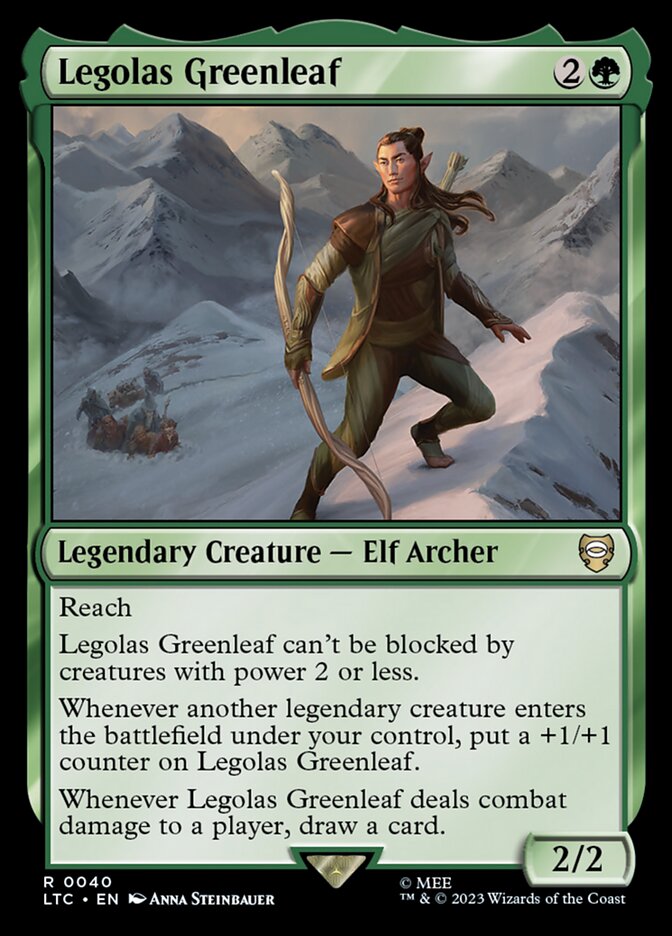
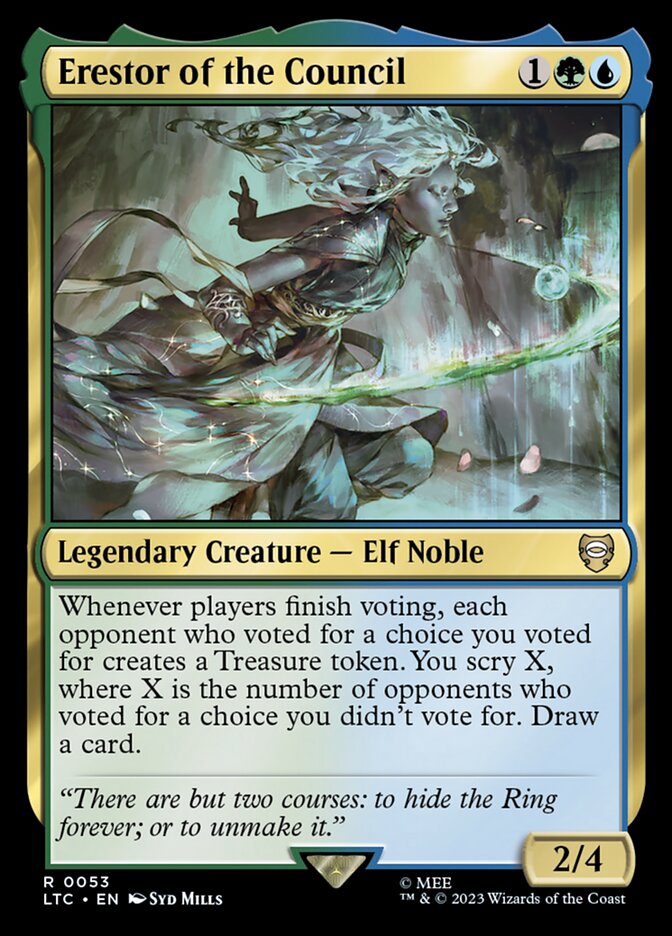
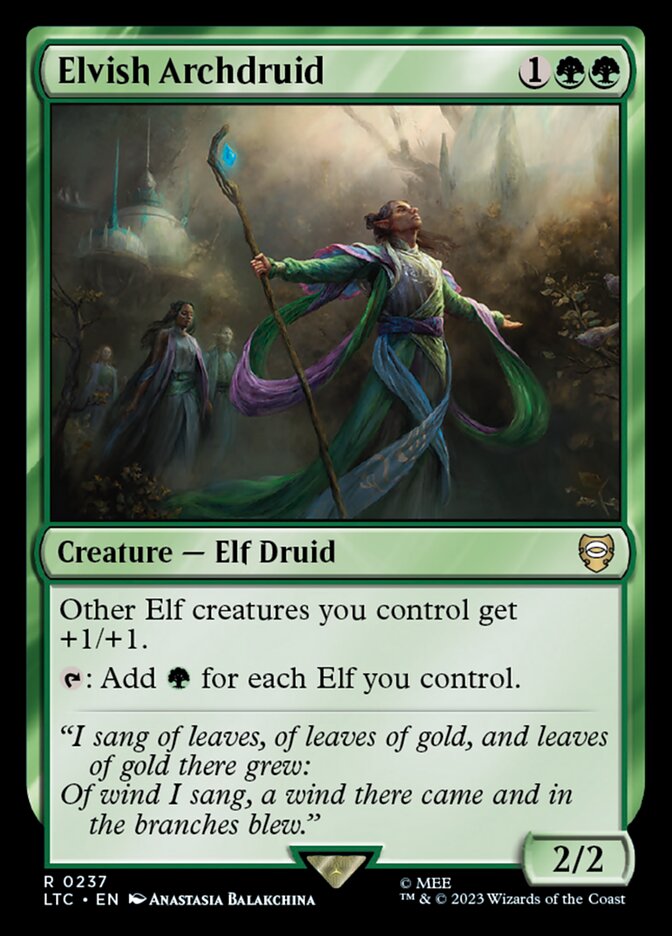
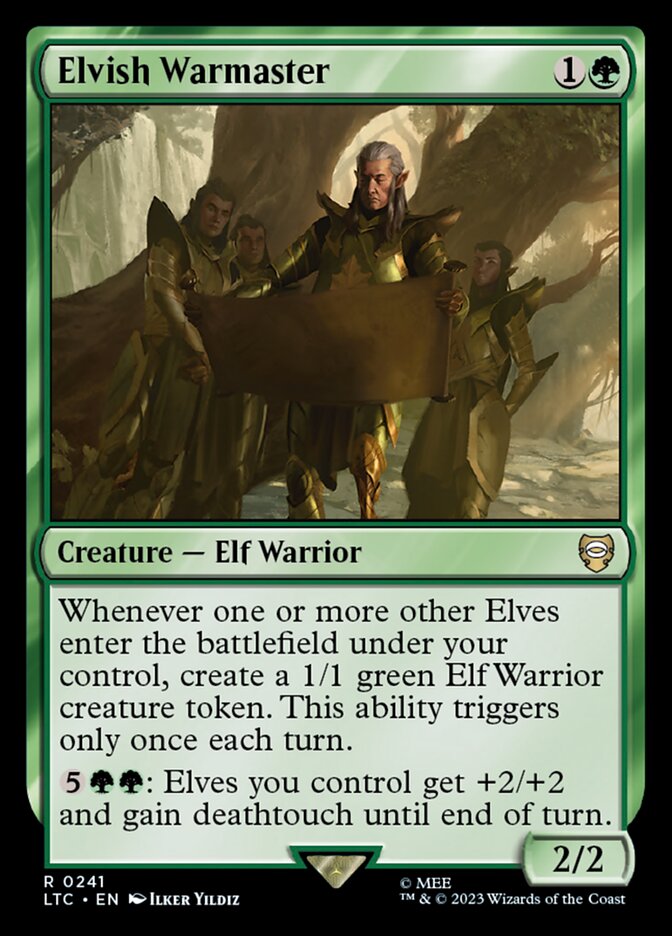
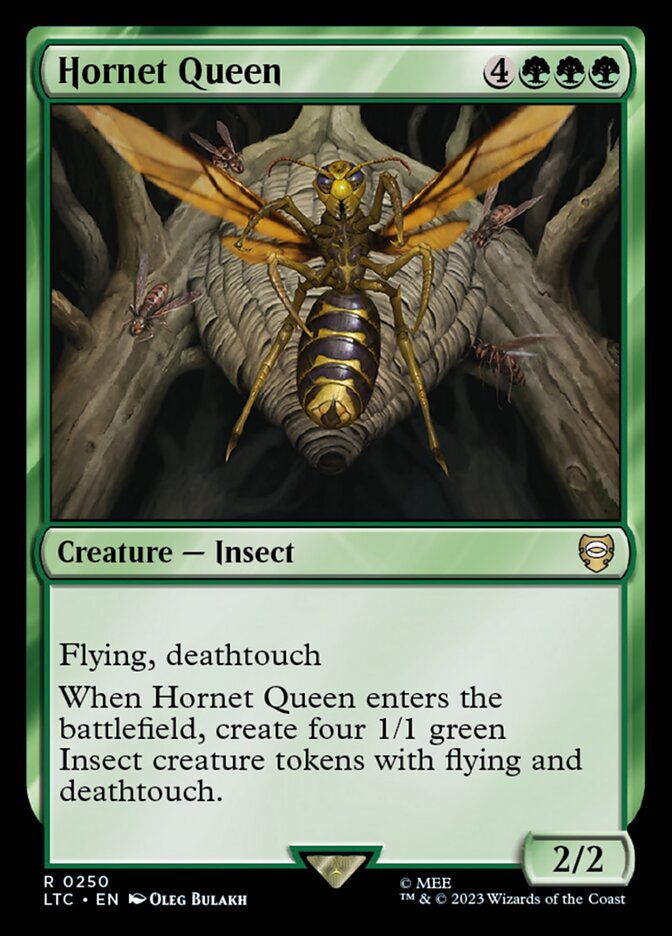
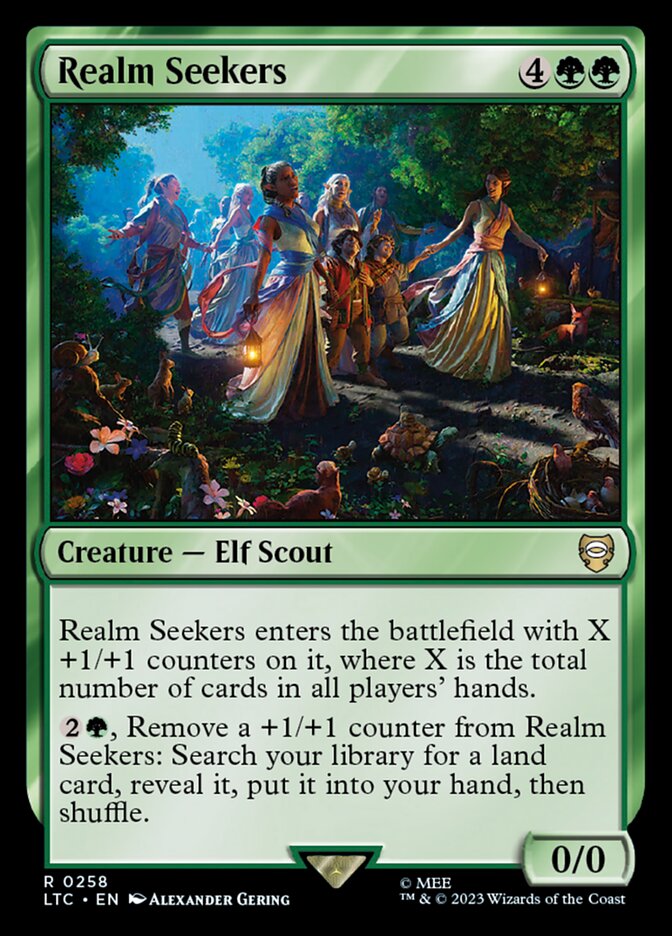
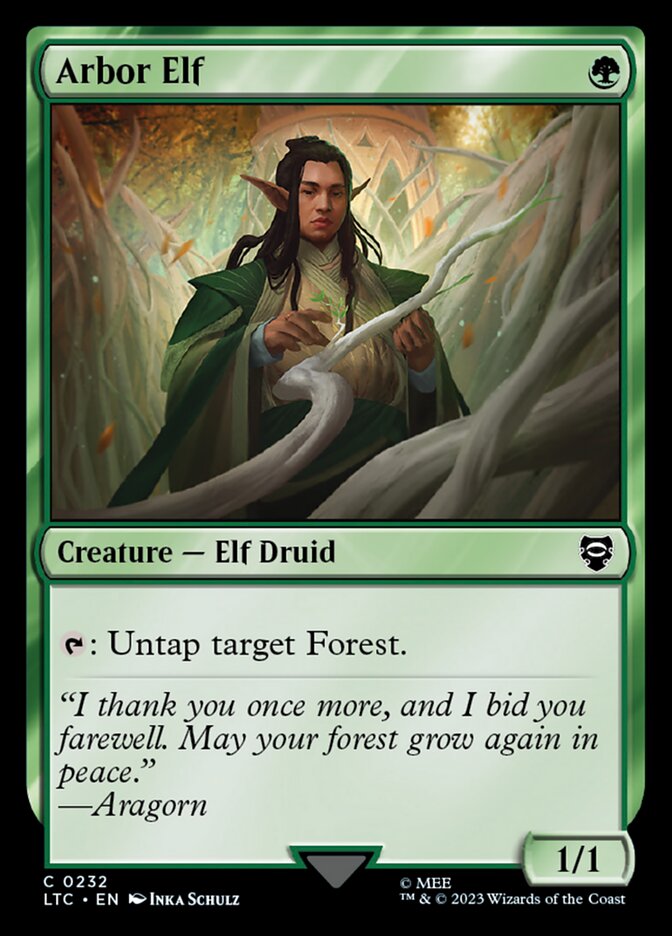
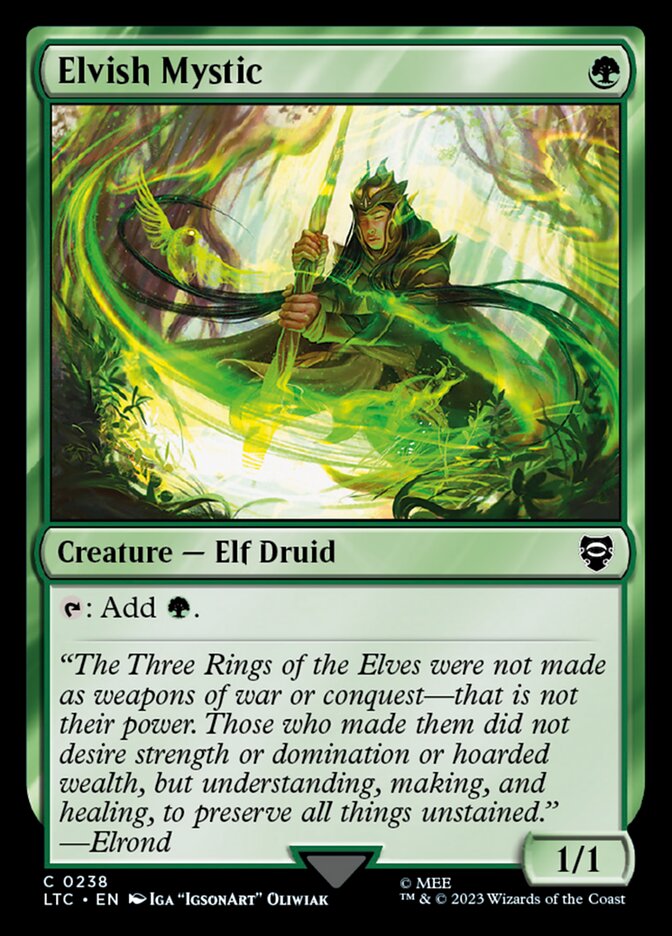
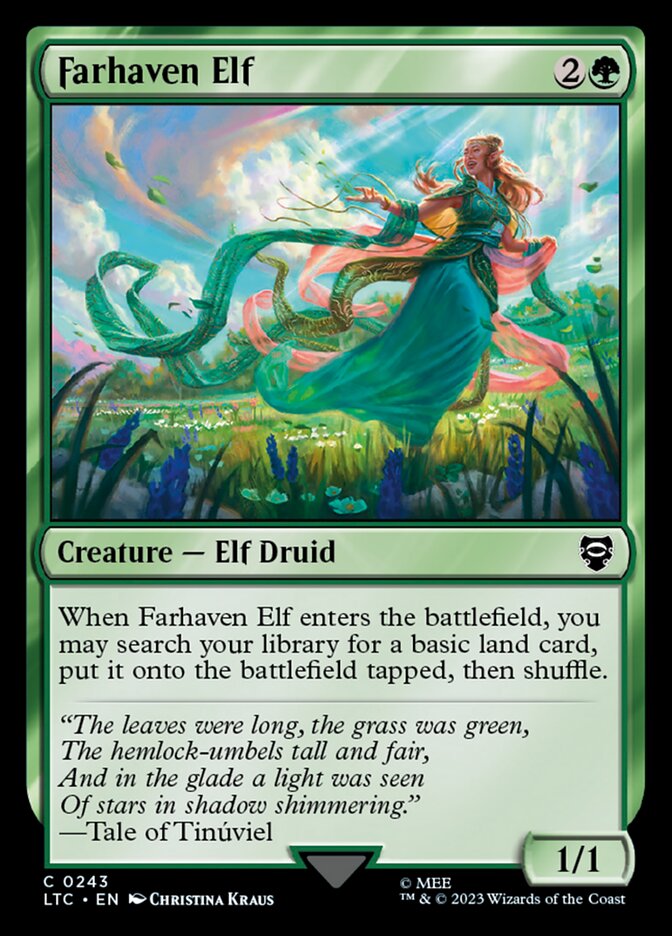
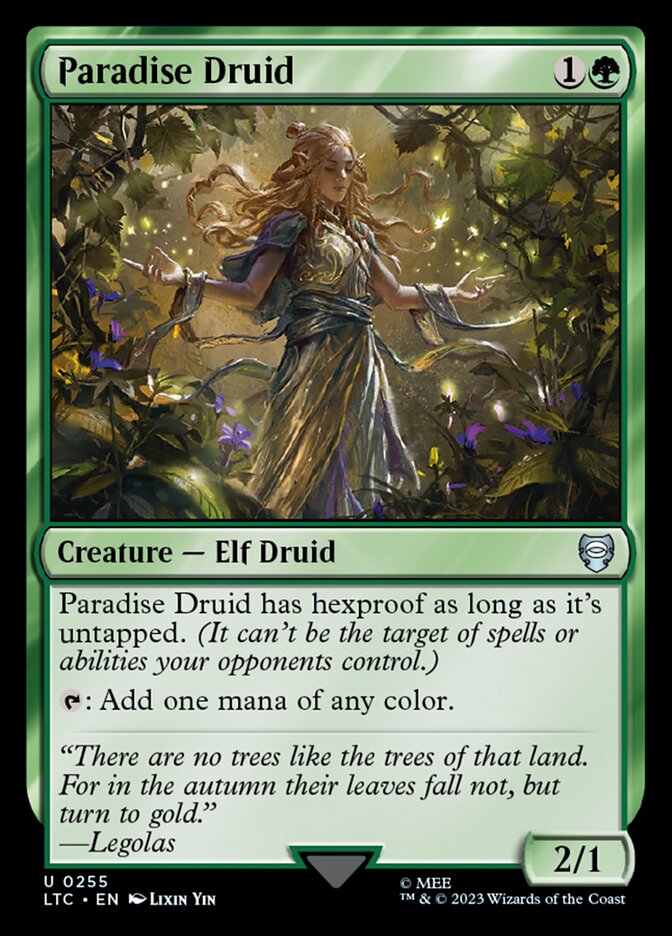
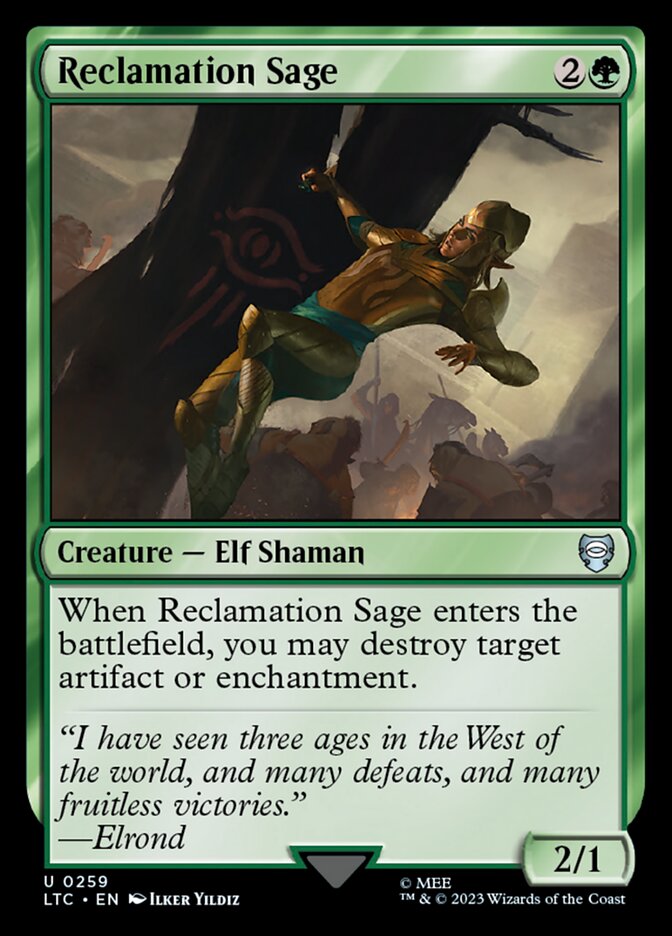
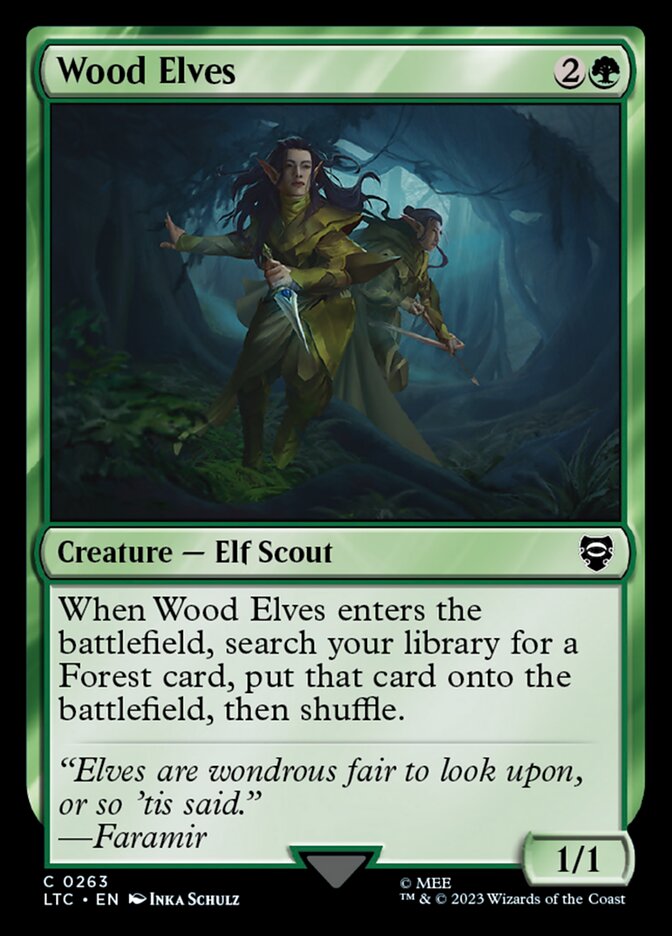
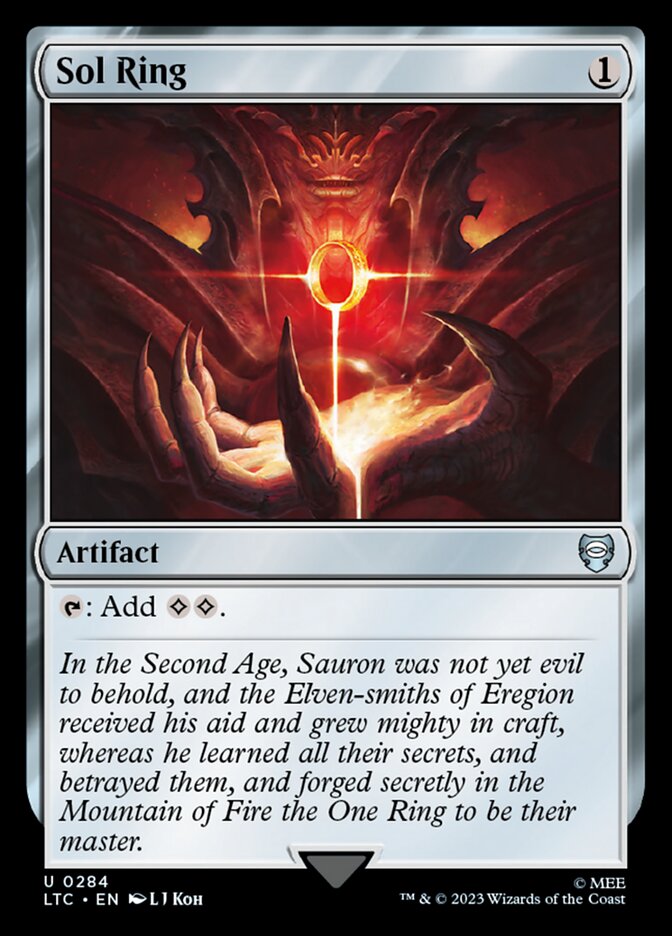
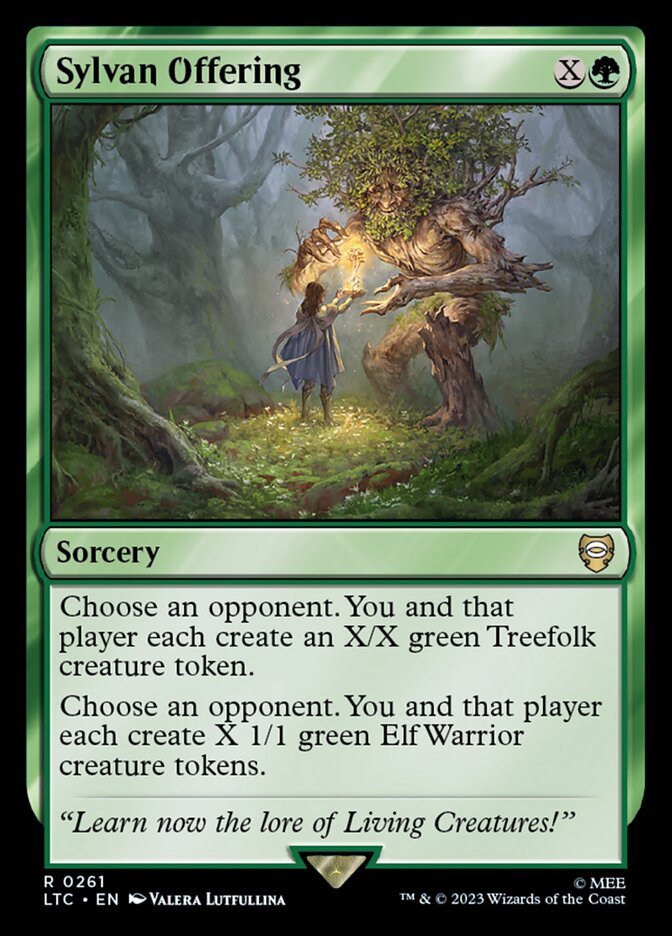
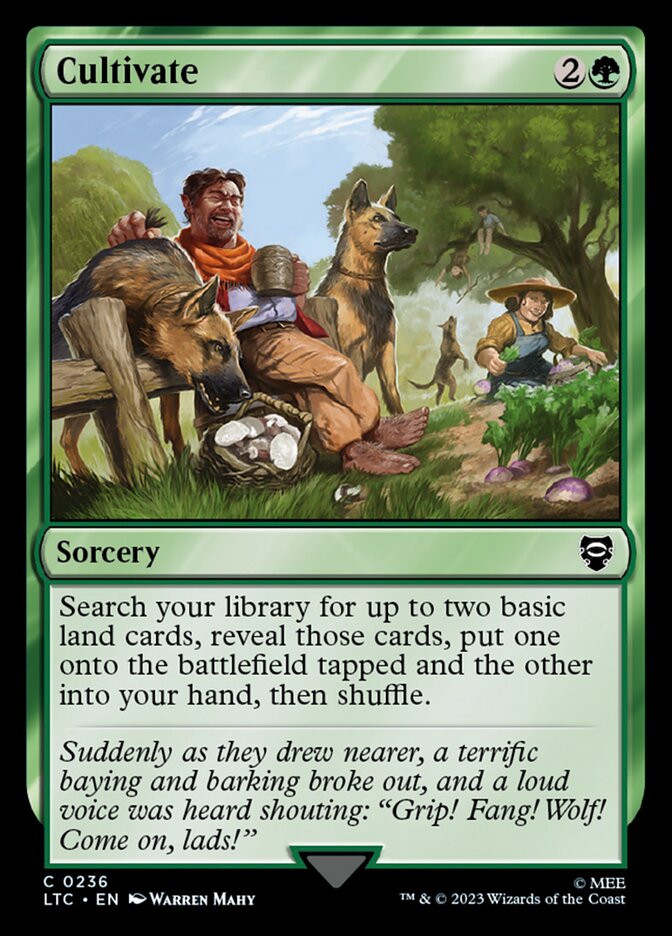
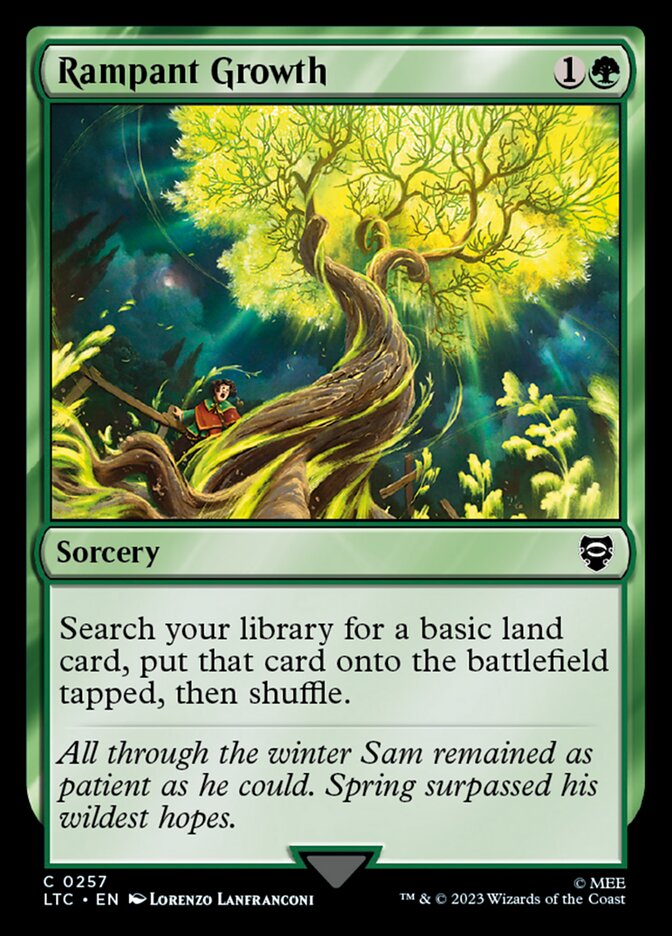
Elven Council wants to flood the board with cheap Elves, convert that board into enormous mana with Elvish Archdruid and similar dorks, and then close the game with a big draw/overrun turn or a wave of tokens. Galadriel, Elven-Queen sits at the top as a combat-trigger payoff, but most of the actual work is done by the elf lords and the ramp package underneath her — Elvish Mystic, Arbor Elf, Paradise Druid, Farhaven Elf, Wood Elves, Rampant Growth, Cultivate and Sol Ring all exist to get you from four lands to seven or eight mana well ahead of schedule. Elvish Archdruid turns that wide elf board into a mana engine on its own, and once it's out you can frequently cast two or three spells a turn for free off the back of a token-heavy field from Elvish Warmaster and Hornet Queen.
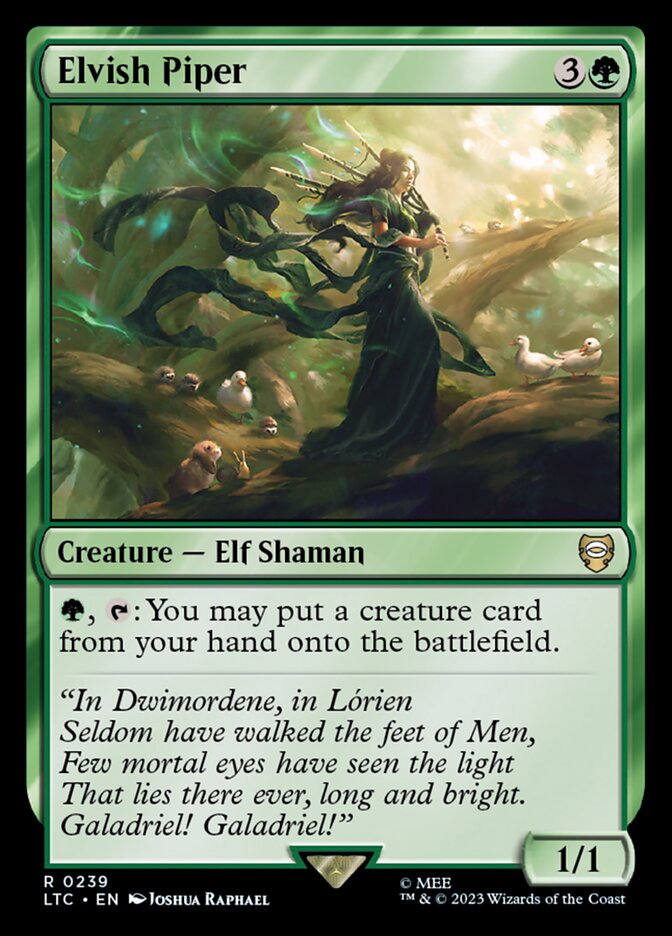
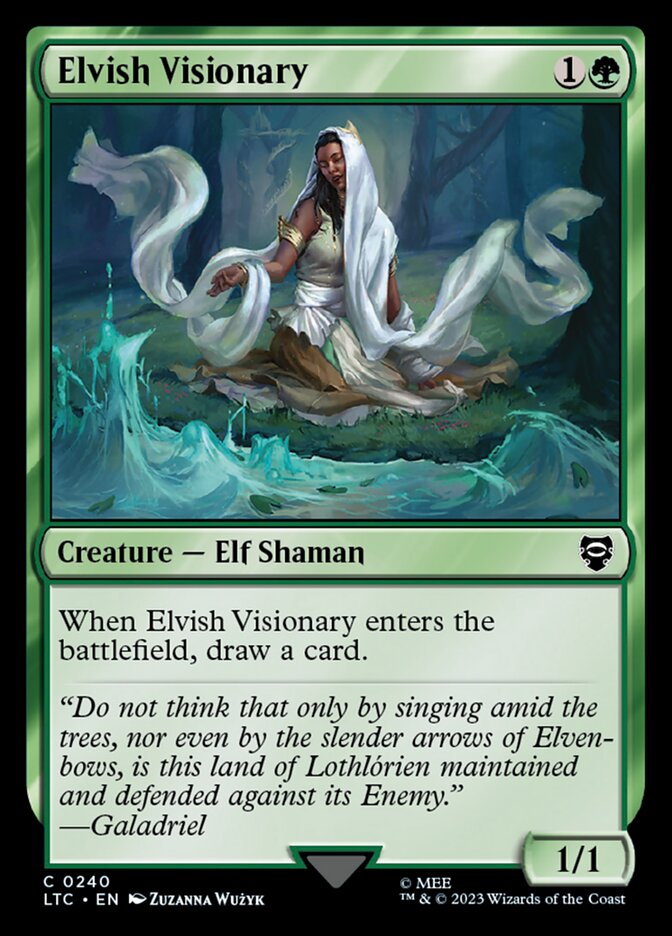
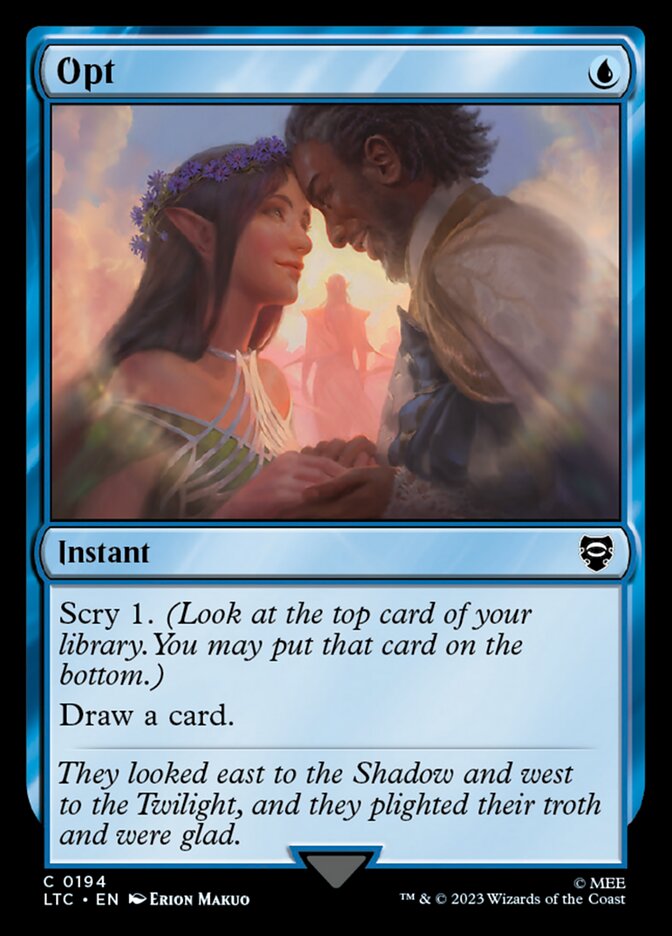
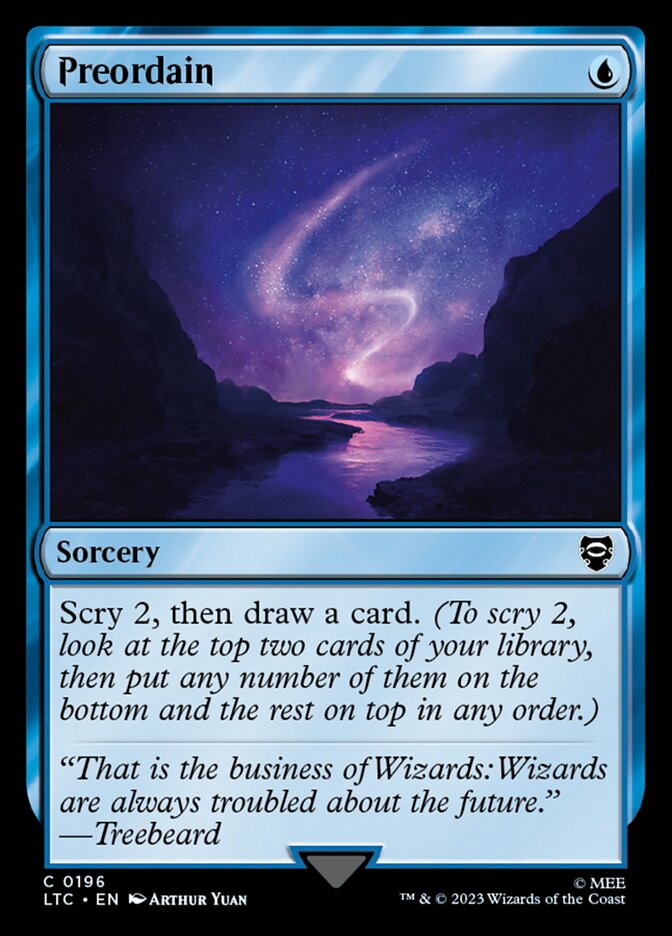
A keepable hand has two or three lands, at least one one-mana dork (Elvish Mystic, Arbor Elf, Farhaven Elf) and ideally a card-draw spell like Preordain, Opt, or Elvish Visionary to keep the hand refilling while the mana comes online. You don't need many lands in hand because the deck ramps itself; what you need is an early elf on the battlefield.
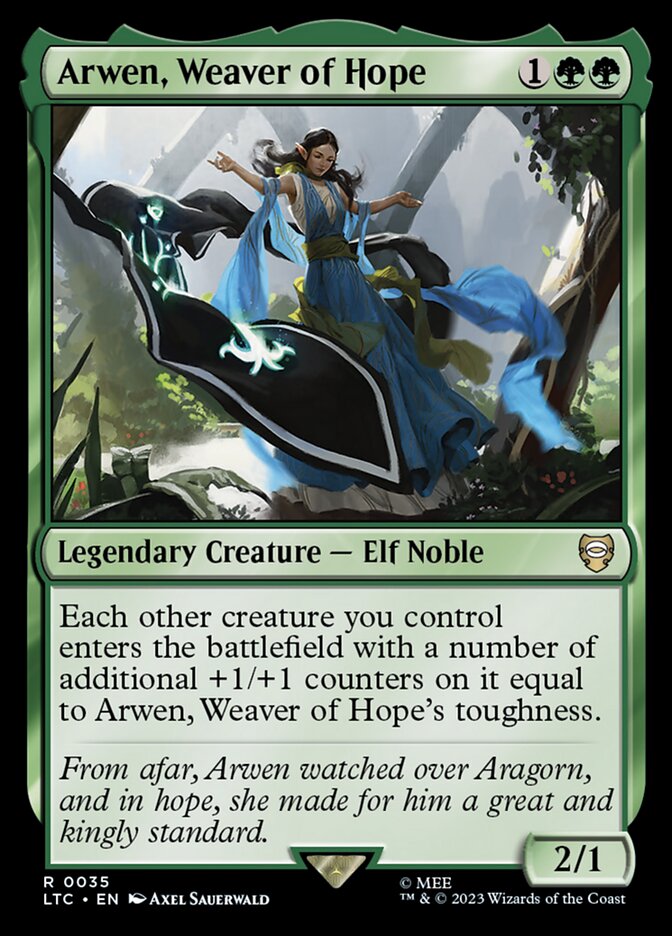
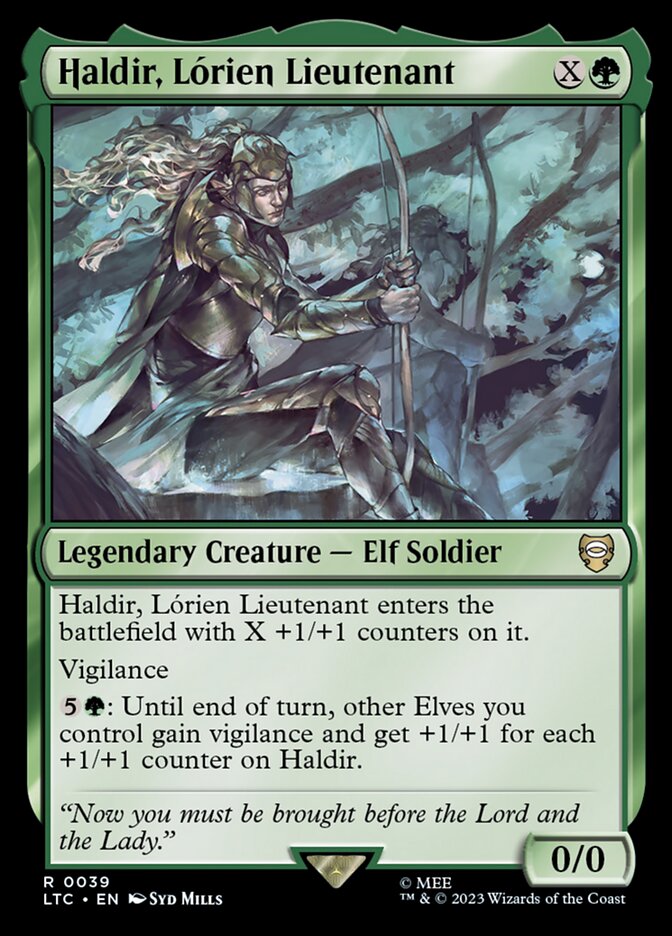
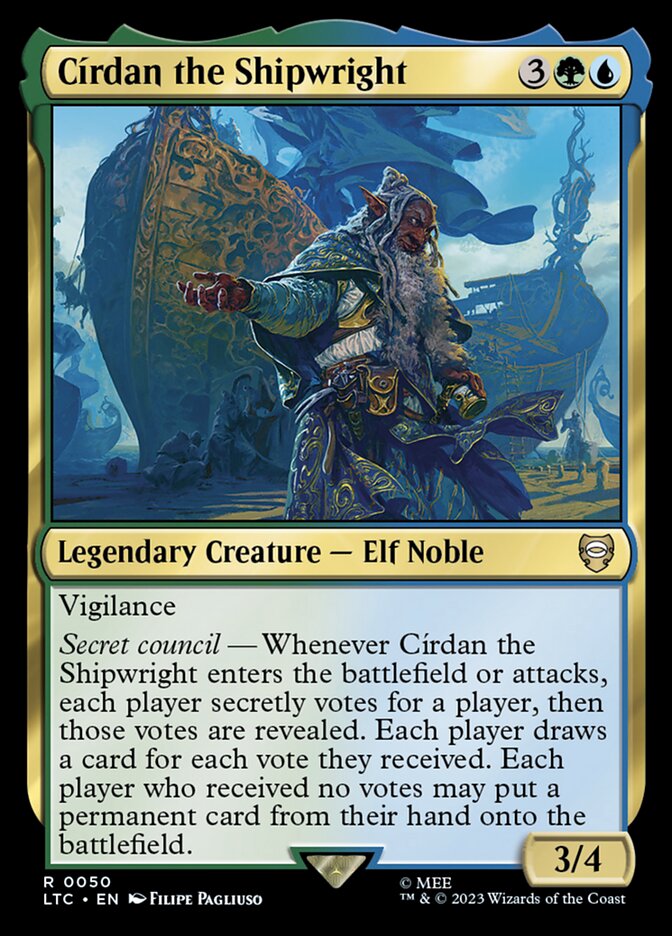
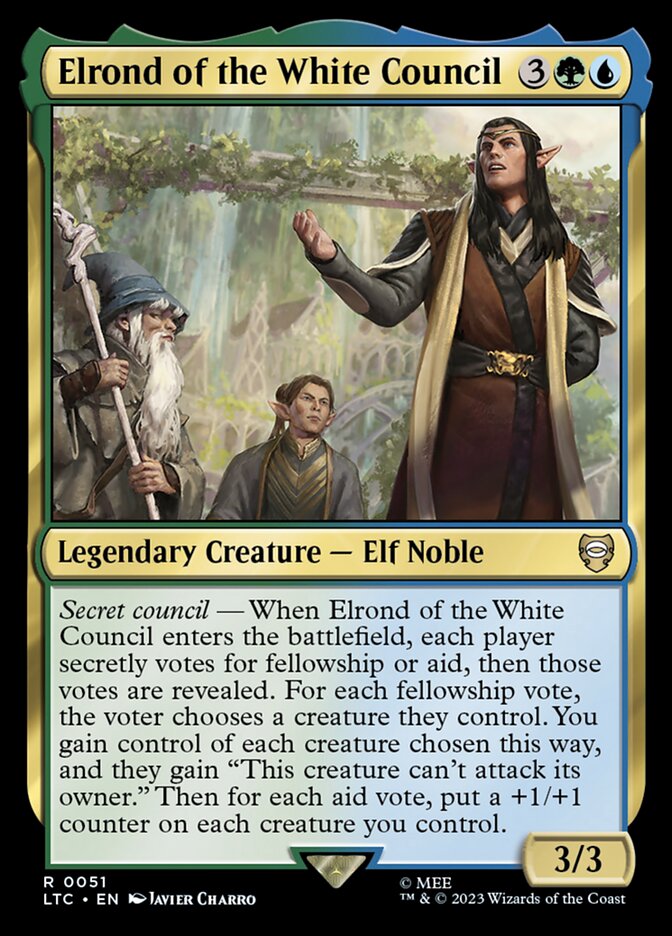
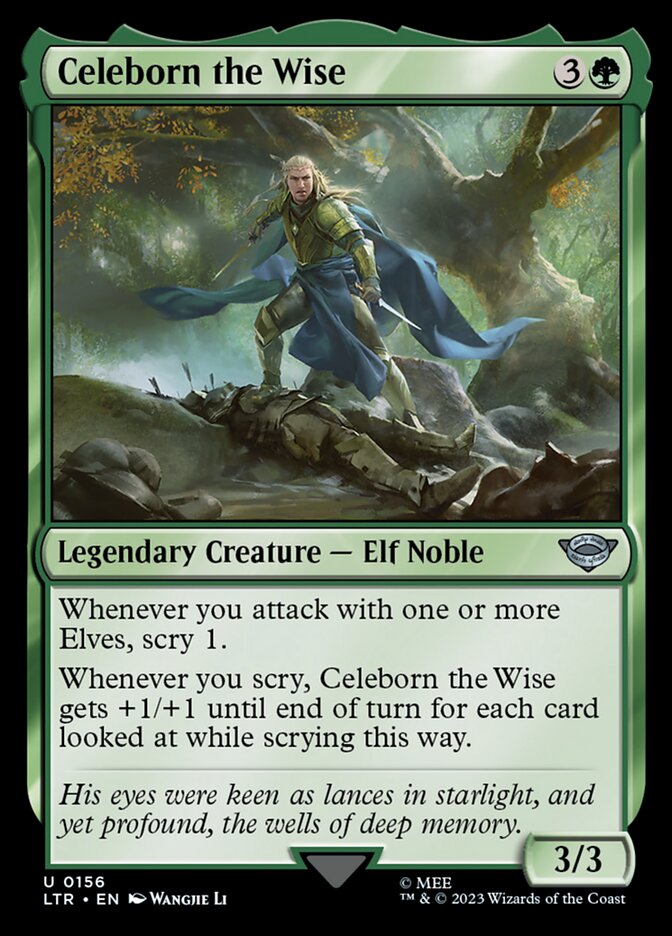
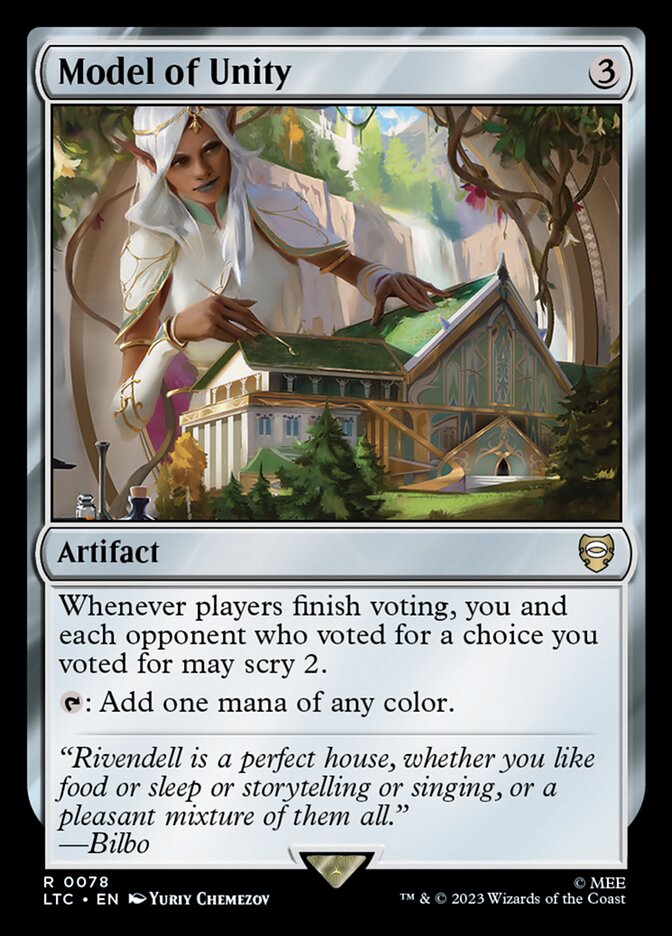
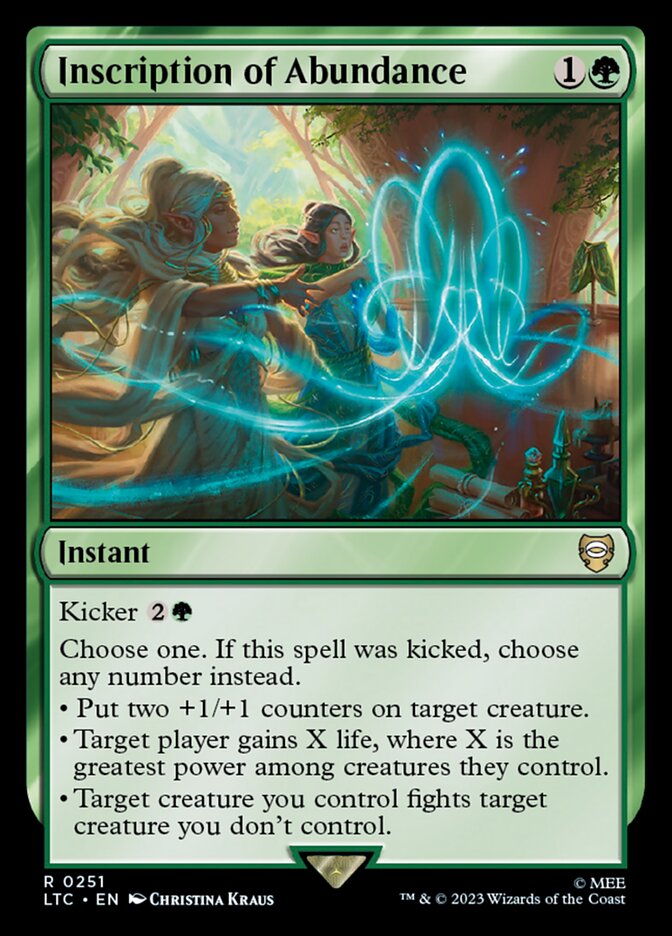
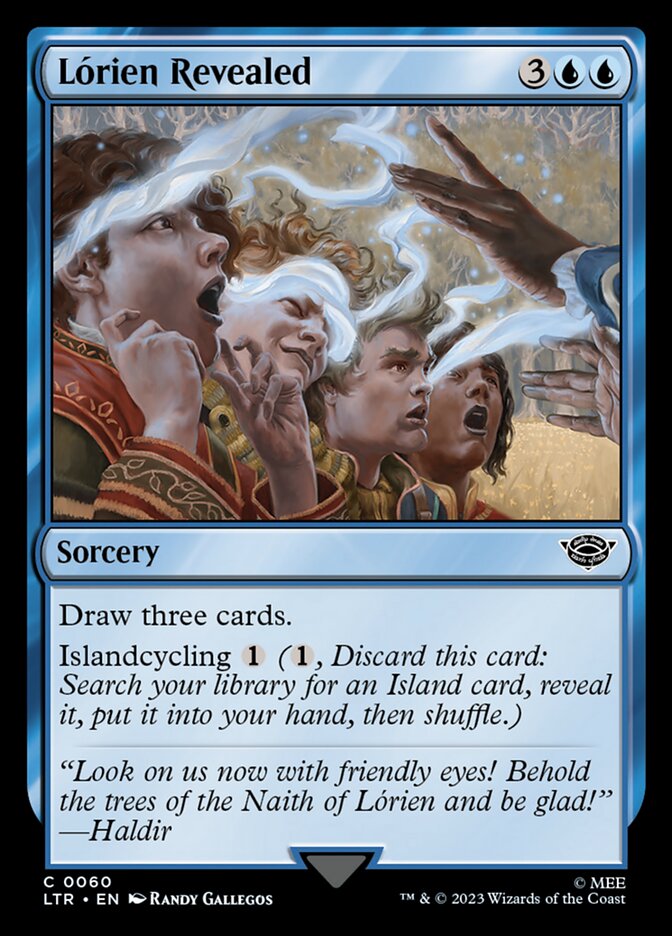
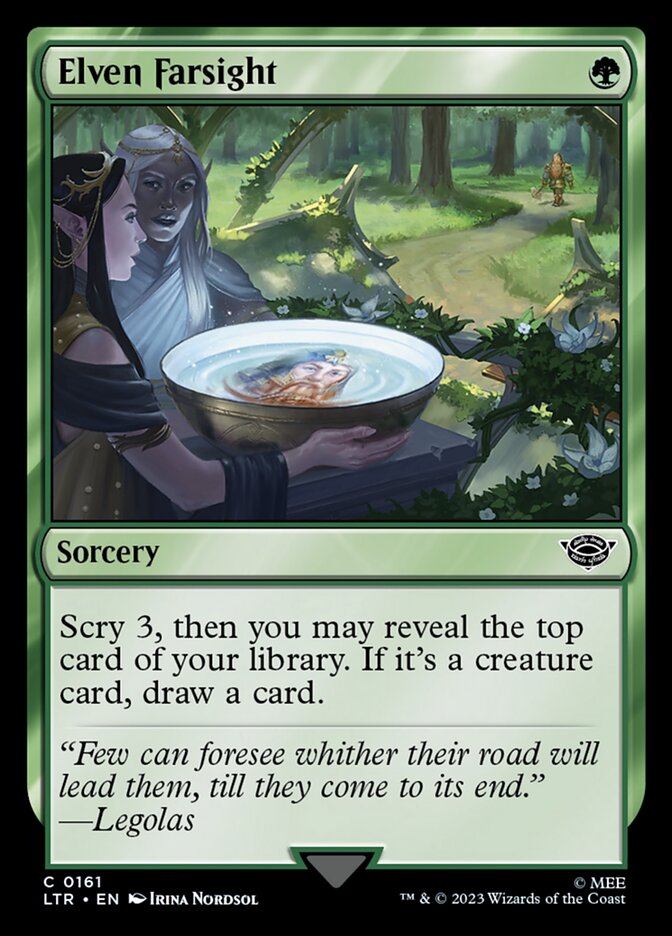
Sequence around the voting cards. Elrond of the White Council, Erestor of the Council, Círdan the Shipwright, Galadriel's Will of the council trigger, and Model of Unity all care about how other players vote, so play them after you have board presence that makes your preferred outcome attractive, not on an empty board where opponents can safely vote against you. Legolas Greenleaf grows off every legendary creature you cast, so sequence your legendary Elves (Haldir, Celeborn, Arwen, Galadriel herself) after Legolas resolves when possible. Celeborn the Wise rewards stacking scry effects from Model of Unity, Elven Farsight, and his own attack trigger. Once Archdruid and a few token-makers are online, Overwhelming Stampede or Genesis Wave are the intended finishers.
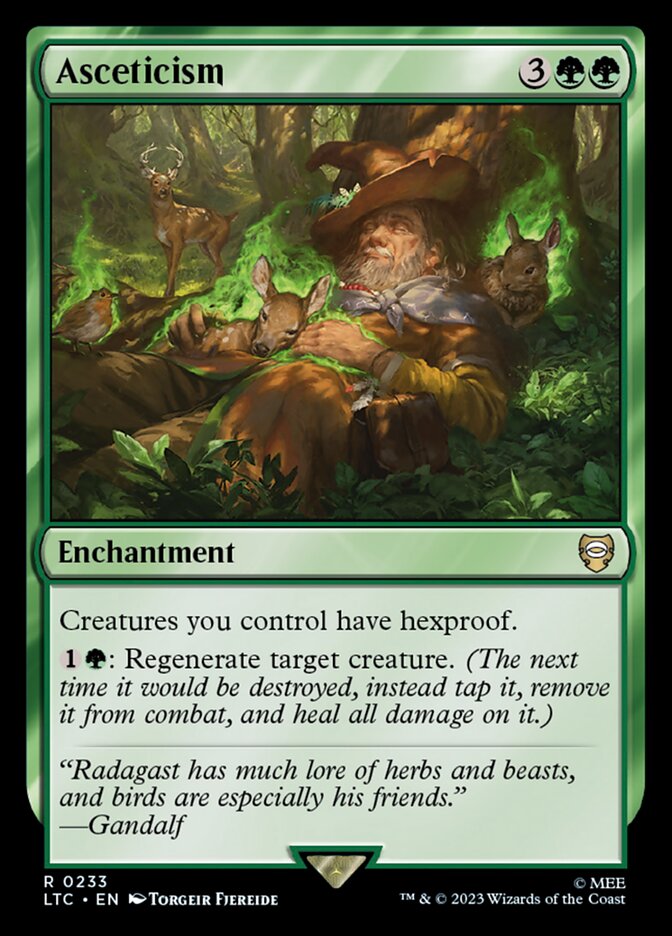
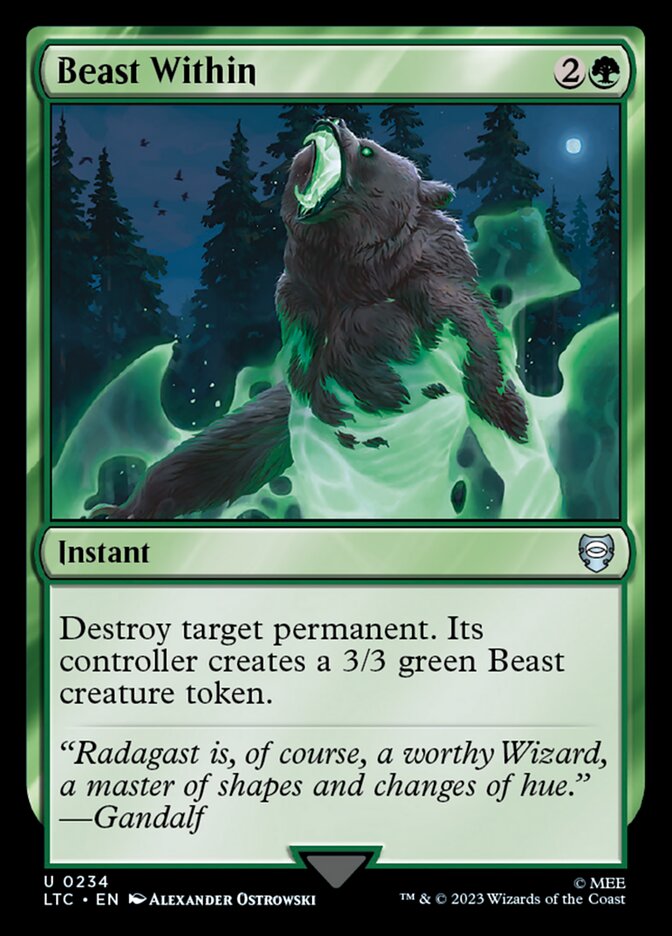
The deck is weak to sweepers: most of the board is 1/1 and 2/2 Elves and tokens, so a single wrath can undo several turns of development, and the deck has no mass protection beyond Asceticism and Heroic Intervention, both of which must already be in play to help. It is also light on hard removal and relies on combat tricks and Beast Within for problem permanents, so it can struggle against an established threat it can't out-race. Losing Galadriel to removal costs you the combat-damage counter engine but the rest of the deck functions without her.
Deck stats62 spells · 38 lands
Spells by mana value · lands not counted
Spells by colour
- Blue11
- Green33
- Multicolour10
- Colourless8
62 spells in all
All 100 cards by type
- Land38 38%
- Creature25 25%
- Sorcery13 13%
- Instant12 12%
- Artifact8 8%
- Enchantment3 3%
- Commander1 1%
Deck insightsBracket 2 · middle1 of 6 in range
Among Bracket 2 (Core) decks, from card labels not play results
How the score is weighted
Nine levers, each scored 0–1 and weighted: speed from the average mana value (20%), answers costing two or less (15%), Game Changers used of what Bracket 2 allows (15%), ramp (10%), card draw (10%), tutors (10%), fast mana costing one or less (10%), ways to close (5%) and a lean land count (5%). The weighted sum ×100 is the score; under 34 is the lower third, 67 and up the upper third. The bracket itself is the Commander Brackets reading of the list (Game Changers, mass land denial, extra turns, combos), not this score.
What the list is built to do
18 answers and 4 sweepers with the draw to keep finding them — it answers everything, then wins late.
38 lands for 75 coloured pips
- GreenEnoughPips51Sources31 / 23
- BlueEnoughPips24Sources25 / 18
Sources shown as have / need.
Sweet spots
How many of each job a Bracket 2 deck usually runs, and where this list sits
- Mana sources38 / 36–38In range054
- More than the curve needs17 / 8–12High018
- Plenty to keep the hand full16 / 8–12High017
- Heavy on answers18 / 6–10High019
- Keep the ones that spare yours4 / 1–3High05
- Few ways to end the game1 / 2–5Low07
Opening hands
2,000 seven-card hands dealt from the 99-card library
How these are worked out
The labels. Each card in the catalogue carries what it does — ramp, draw, removal, sweeper, protection, tutor, win condition; for Pokémon, draw, search, switch, recovery — set by the catalogue's sweep and corrected by moderators. The counts here are those labels added up over the deck. A card with no label yet counts for nothing, and the panel says how many there are.
Power. Nine levers, each scored 0–1 and weighted: speed from the average mana value (20%), answers costing two or less (15%), Game Changers used of what Bracket 2 allows (15%), ramp (10%), card draw (10%), tutors (10%), fast mana costing one or less (10%), ways to close (5%) and a lean land count (5%). The weighted sum ×100 is the score; under 34 is the lower third, 67 and up the upper third. The bracket itself is the Commander Brackets reading of the list (Game Changers, mass land denial, extra turns, combos), not this score.
Sweet spots. The usual count of each job for a deck of this kind, narrowed by bracket: a faster bracket runs fewer lands and more interaction. In range is a guide, not a rule — a deck built around one plan can sit outside a band on purpose.
Mana base. Coloured pips are counted from each spell's cost (a hybrid symbol is half a pip to each side). Sources are lands and labelled mana cards that add the colour, from Scryfall's list where the catalogue holds it and from the card's own text otherwise. "By turn 3" is the chance that at least one source is among nine cards — the opening seven plus two draws.
Game plan. Stax when eight or more cards tax or lock; combo when the list holds a known combo or four tutors with finishers; control when answers and sweepers reach sixteen with the draw to find them; aggro under a 2.8 average cost with twenty creatures; midrange otherwise.
Opening hands. The deck is shuffled and dealt 2,000 times, commander excluded, and each figure is the share of those hands that had the thing. The same shuffle order every time, so the numbers stay put between visits; they move when the list does.
TCGdeck scans your Pokémon and Magic cards from a photo, builds decks from your collection and tells you how good they are: power, weak spots and opening hands.
Start freeSomething wrong with this deck or its name? Report it.