Fourteen Cards, Zero Mercy
Pokémon (24)
 ×4
 ×4
 ×2
 ×3
 ×4
 ×3
 ×2
 ×2
Trainer (30)
 ×4
 ×4
 ×3
 ×4
 ×1
 ×1
 ×3
 ×2
 ×1
 ×4
 ×1
 ×2
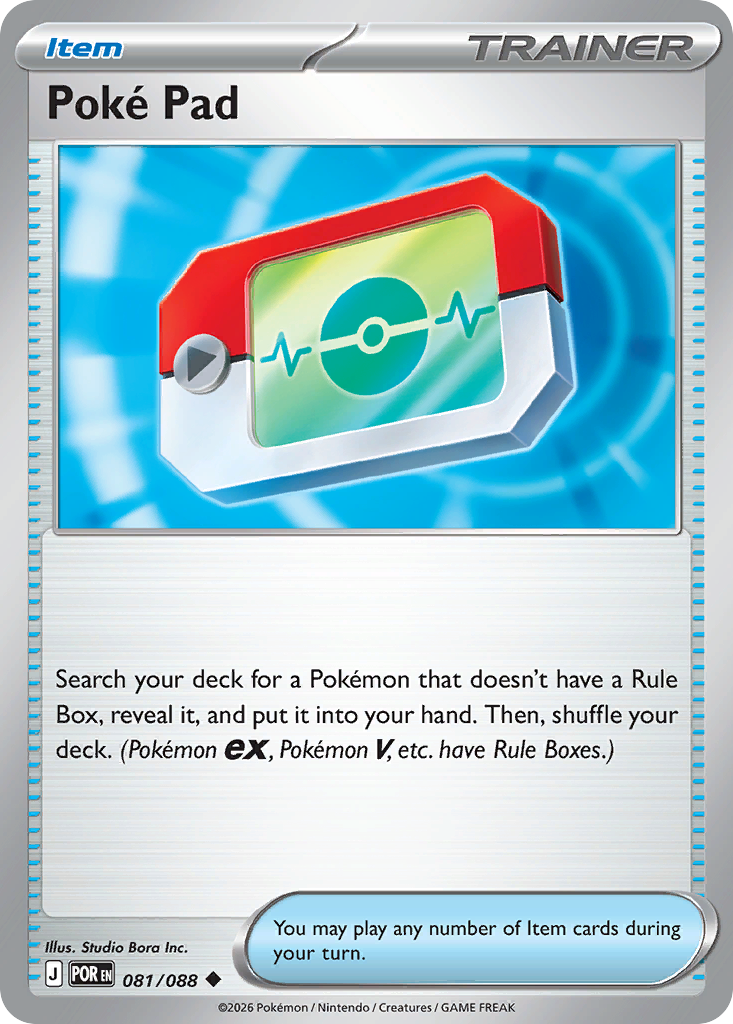
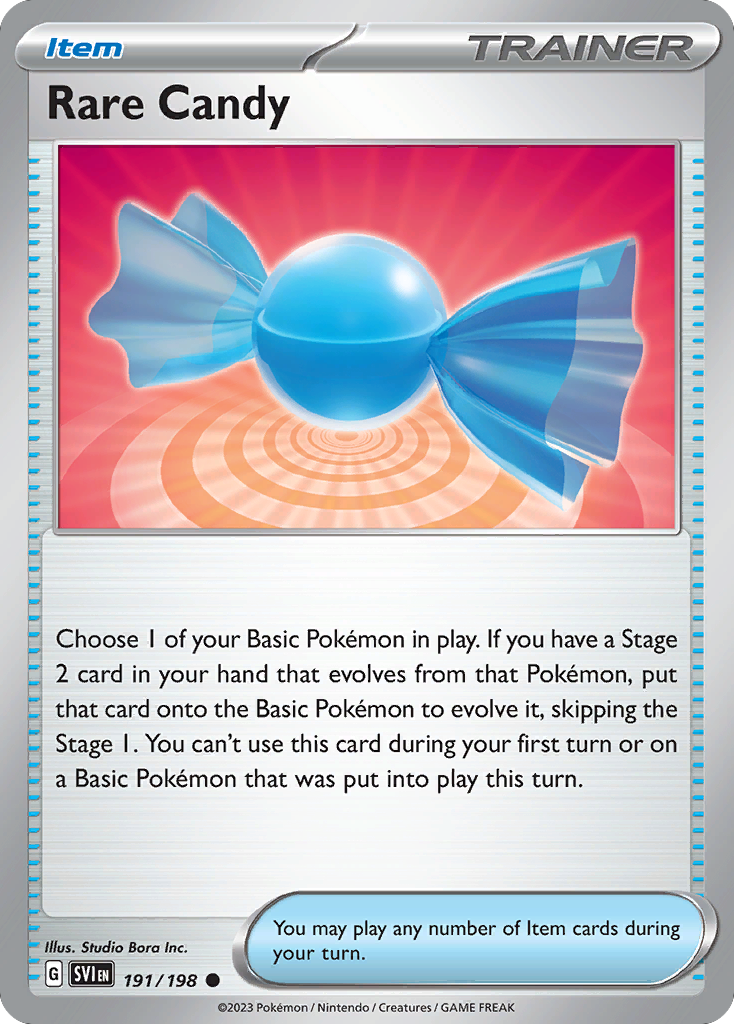
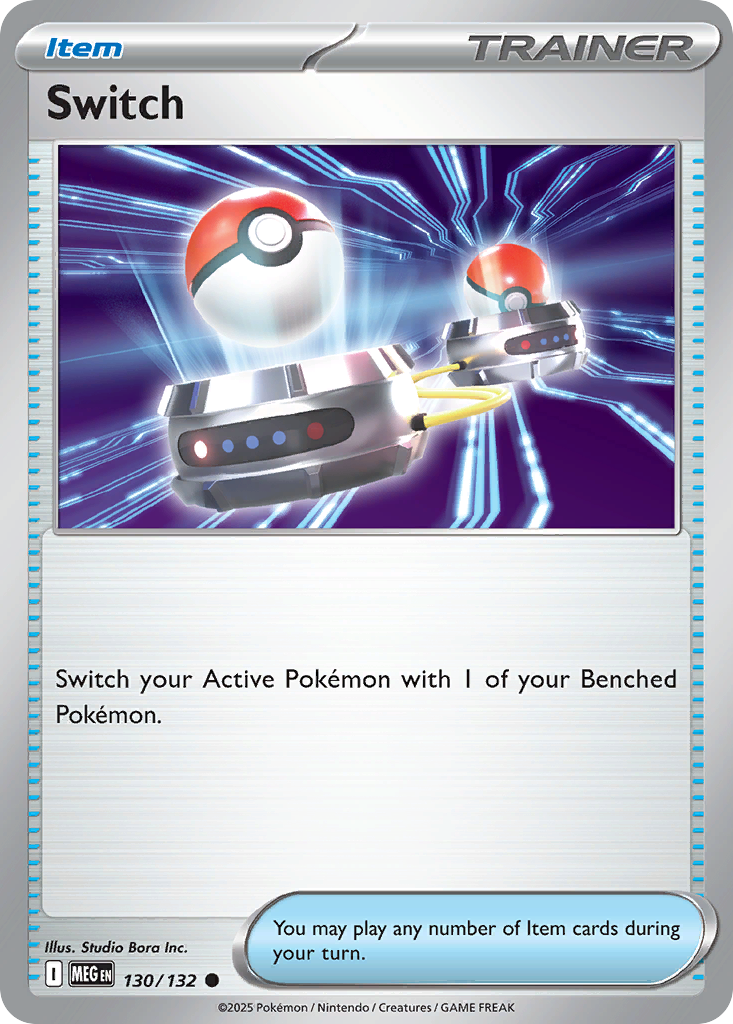
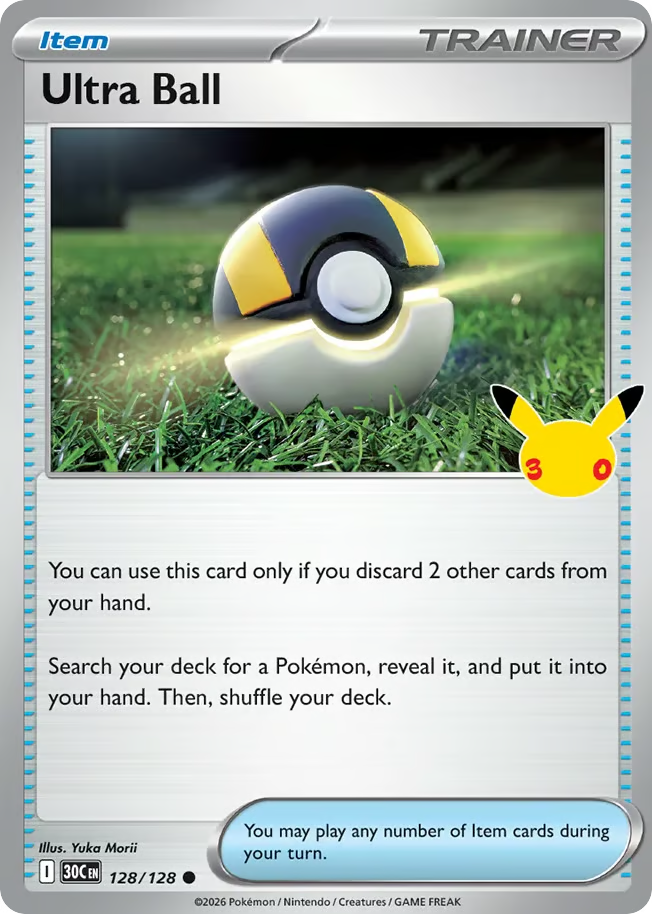
Energy (6)
 ×5
 ×1
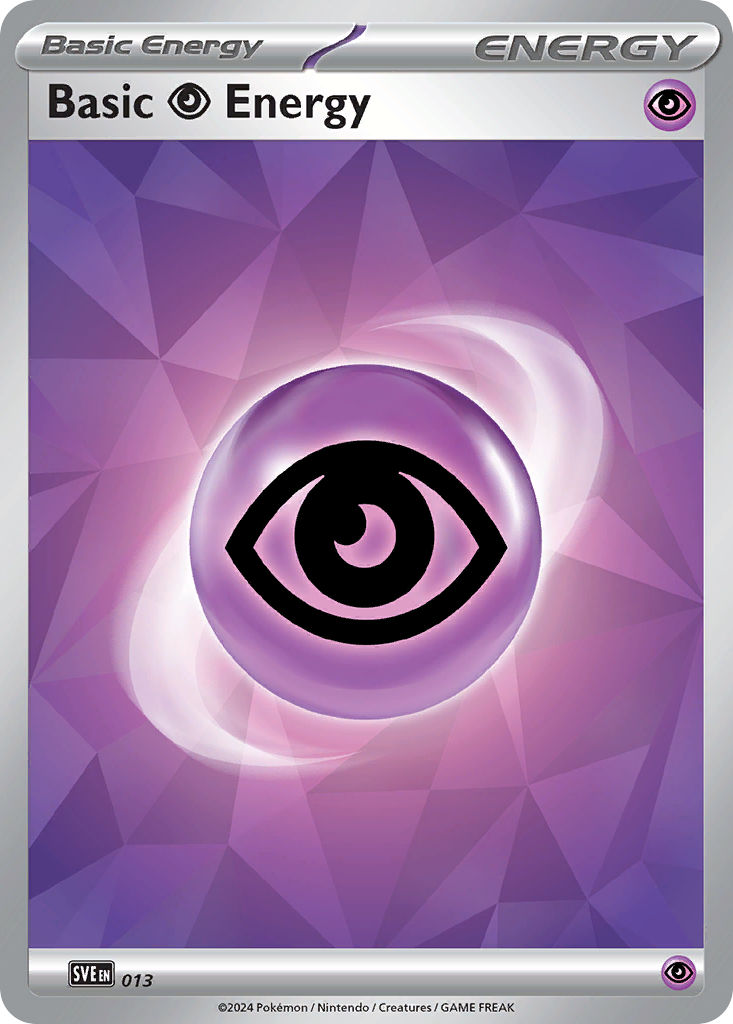
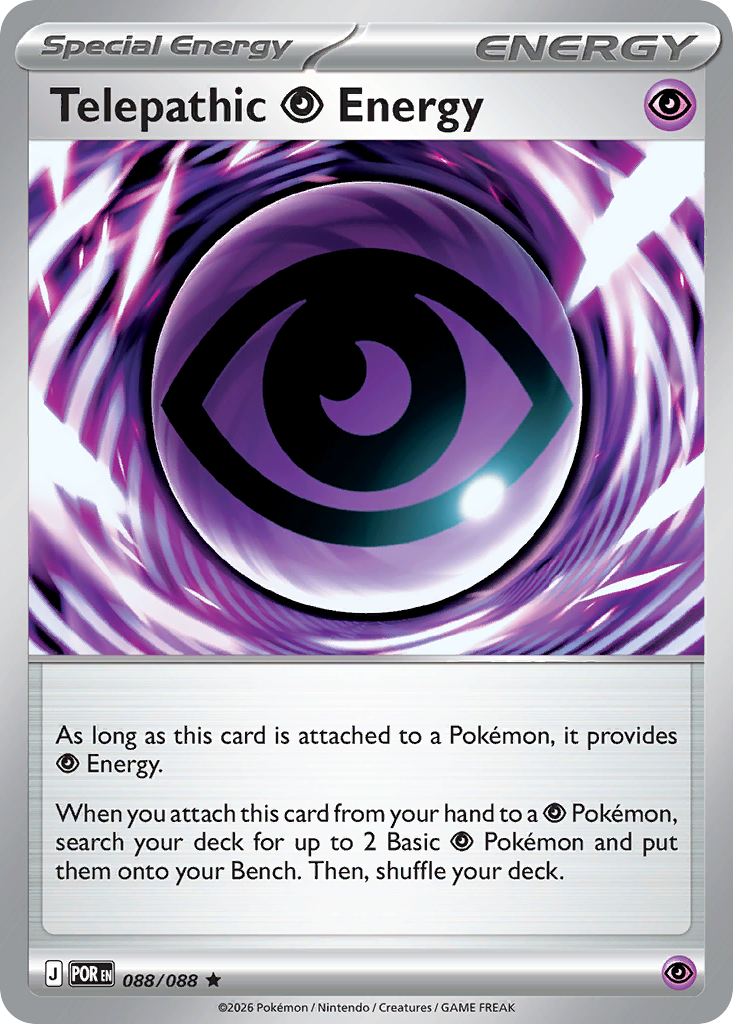
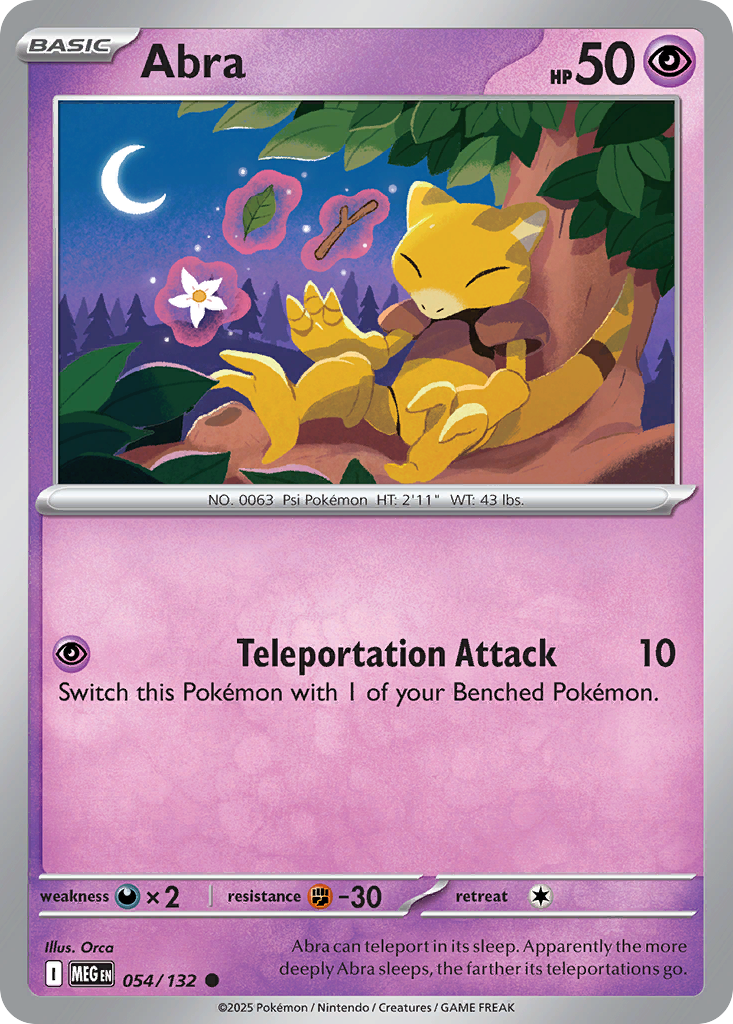
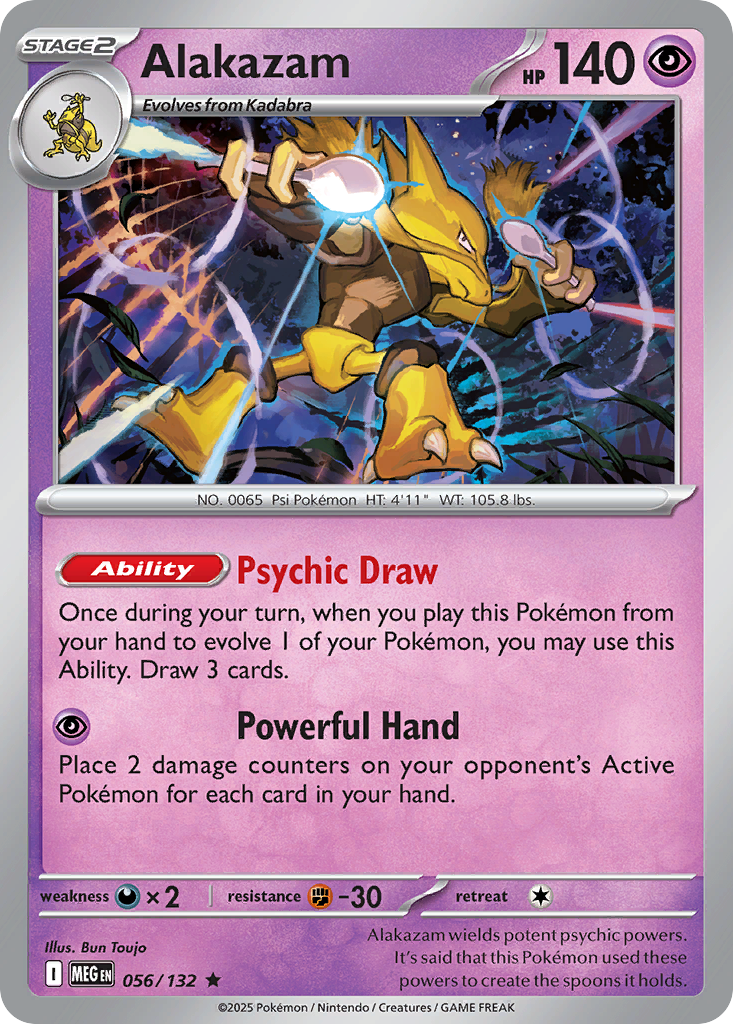
Your win condition is Alakazam (ME1) and its Powerful Hand attack: for one Psychic Energy it places 2 damage counters on the opponent's Active Pokémon for every card in your hand. Ten cards is 200, thirteen is 260, sixteen is 320 — so the whole deck is a hand-size engine, which is exactly the combo skeleton the meta's Alakazam Dudunsparce lists are winning on. The rules detail that makes this deck beat things it shouldn't: placing damage counters is not "damage." It goes straight through Mega Evolution damage reduction, through Sylveon-style "prevent all damage from Pokémon ex," through Frost Barrier and Bastiodon-type walls, and it can't be blanked by Resistance. The trade-off is that Weakness doesn't apply either, so you are always doing exactly 20 per card — count your hand before you attack, not after.
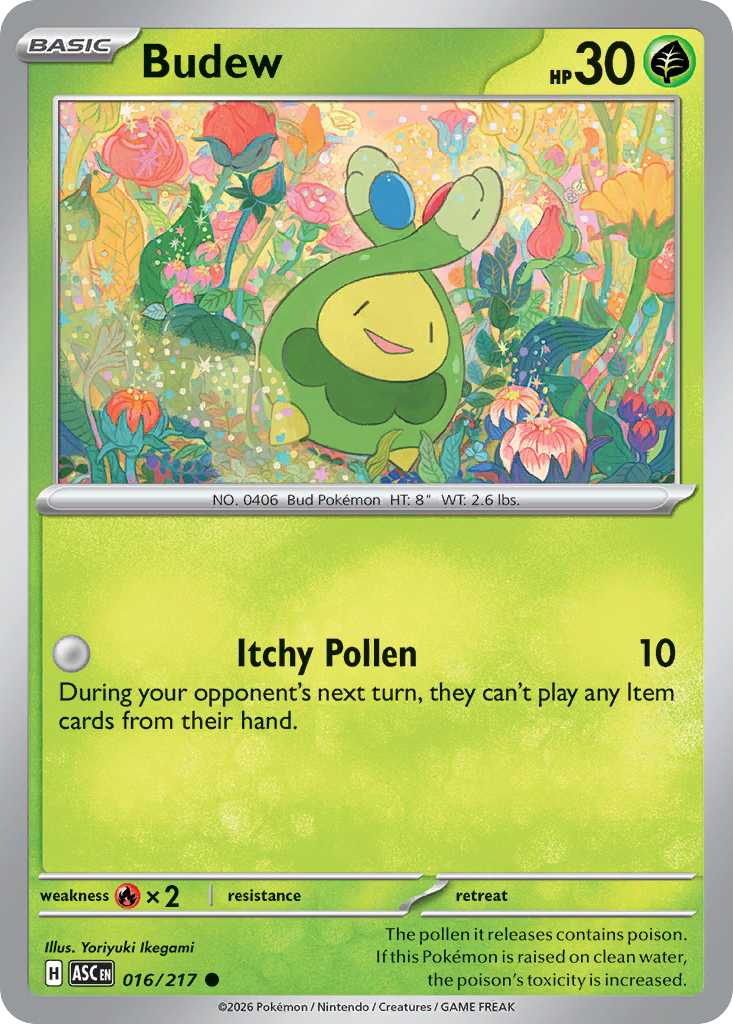
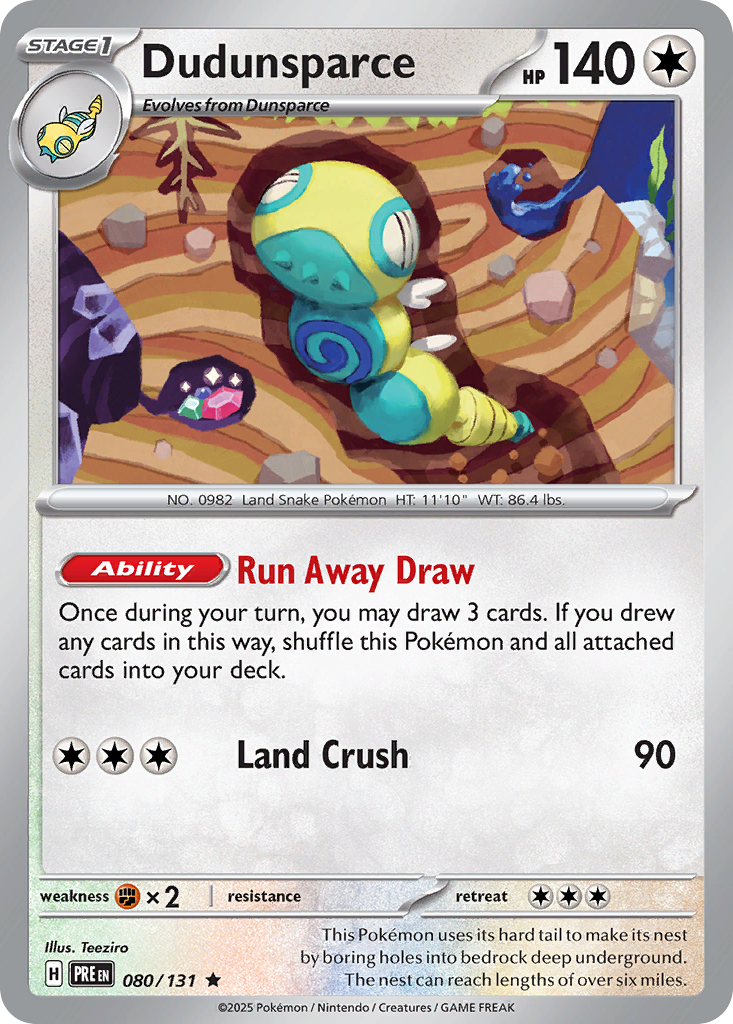
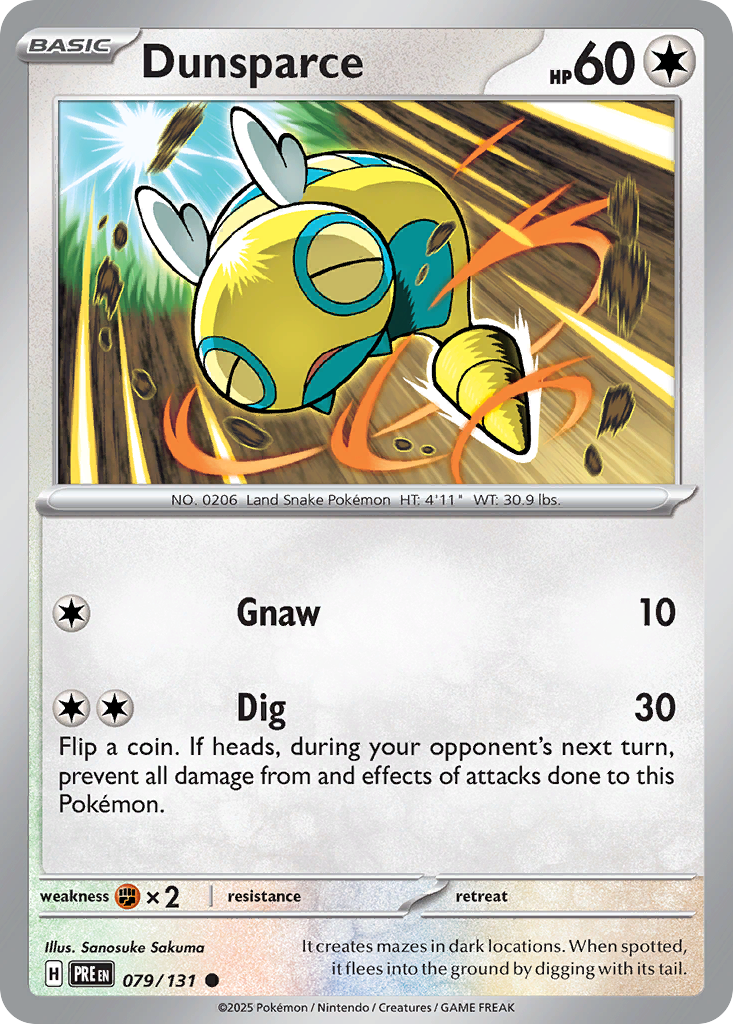
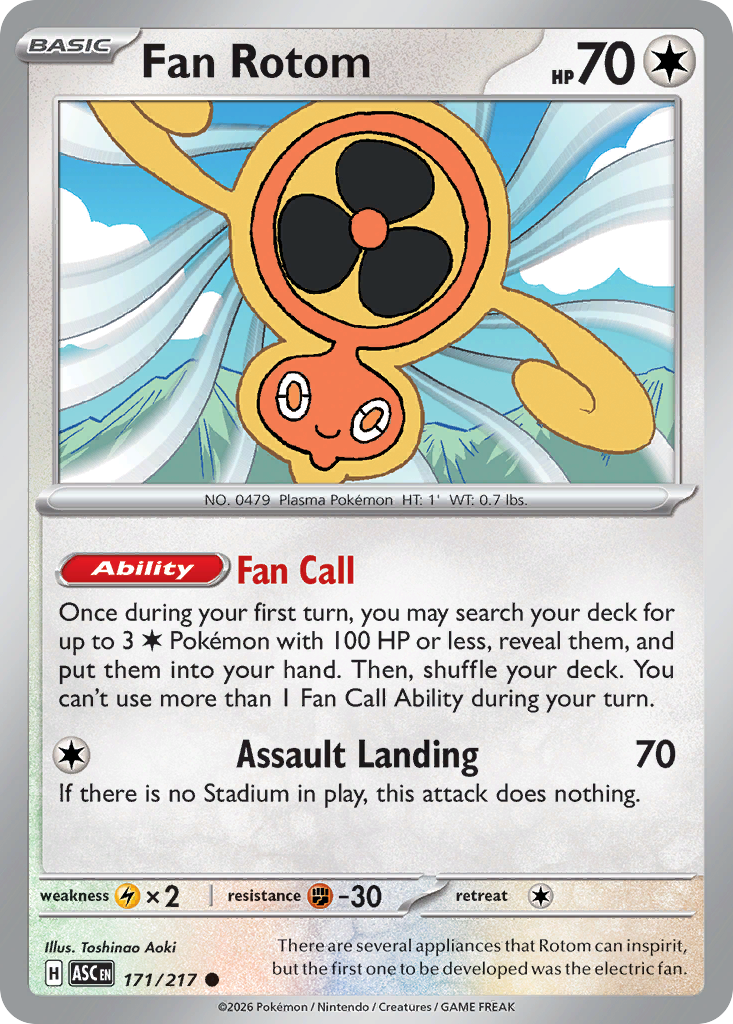
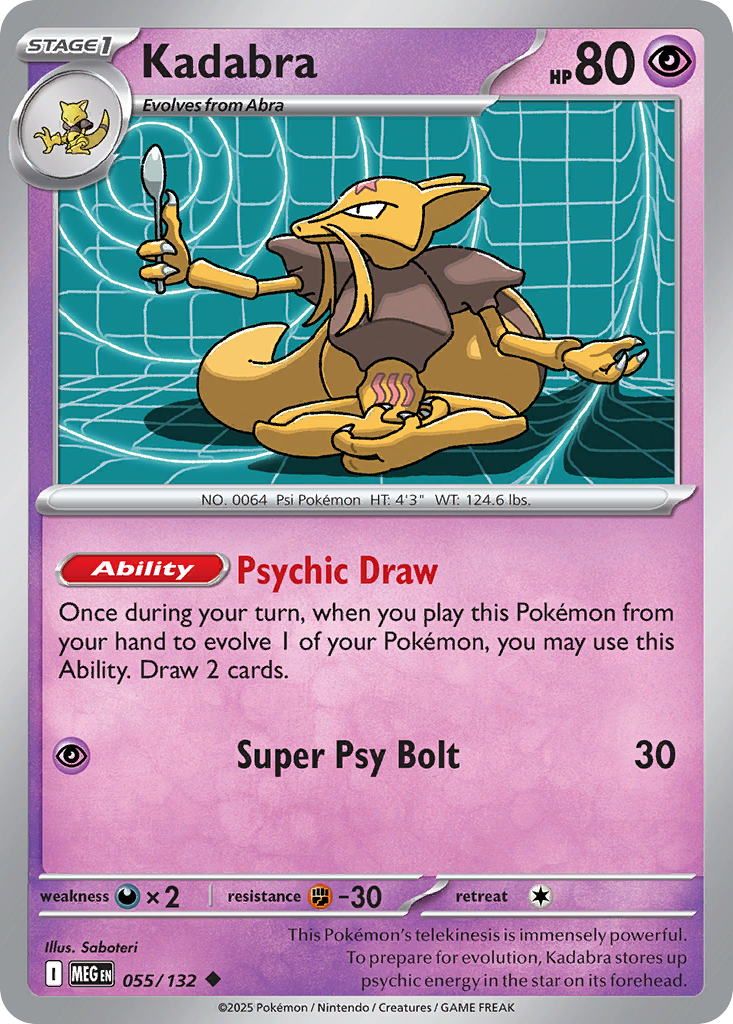
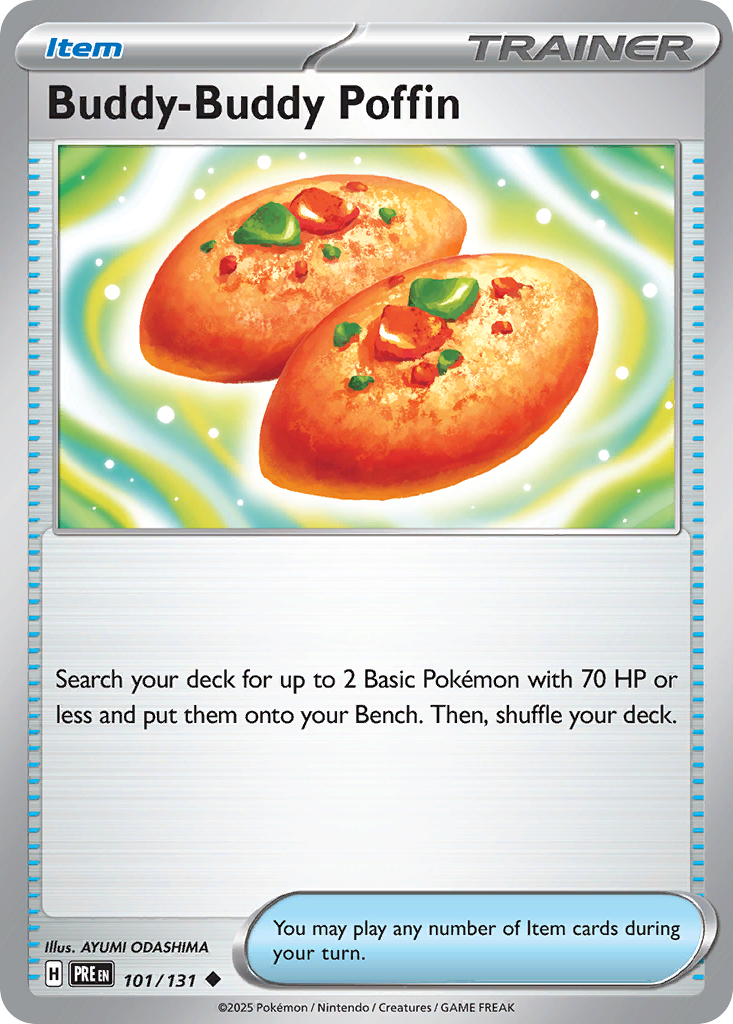
The Basic count was the weak point and Fan Rotom fixes it twice over: it is itself a Basic, and Fan Call on your first turn searches out three Colorless Pokémon with 100 HP or less — Dunsparce is Colorless with 60 HP, so one Fan Rotom loads your whole draw engine into hand at once. Ideal turn 1: Fan Call for three Dunsparce, or Buddy-Buddy Poffin for Abra plus Dunsparce (both under 70 HP), bench a Budew, and pass with Budew Active if you're going second so their Items are locked. Turn 2 the combo turns on: Rare Candy straight to Alakazam (Psychic Draw, +3 cards) or evolve through Kadabra (+2), then evolve every Dunsparce into Dudunsparce — each one is a separate copy of Run Away Draw for +3, and they shuffle themselves back so Poffin and Fan Call can refetch fresh Dunsparce later.
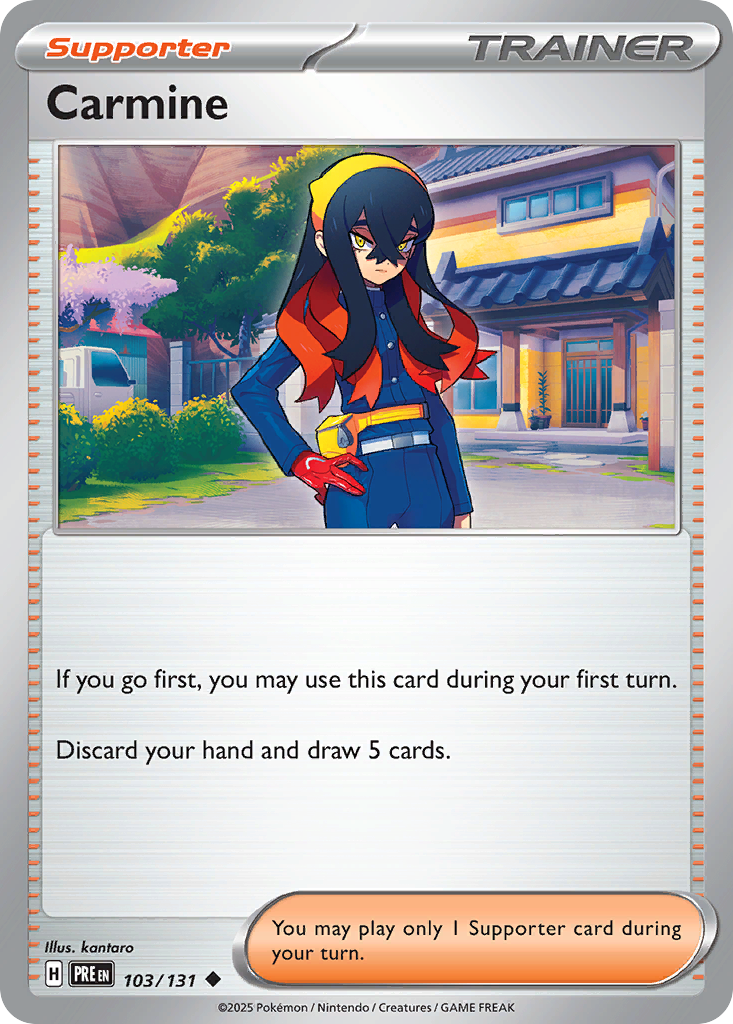
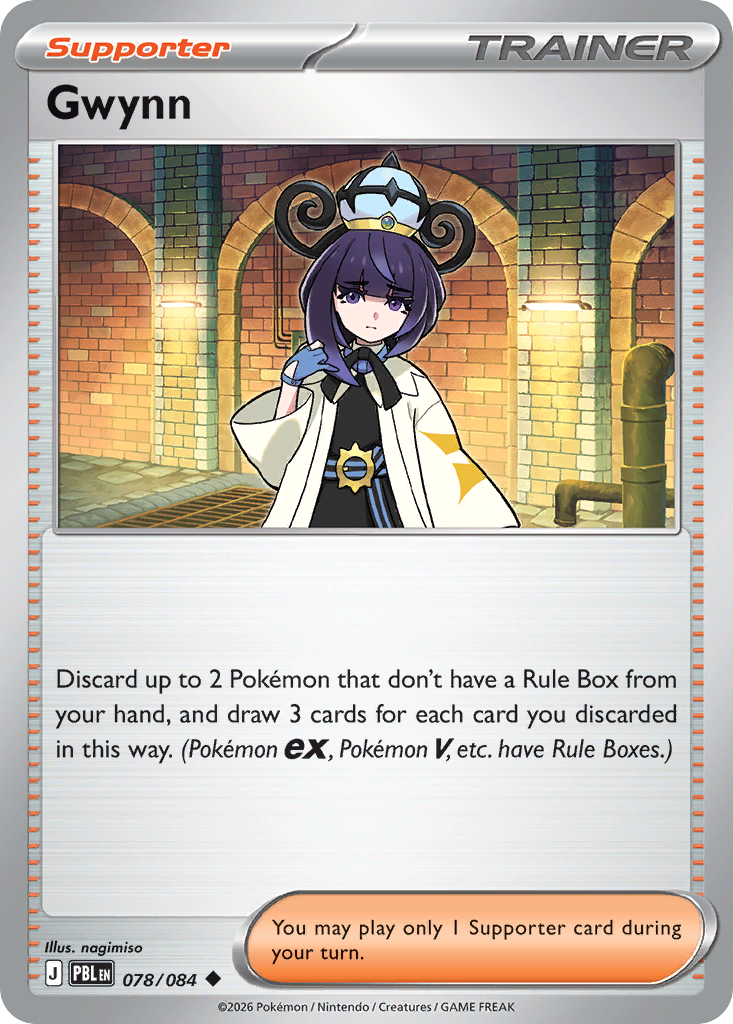
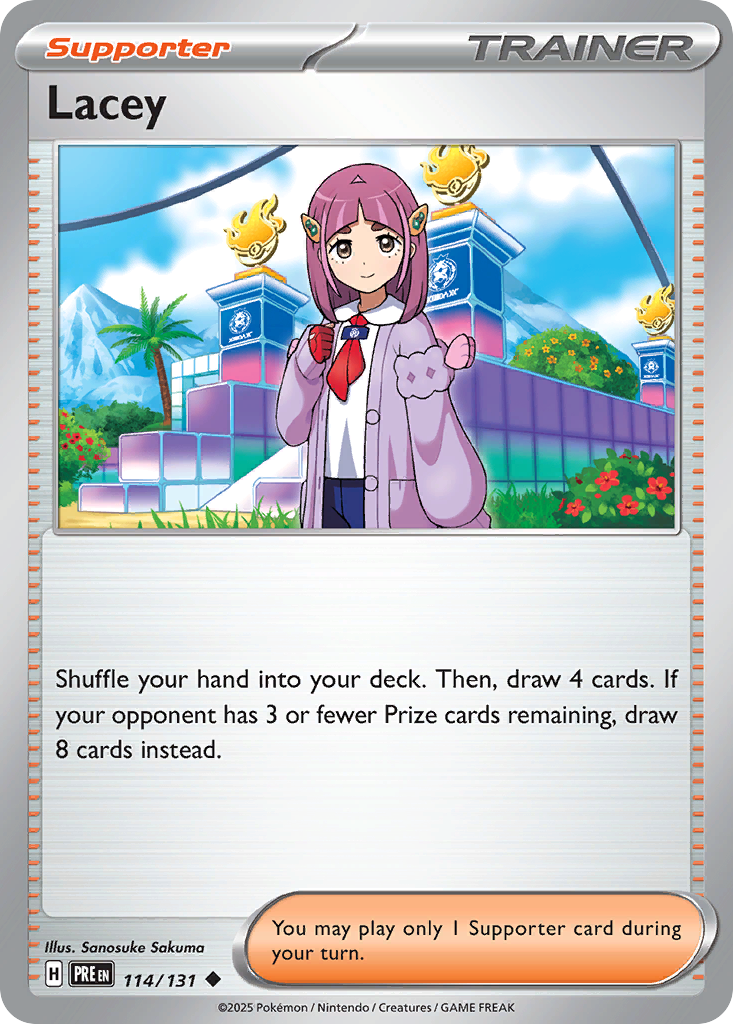
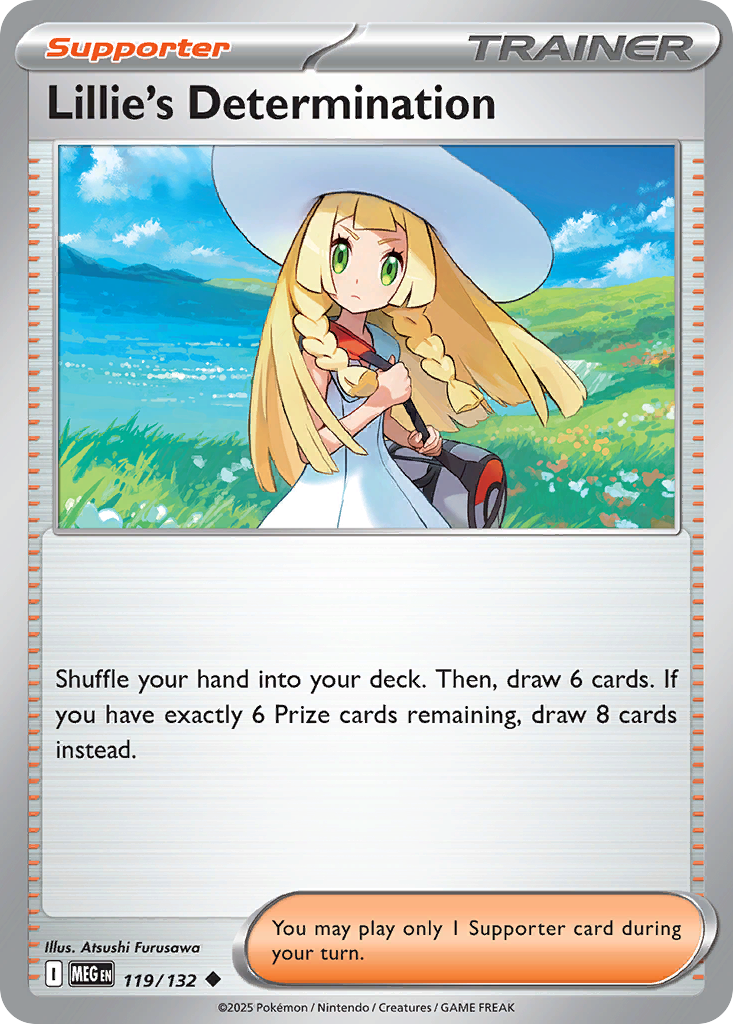
Sequencing rule to internalise: shuffle-draw supporters (Lacey, Lillie's Determination, Carmine, Professor's Research) go FIRST in a turn, because Abilities are additive and those supporters overwrite whatever you've already built. Gwynn is usually the best supporter here — pitch two spent Abra, Kadabra or Dunsparce and draw six for a net gain with no shuffle. Lacey is the late-game bomb (8 cards once they're at three or fewer Prizes, which alone is 160 damage). Search first, attack last.
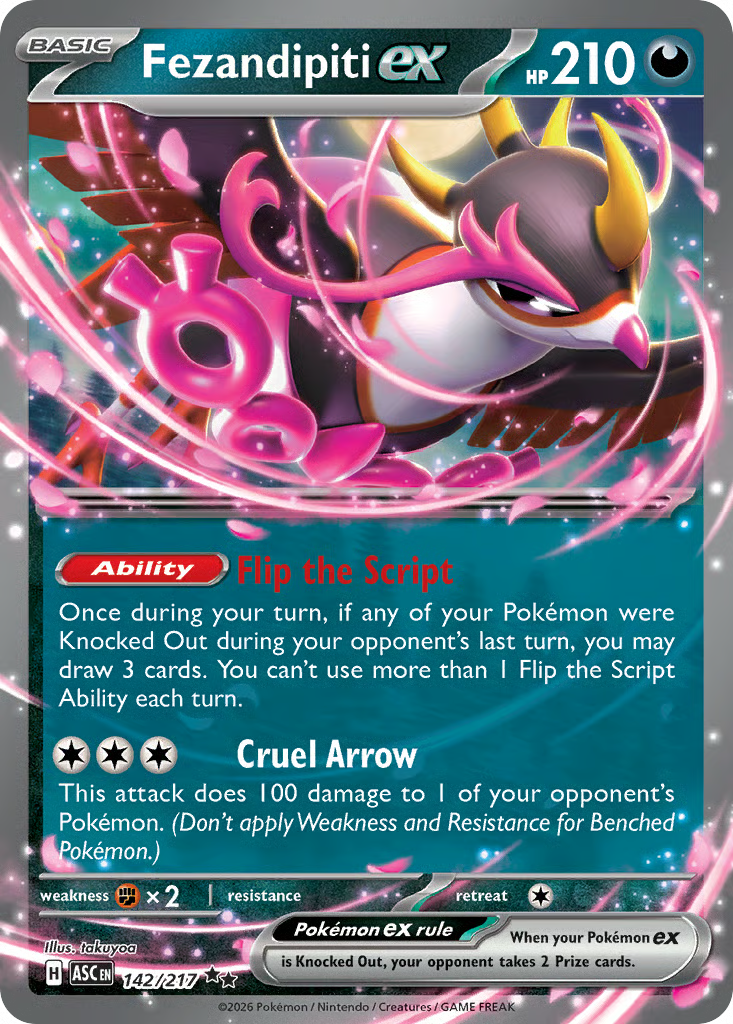
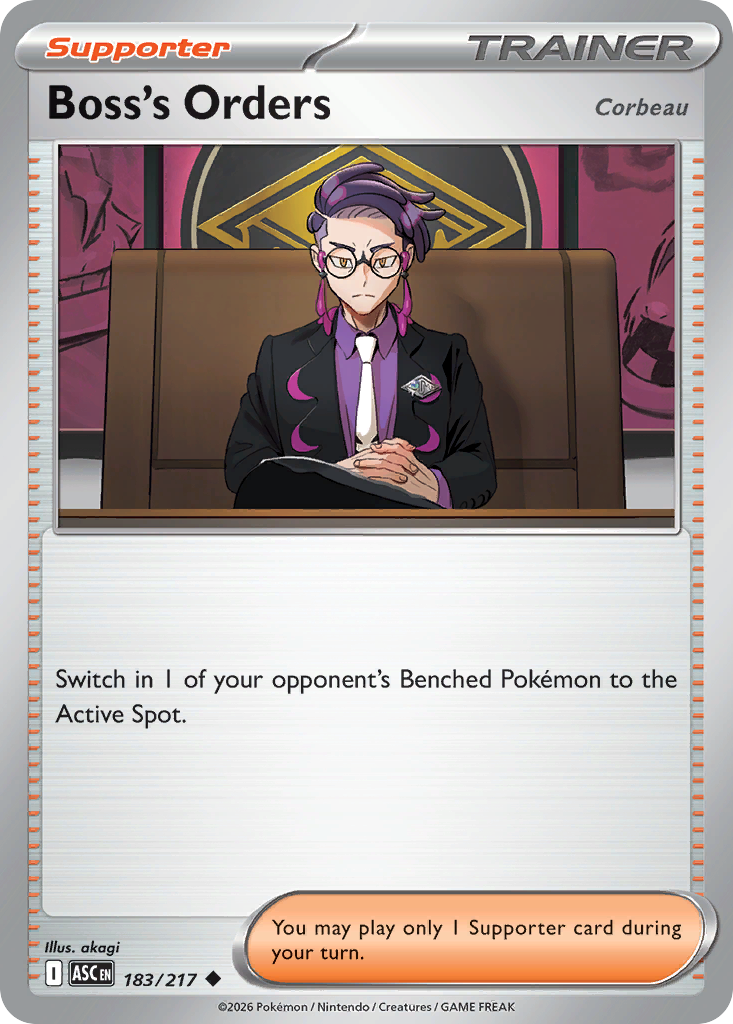
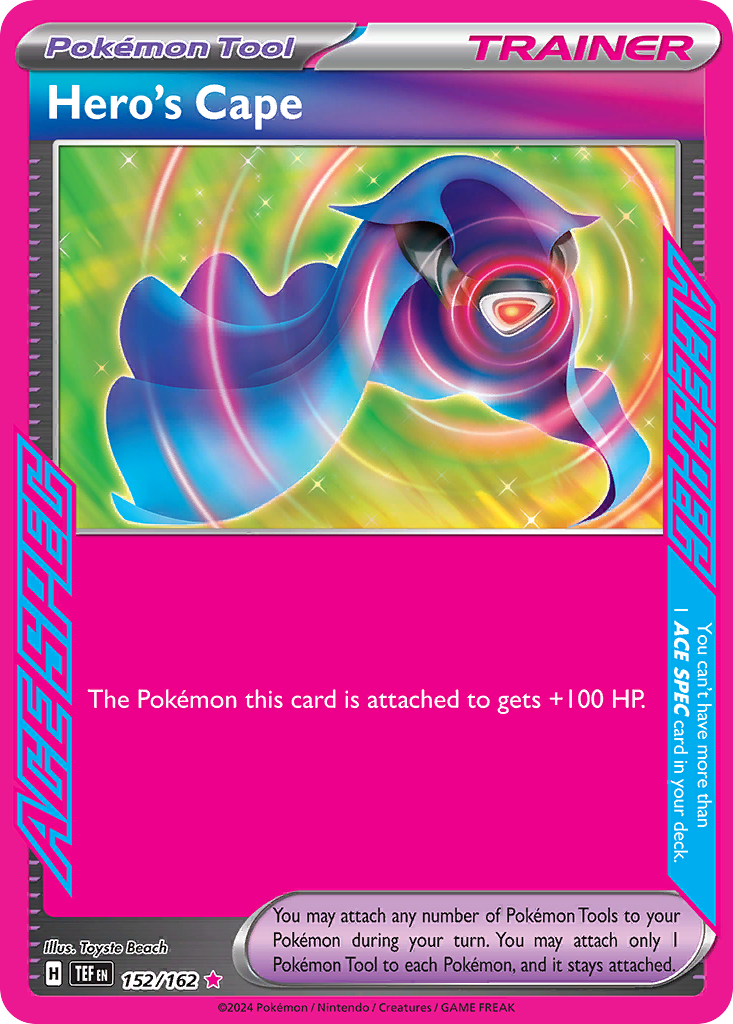
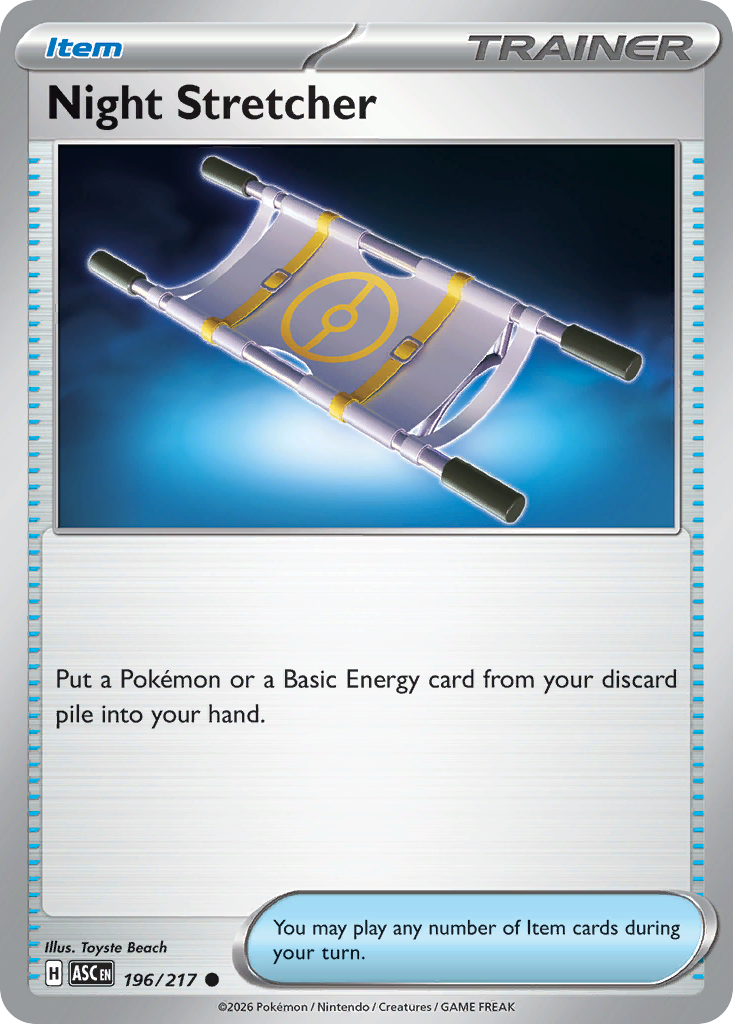
Hero's Cape is the single ACE SPEC and belongs on the Active Alakazam: 240 HP means Phantom Dive, Shadow Bullet and most 200-damage Mega attacks fail to one-shot a one-Prize attacker, which is how you win the Prize race — they need six knockouts while you need three on their ex. Night Stretcher rebuilds the Alakazam line out of the discard, Boss's Orders drags up the Dragapult, Zoroark or Grimmsnarl hiding on the bench, and Fezandipiti ex refuels three cards right after they finally take a Prize. Against 330 HP Megas you usually need two attacks; that's fine, because you rebuild with Rare Candy and they can't afford the trade. About a tenth of your collection arrived without attack text this build, so there may be another partner line in there I couldn't read — this shell uses only cards whose text I could verify.
Deck check: 60 cards · 15 Basics (mulligan 12%) · 18 draw/search trainers (in 93% of opening hands) · 6 energy vs avg attack cost 1.4
You own 58 of the deck's 60 cards. The 2 missing copies cost about $41.98.
Deck stats24 Pokémon · 30 Trainer · 6 Energy
Card types
All 60 cards by type
- Pokémon24 40%
- Trainer30 50%
- Energy6 10%
24 Pokémon cards
- Basic15
- Stage 15
- Stage 24
Each Pokémon by its type
- Grass2
- Psychic10
- Darkness2
- Colorless10
30 Trainer cards by kind
- Supporter15
- Item14
- Tool1
- Stadium0
6 Energy cards
- Basic5
- Special1
Deck insights2 of 5 in range
What the list is built to do
Fan Rotom leads the attack; 18 draw and search Trainers keep it going.
Every line has what it evolves from
- 4Abra→2Kadabra→4Alakazam
- 4Dunsparce→3Dudunsparce
Sweet spots
How many of each job a deck usually runs, and where this list sits
- Playable from hand15 / 8–16In range023
- Plenty of draw18 / 8–16High023
- More than needed5 / 2–4High06
- Short for the attack costs6 / 8–14Low020
- Brings back what's lost2 / 1–3In range05
What each Knock Out costs you, and what hits back
- Fan Rotom70 for 1 Energy70/E
- Dudunsparce90 for 3 Energy30/E
- Kadabra30 for 1 Energy30/E
- Psychic10 asked · 5 in deckShort
10932
Opening hands
2,000 seven-card hands dealt
How these are worked out
The labels. Each card in the catalogue carries what it does — ramp, draw, removal, sweeper, protection, tutor, win condition; for Pokémon, draw, search, switch, recovery — set by the catalogue's sweep and corrected by moderators. The counts here are those labels added up over the deck. A card with no label yet counts for nothing, and the panel says how many there are.
Sweet spots. The usual count of each job for a deck of this kind. In range is a guide, not a rule — a deck built around one plan can sit outside a band on purpose.
Game plan. Stax when eight or more cards tax or lock; combo when the list holds a known combo or four tutors with finishers; control when answers and sweepers reach sixteen with the draw to find them; aggro under a 2.8 average cost with twenty creatures; midrange otherwise.
Opening hands. The deck is shuffled and dealt 2,000 times, and each figure is the share of those hands that had the thing. The same shuffle order every time, so the numbers stay put between visits; they move when the list does.
TCGdeck scans your Pokémon and Magic cards from a photo, builds decks from your collection and tells you how good they are: power, weak spots and opening hands.
Start freeSomething wrong with this deck or its name? Report it.