Three Megas, No Evolutions
Pokémon (16)
 ×1
 ×1
 ×1
 ×1
 ×2
 ×1
 ×1
 ×3
 ×1
 ×4
Trainer (32)
 ×4
 ×4
 ×4
 ×3
 ×3
 ×3
 ×1
 ×2
 ×1
 ×4
 ×2
 ×1
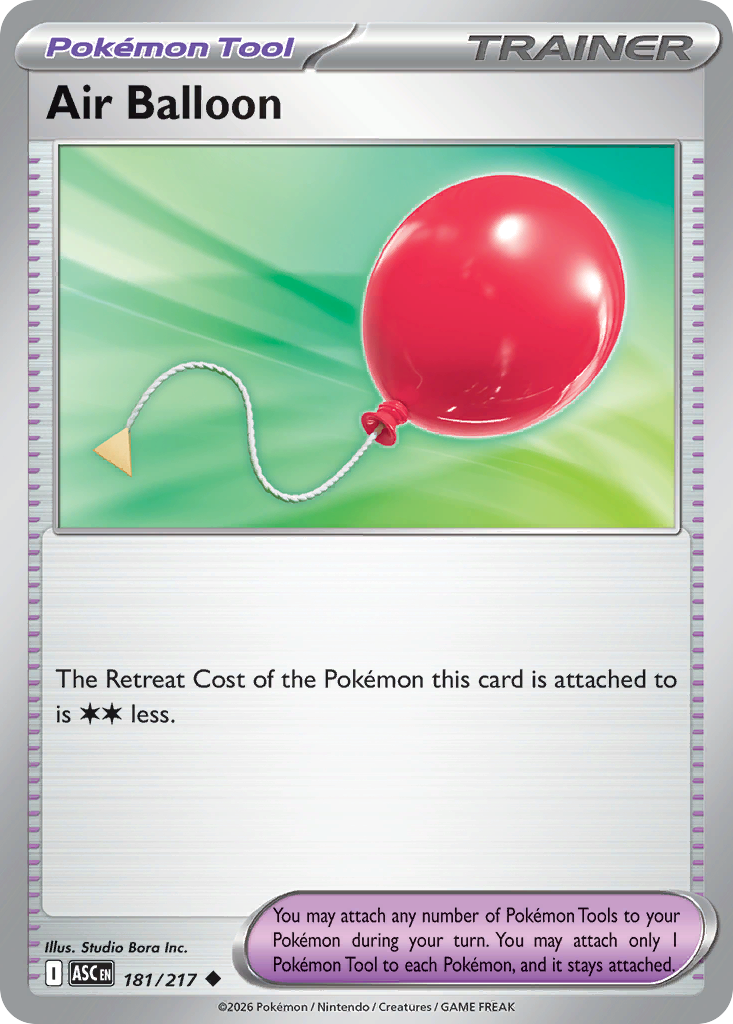
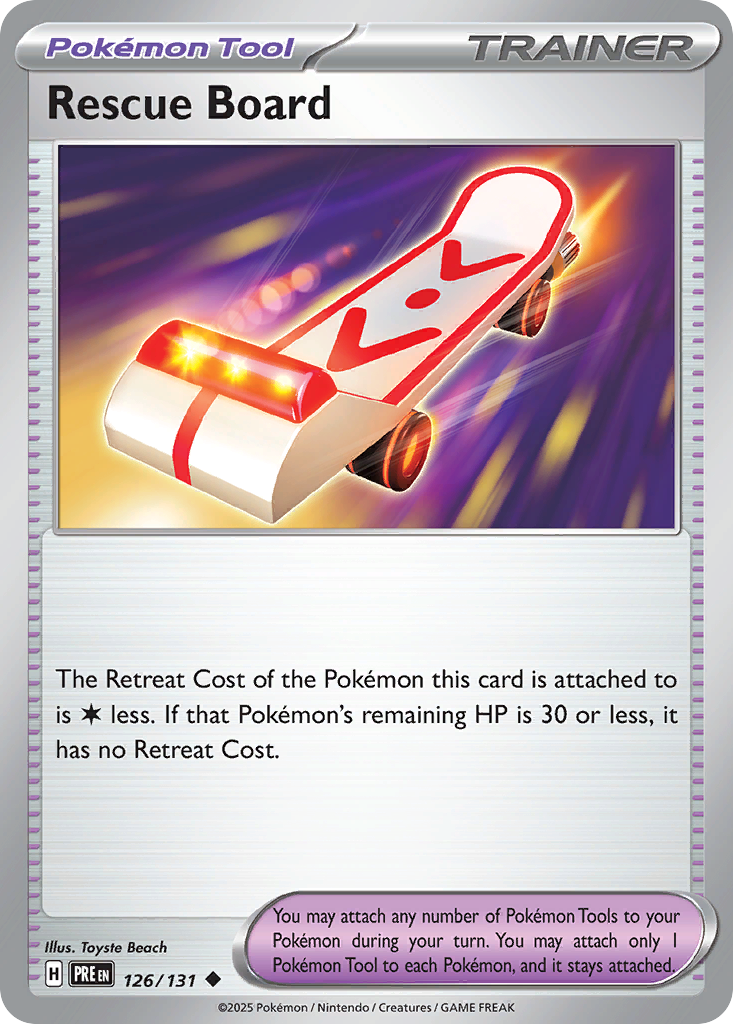
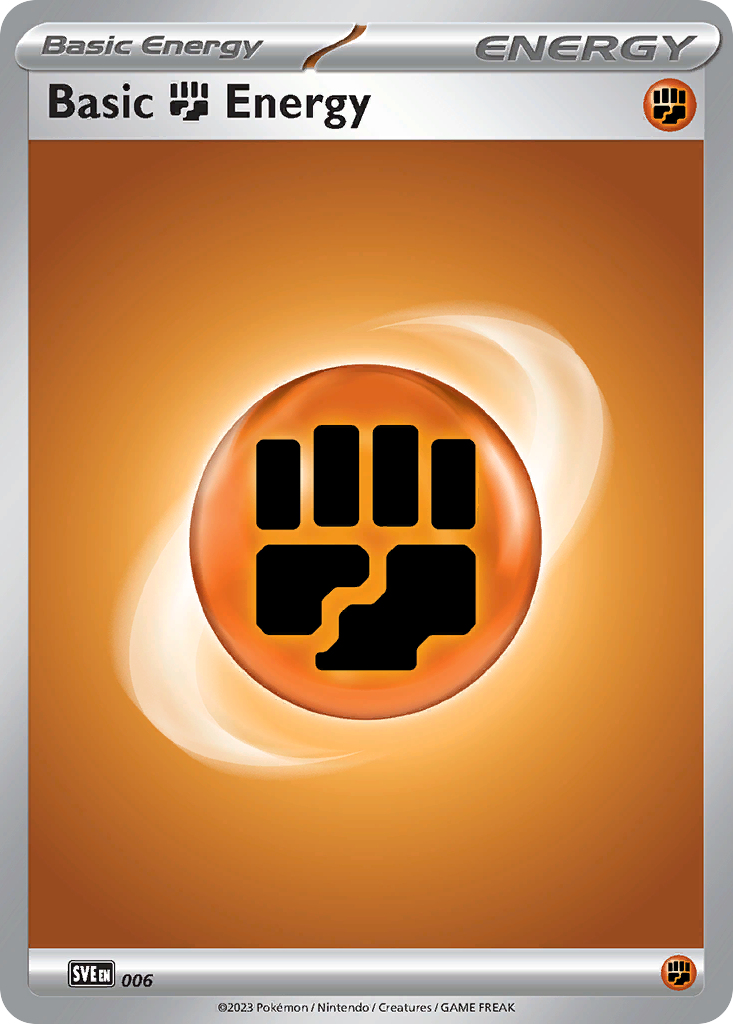
Energy (12)
 ×12
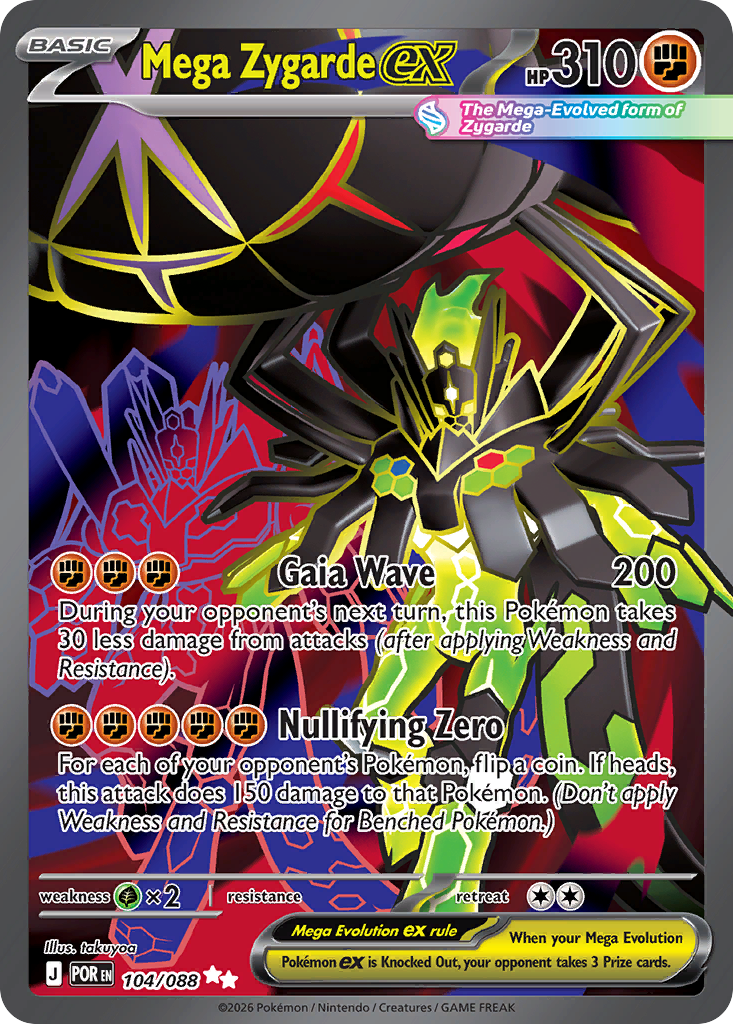
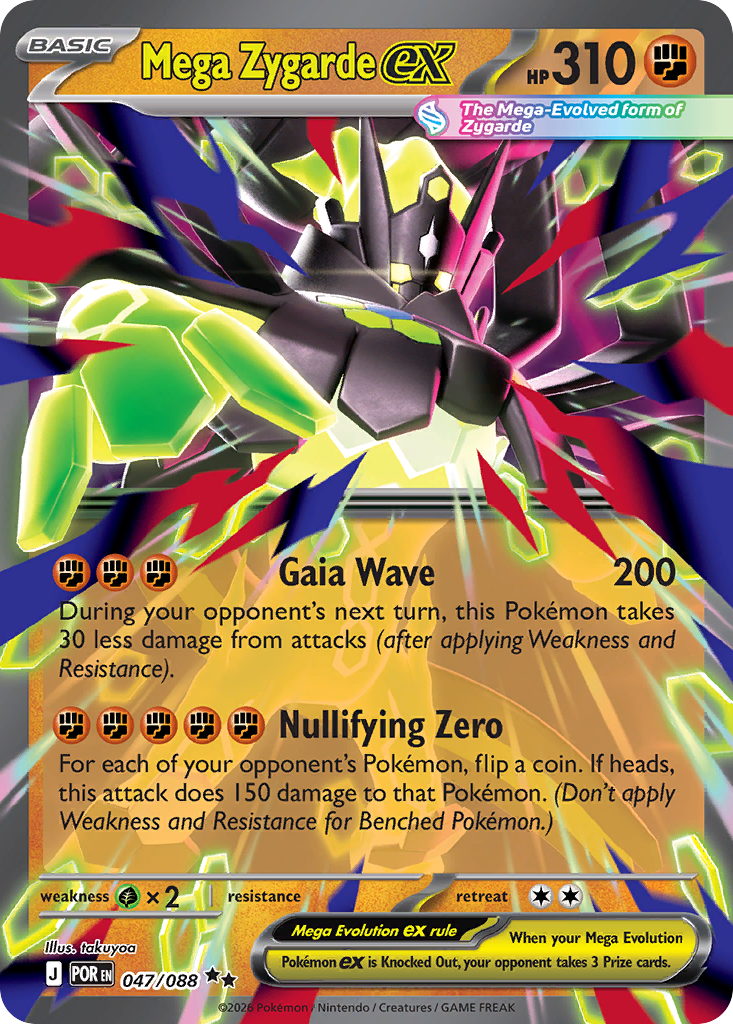
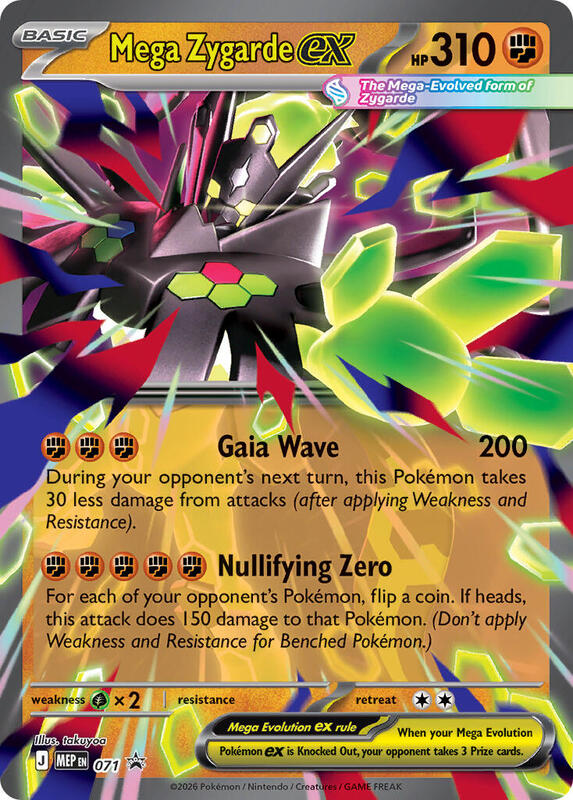
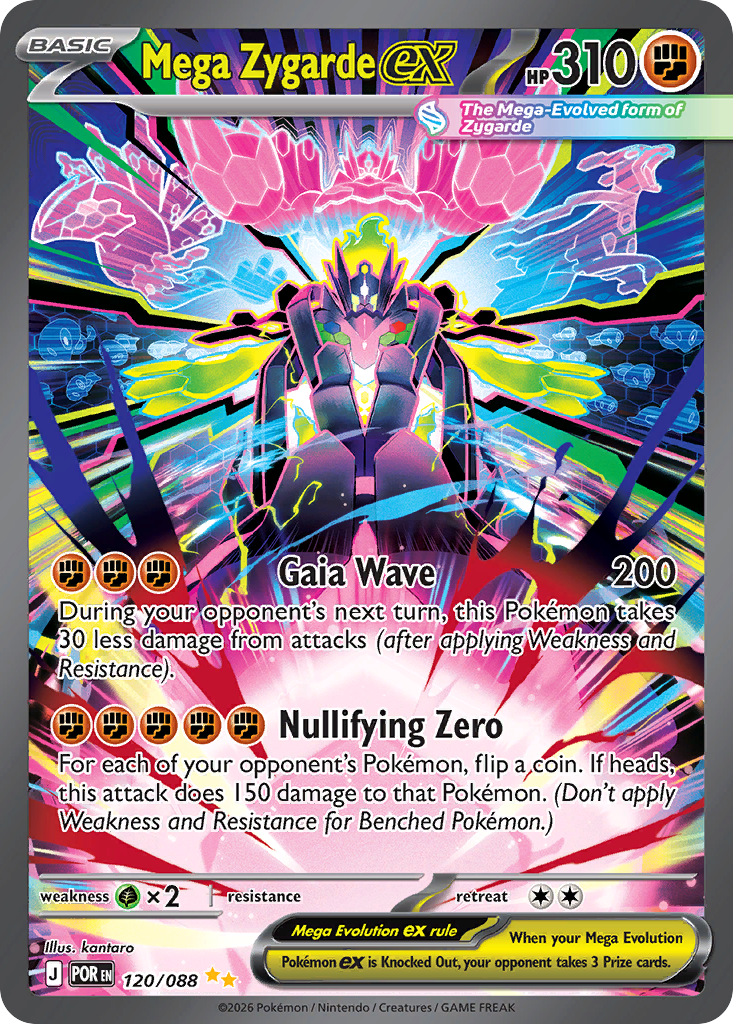
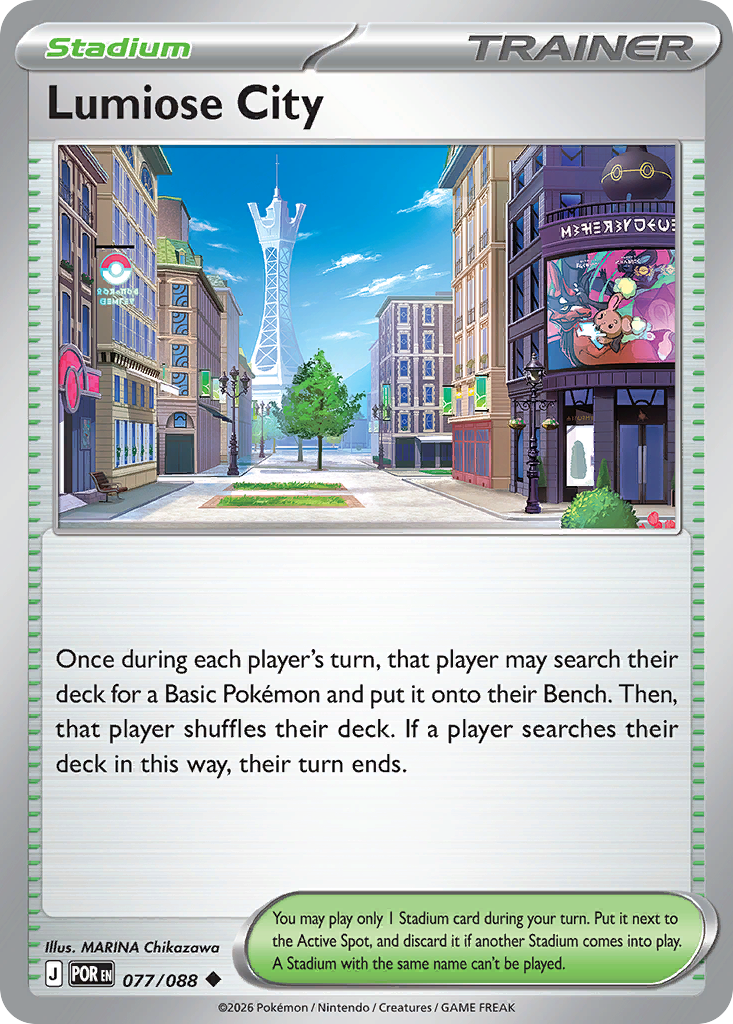
Your collection doesn't support a true combo deck built around interlocking abilities (the strongest candidate, the full "N's" ensemble that powers Anthea & Concordia, needs N's Darmanitan and N's Klinklang to evolve, and you don't own their pre-evolutions N's Darumaka or N's Klink/Klang, so that supporter can never legally activate). Instead this is the nearest honest neighbor: a Basic-only, single-prize-risk-free-of-evolution beatdown built around three Basic/MEGA/ex Pokémon that need no pre-evolution at all — Mega Zygarde ex, Mega Hawlucha ex, and Mega Kangaskhan ex — stitched together by Lumiose City, which doubles as both your Stadium (satisfying Hawlucha's damage bonus) and a free Basic Pokémon search every turn. That repeated free bench-drop is the closest thing to a real combo engine your card pool offers: it keeps dropping more Mega threats onto the bench turn after turn without using up a supporter or item slot.
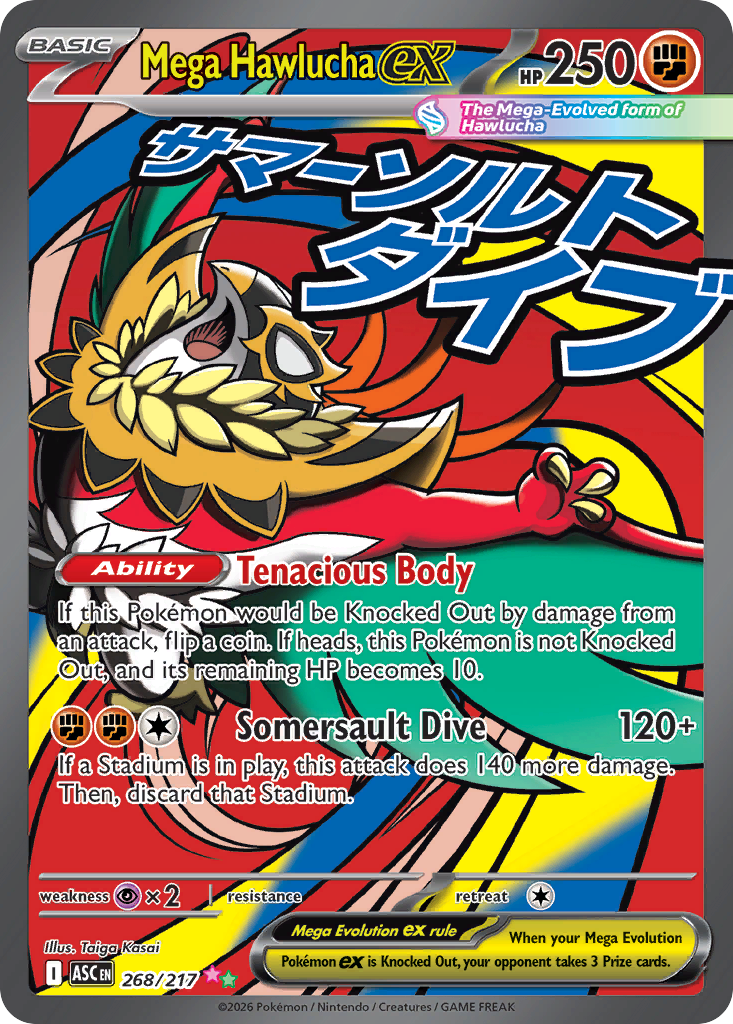
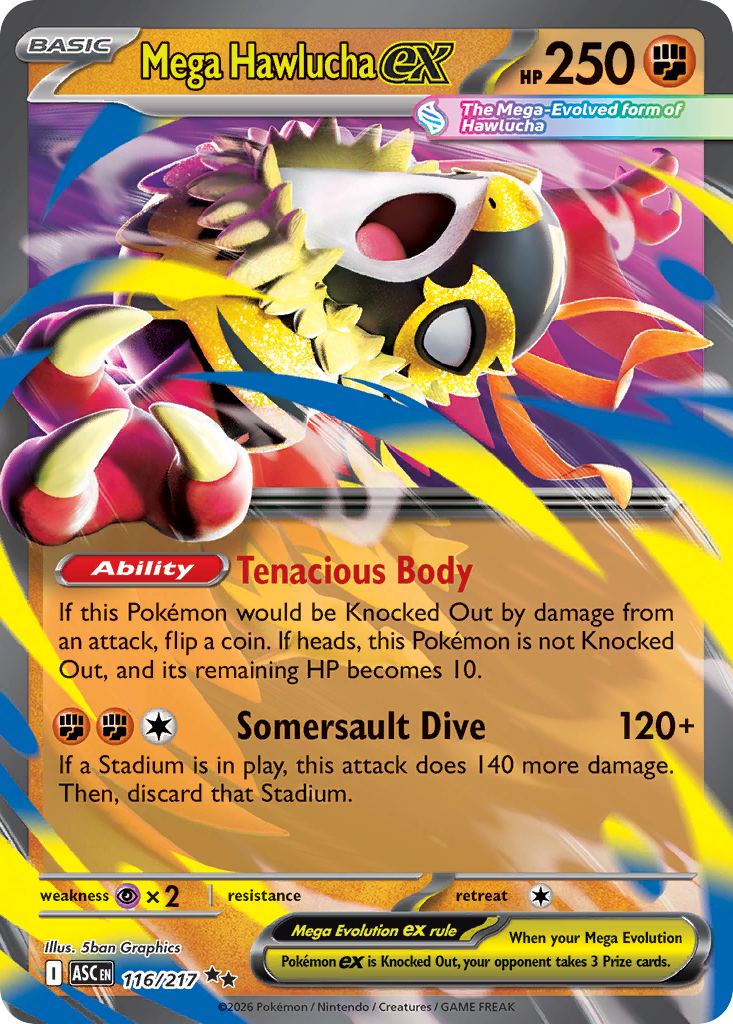
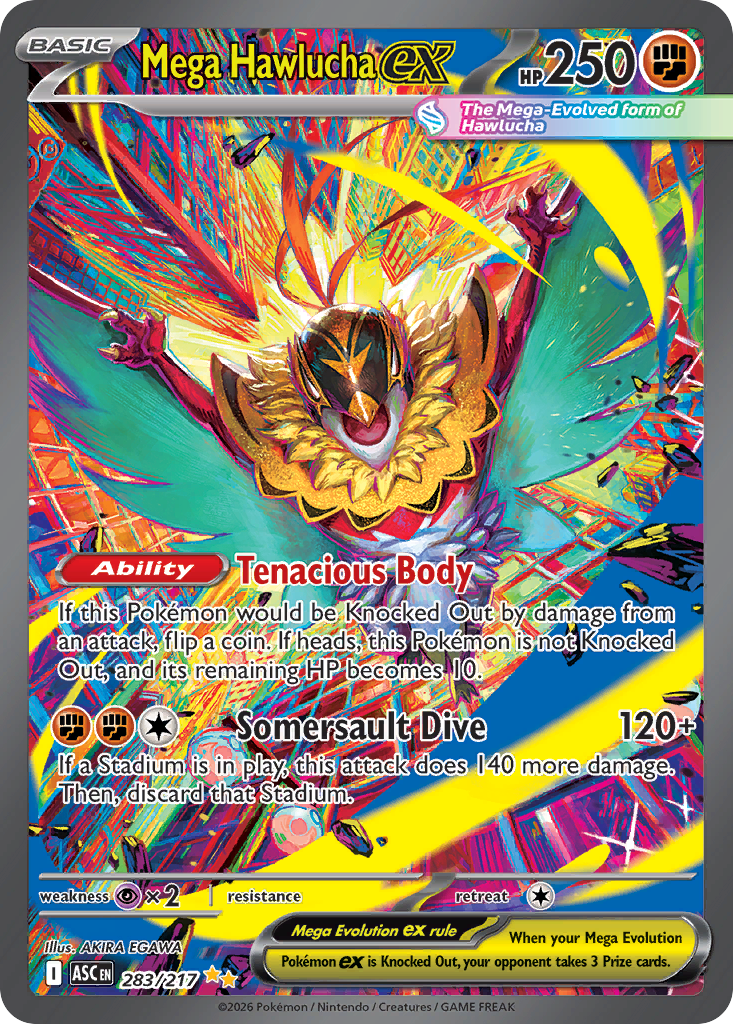
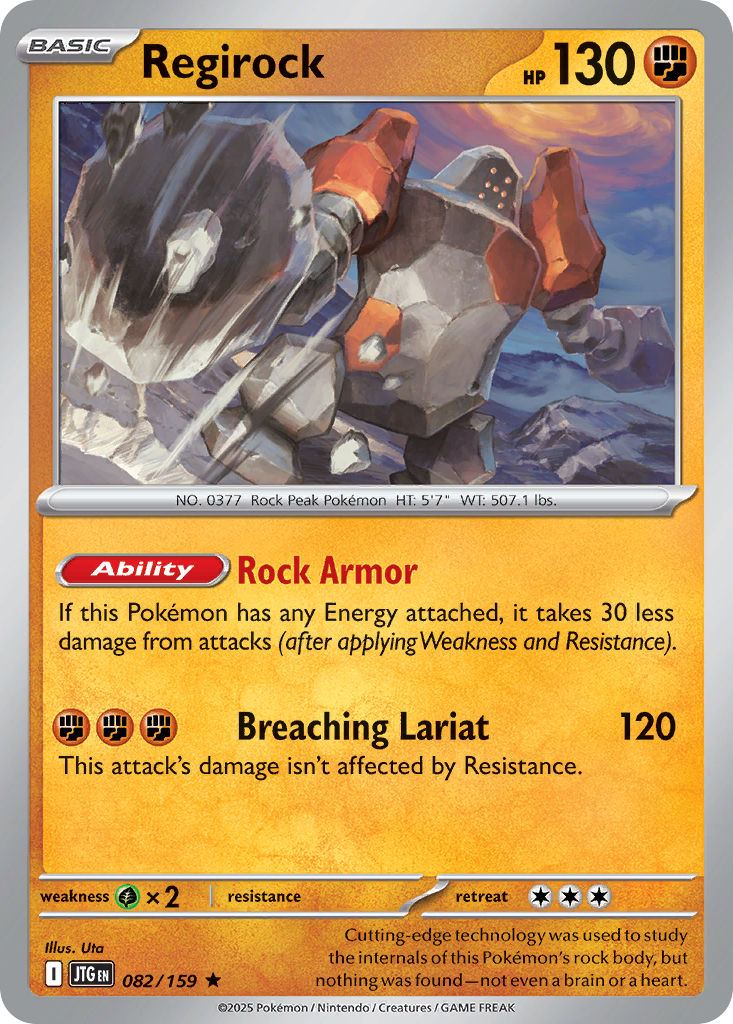
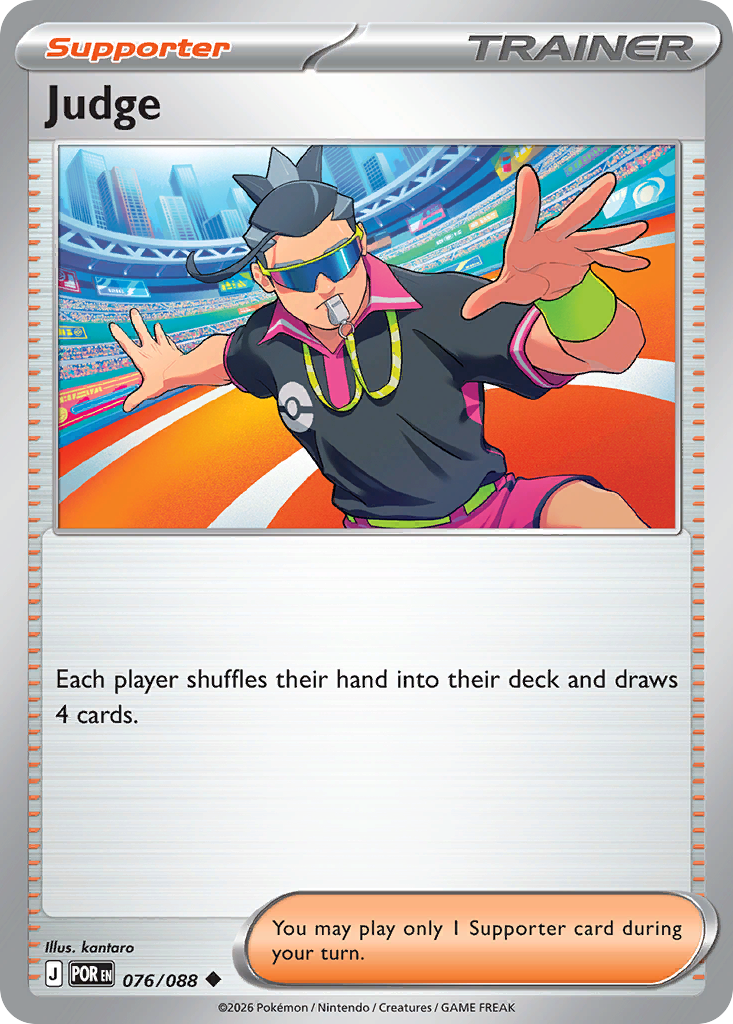
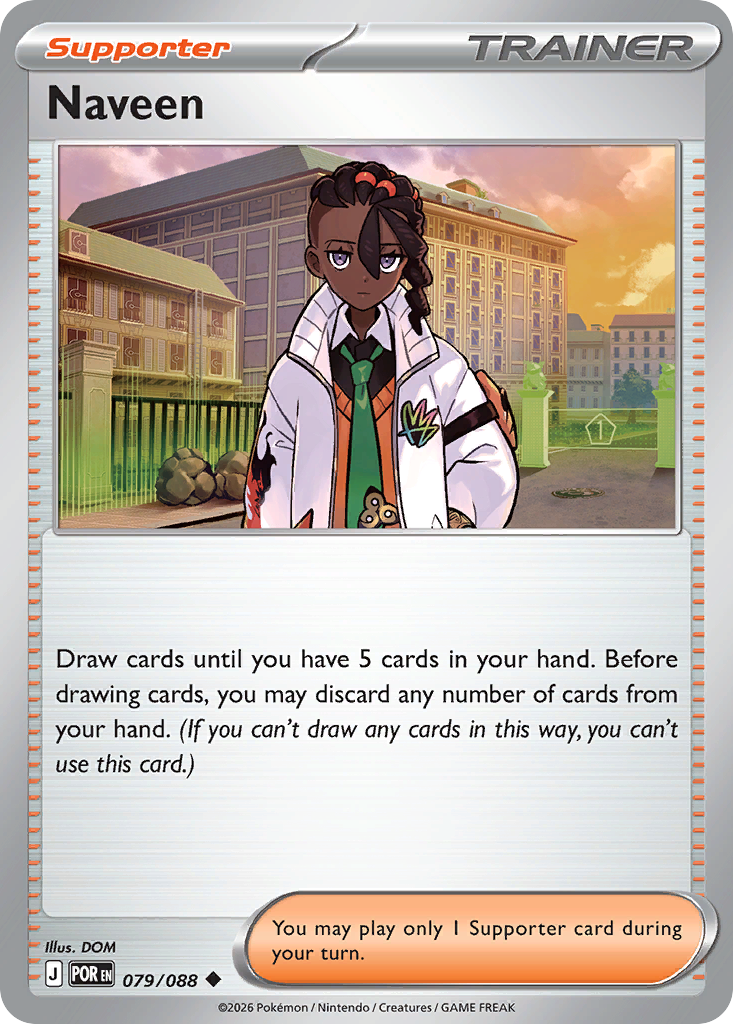
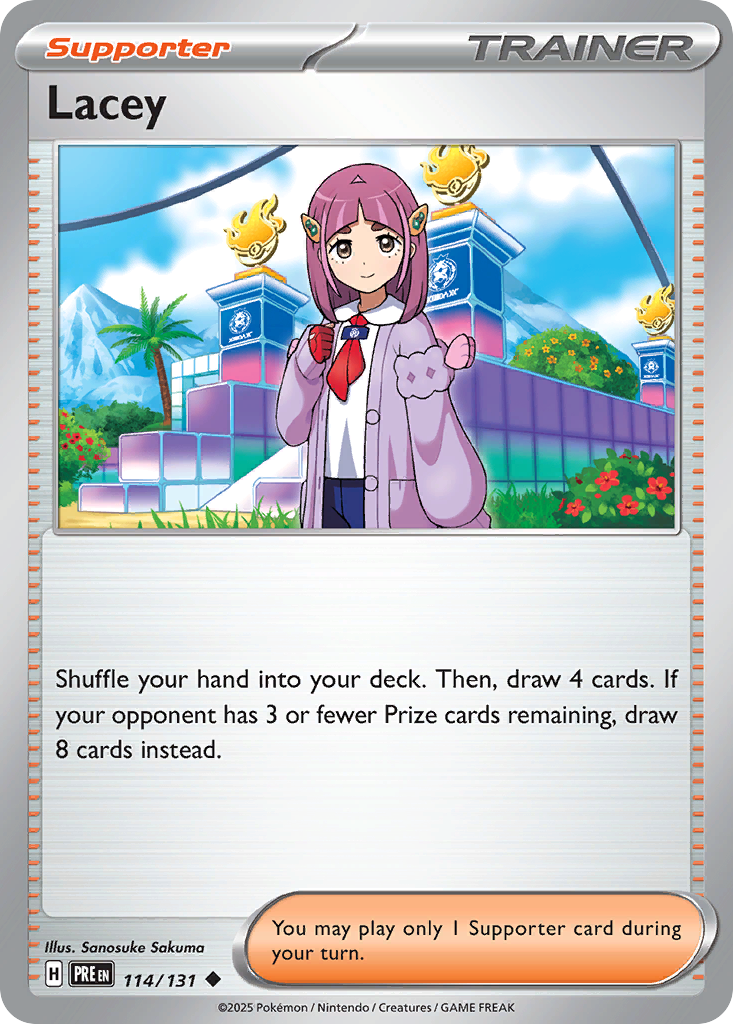
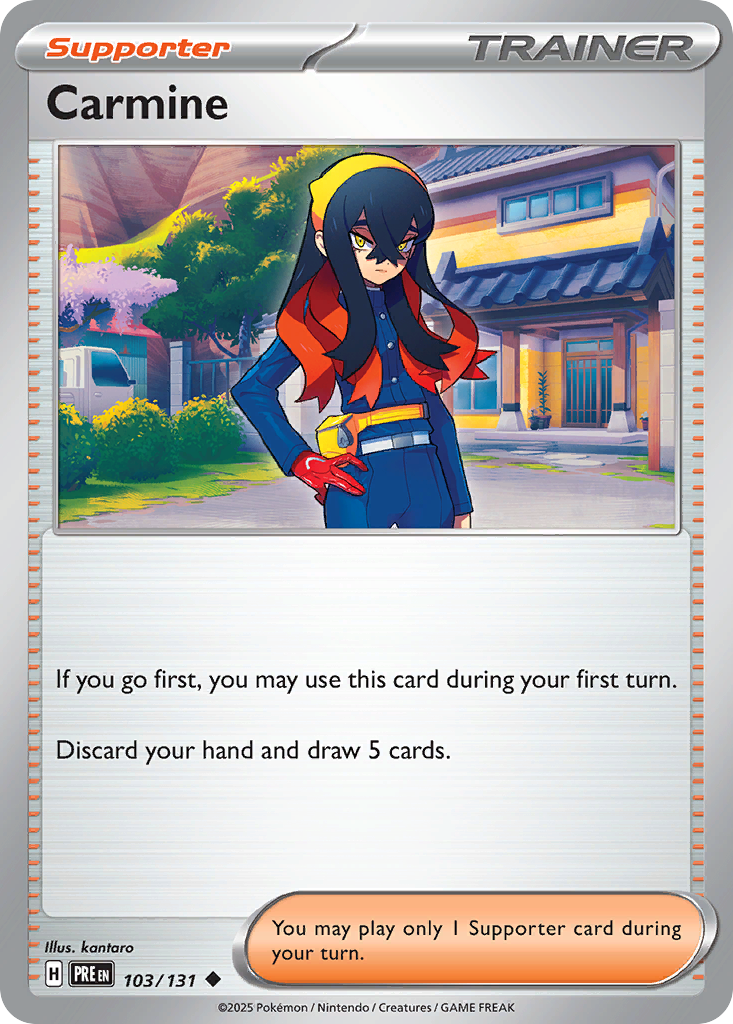
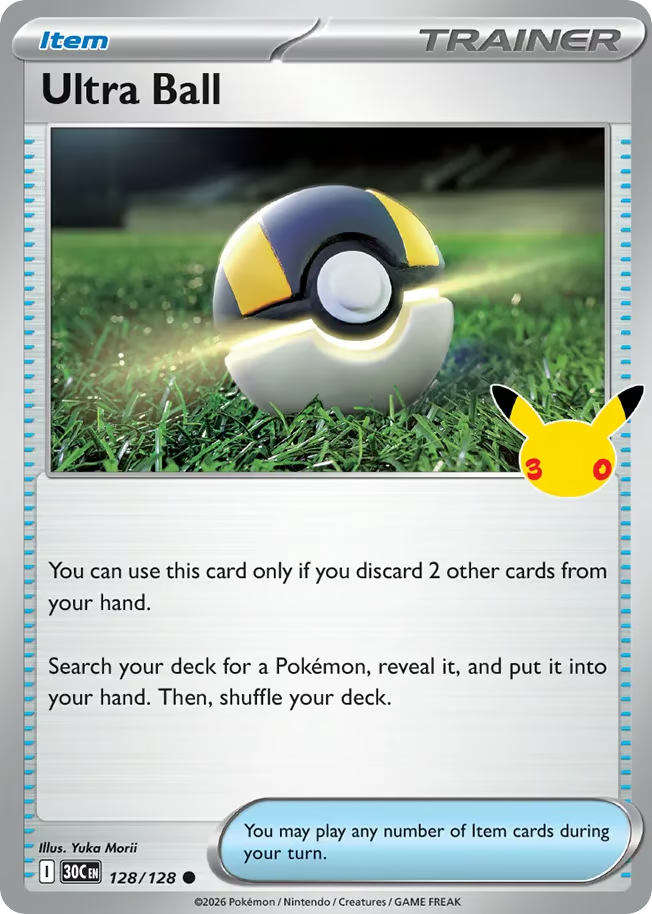
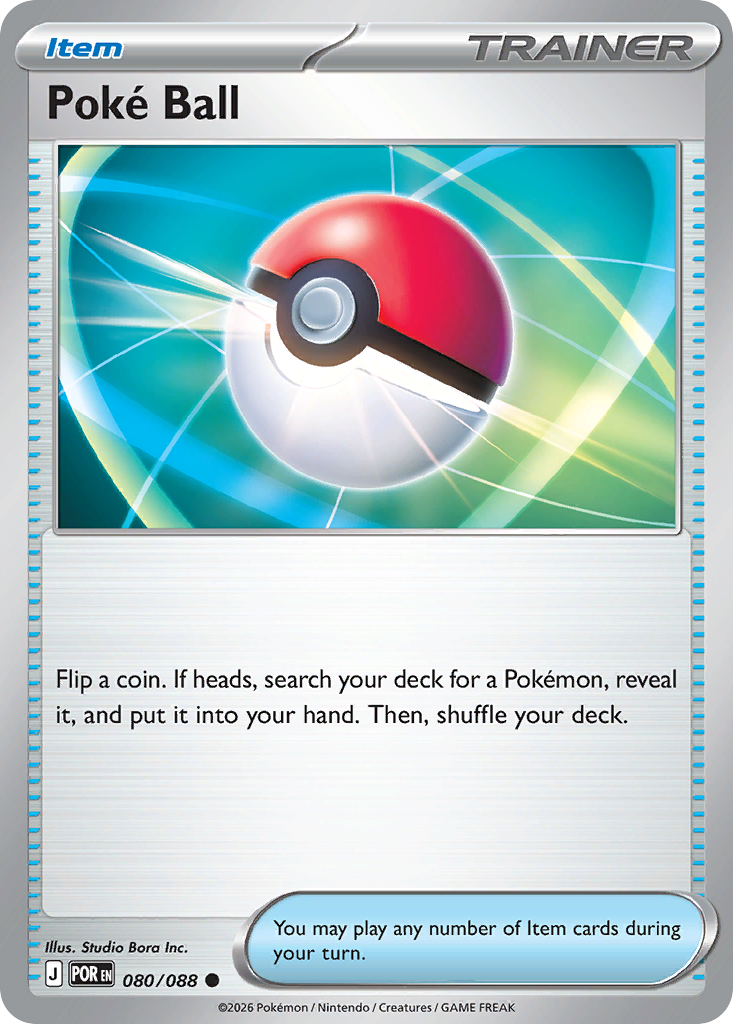
Opening turns: lead with whatever Basic you draw (Regirock is the safest wall, since Rock Armor cuts 30 damage once it has any Energy attached), and use Ultra Ball, Poké Ball, or Lumiose City's search to get a second attacker onto the bench immediately. Prioritize getting Lumiose City down turn one if you have it — every subsequent turn it refills your bench with another big body for free, and once any Stadium is in play Mega Hawlucha ex's Somersault Dive jumps from 120 to 260 damage. Attach Fighting Energy to your active attacker and lean on Naveen, Judge, Carmine, or Lacey to keep digging for the next big threat or dead draw refill.
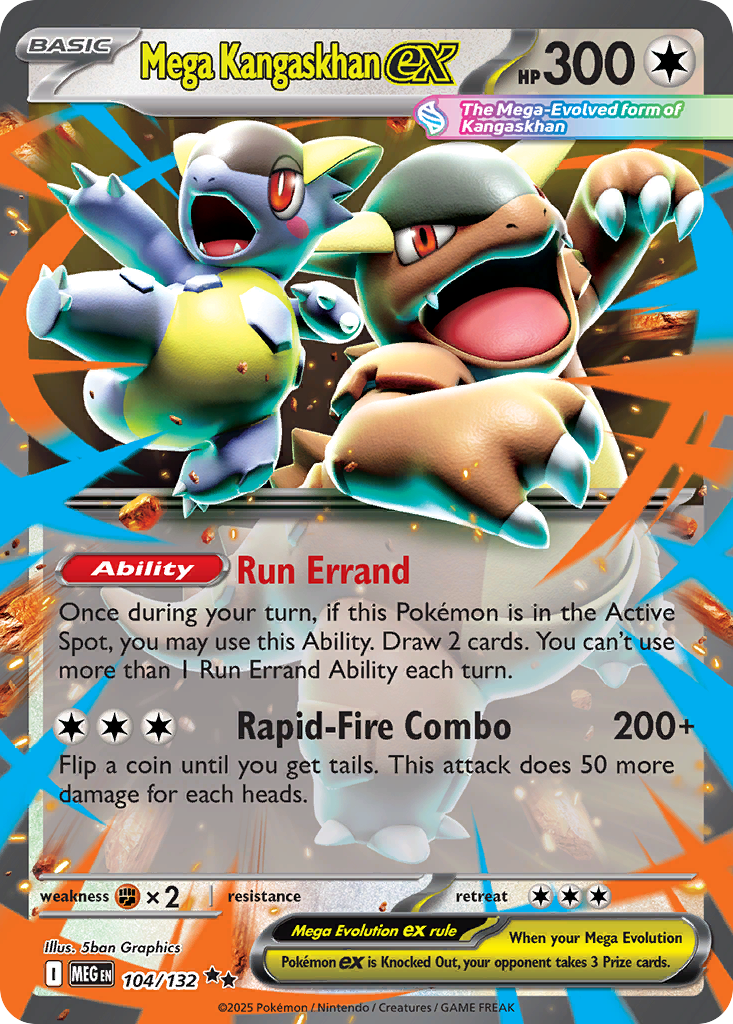
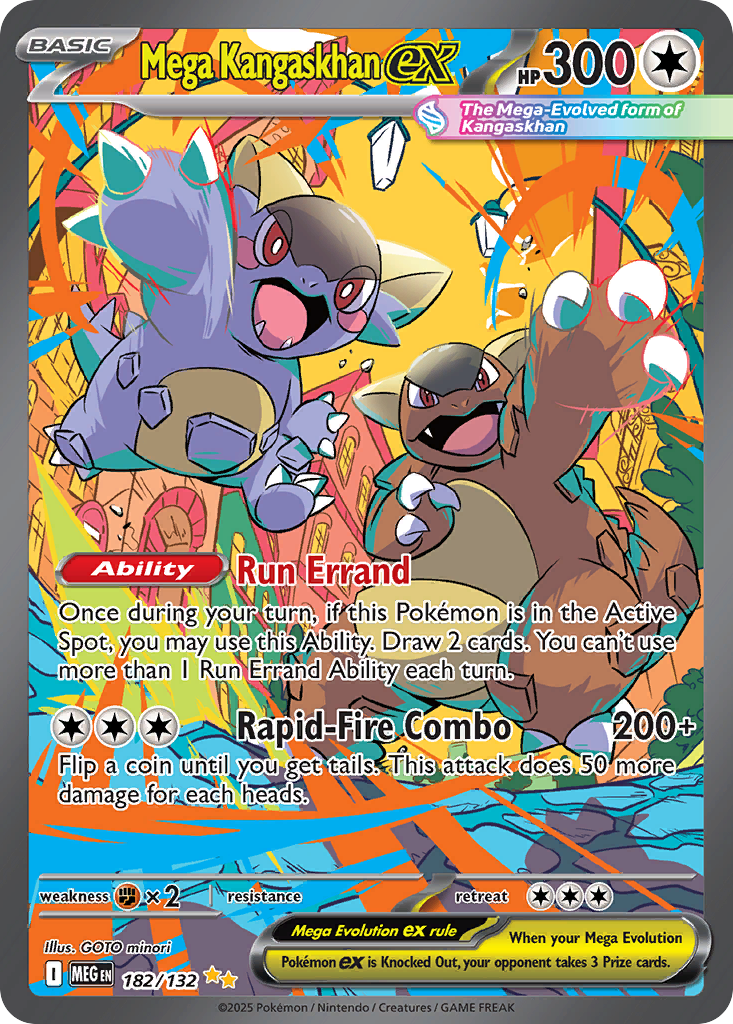
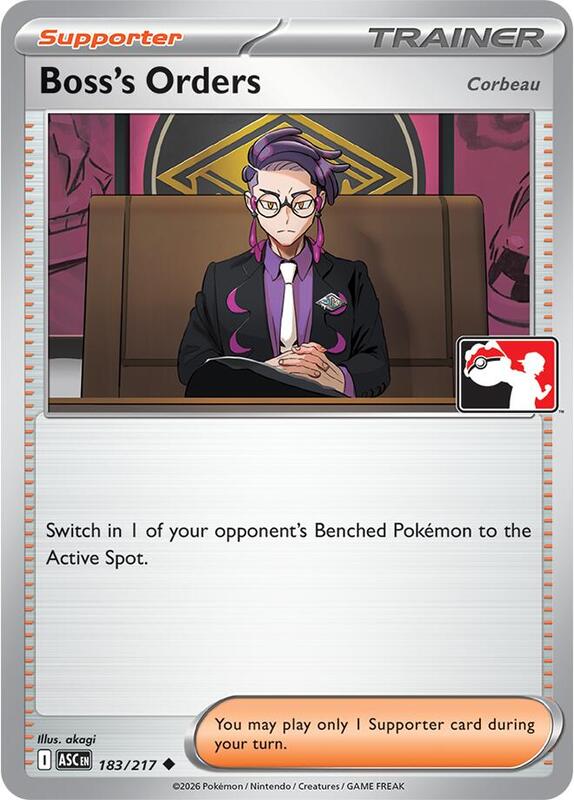
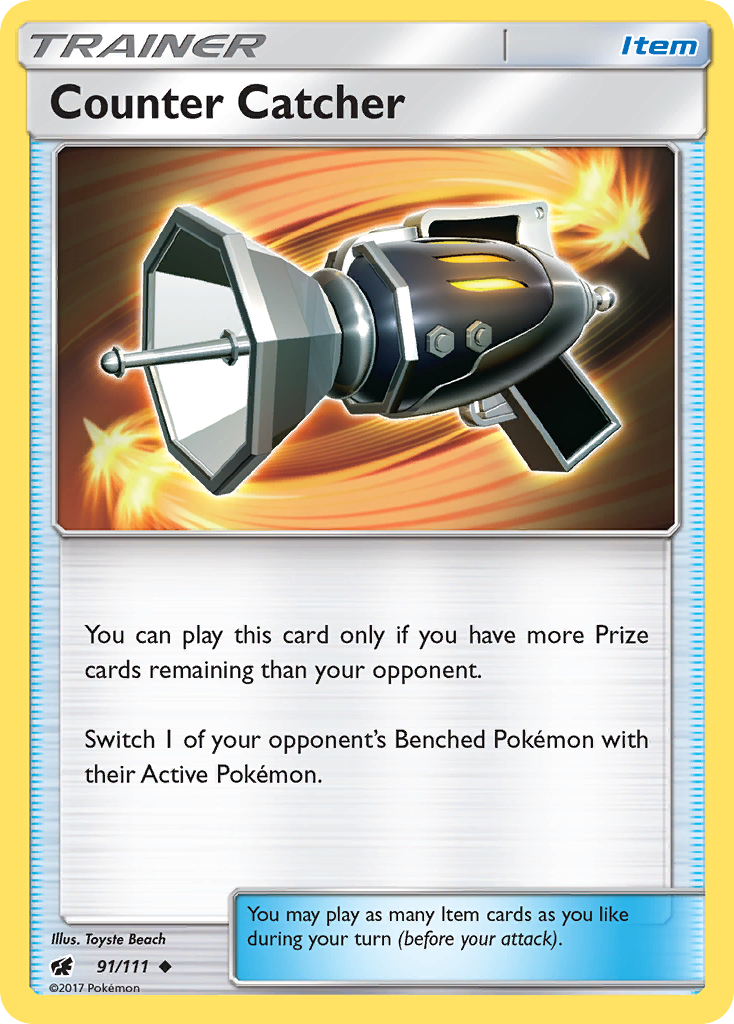
Prize trade plan: every Pokémon in this deck is an ex, so you concede 2 prizes per knockout — the plan is to simply hit harder and faster than the opponent can keep up, using Mega Hawlucha ex's coin-flip survival (Tenacious Body) to stay alive through a lethal hit and swing back, and Mega Kangaskhan ex's Run Errand ability to refuel your hand every turn it's active. Boss's Orders [Corbeau] and Counter Catcher let you drag up a weak benched Pokémon for an easy knockout when you need to close out the game. Because every attacker is a Basic, there is no Stage 1/2 tax and no dead evolution cards to draw into — just keep energy flowing and keep the Stadium online.
Note: 943 cards in your collection have no attack text on file, so some Fighting-type basics that might have slotted in better than Regirock could not be evaluated and were left out rather than guessed at.
Deck check: 60 cards · 16 Basics (mulligan 10%) · 22 draw/search trainers (in 97% of opening hands) · 12 energy vs avg attack cost 3.4
Left out on request, being in your built decks with no spare copies: Nest Ball, Mega Signal, Mega Gengar ex, Iono, Pecharunt, Firebreather, Master Ball, Oricorio ex and 2 more.
Deck stats16 Pokémon · 32 Trainer · 12 Energy
Card types
All 60 cards by type
- Pokémon16 27%
- Trainer32 53%
- Energy12 20%
16 Pokémon cards
- Basic16
- Stage 10
- Stage 20
Each Pokémon by its type
- Fighting12
- Colorless4
32 Trainer cards by kind
- Supporter18
- Item7
- Tool3
- Stadium4
12 Energy cards
- Basic12
- Special0
Deck insights2 of 5 in range
What the list is built to do
Mega Zygarde ex leads the attack; 26 draw and search Trainers keep it going.
Sweet spots
How many of each job a deck usually runs, and where this list sits
- Playable from hand16 / 8–16In range023
- Plenty of draw26 / 8–16High027
- More than needed6 / 2–4High07
- Pays for the attacks12 / 8–14In range020
- Nothing comes back0 / 1–3Low05
What each Knock Out costs you, and what hits back
- Mega Zygarde ex200 for 3 Energy67/E
- Mega Kangaskhan ex200+ for 3 Energy67/E
- Mega Hawlucha ex120+ for 3 Energy40/E
- Fighting52 asked · 12 in deckEnough
844
Opening hands
2,000 seven-card hands dealt
How these are worked out
The labels. Each card in the catalogue carries what it does — ramp, draw, removal, sweeper, protection, tutor, win condition; for Pokémon, draw, search, switch, recovery — set by the catalogue's sweep and corrected by moderators. The counts here are those labels added up over the deck. A card with no label yet counts for nothing, and the panel says how many there are.
Sweet spots. The usual count of each job for a deck of this kind. In range is a guide, not a rule — a deck built around one plan can sit outside a band on purpose.
Game plan. Stax when eight or more cards tax or lock; combo when the list holds a known combo or four tutors with finishers; control when answers and sweepers reach sixteen with the draw to find them; aggro under a 2.8 average cost with twenty creatures; midrange otherwise.
Opening hands. The deck is shuffled and dealt 2,000 times, and each figure is the share of those hands that had the thing. The same shuffle order every time, so the numbers stay put between visits; they move when the list does.
TCGdeck scans your Pokémon and Magic cards from a photo, builds decks from your collection and tells you how good they are: power, weak spots and opening hands.
Start freeSomething wrong with this deck or its name? Report it.